

Understanding what an expert witness is helps clarify their critical function in legal proceedings. The main challenge is that many confuse expert witnesses with fact or lay witnesses; recognizing their specific qualifications and role is essential for effective legal strategy.
This article explores the core traits, duties, and types of expert witnesses. Readers will gain clarity on how expert testimony drives litigation outcomes. Capital Expert Services connects law firms and organizations with credible expert witnesses for complex matters requiring trusted analysis and testimony.
Key Takeaways
- Expert witnesses provide opinions based on specialized knowledge.
- Their testimony helps courts understand technical evidence.
- Qualifications depend on expertise, credentials, and legal standards.
- Duties include objectivity, report preparation, and confidential conduct.
- Expert requirements vary by jurisdiction and case type.
Overview and Definition
Expert witnesses play a foundational role in court by offering their specialized knowledge to clarify complex issues. Their contributions support judges and juries in making sense of evidence that extends beyond ordinary understanding. This section defines expert witnesses and explains how they differ from other courtroom participants.
What is an expert witness and what makes them different from other witnesses?
An expert witness is a qualified professional who provides opinion evidence based on specialized knowledge rather than firsthand observation. Fact and lay witnesses can only testify to events they’ve personally seen or experienced, while expert witnesses interpret and explain technical or scientific findings. The unique value of expert witnesses lies in their impartial analysis and ability to help courts evaluate specialized evidence in legal contexts.
What is considered expertise in the context of expert evidence?
Courts generally define expertise as advanced knowledge, skill, or experience in a particular field that exceeds what is expected of a layperson. Common criteria include academic qualifications, hands-on professional experience, research accomplishments, and participation in industry associations. According to a 2024 American Bar Association report, courts typically look for a demonstrated track record and recognition among peers when evaluating expertise for testimony.
Role, Duties, and Qualifications
Expert witnesses shoulder both technical and ethical responsibilities when providing their opinion in court. This section details their primary roles, duties, and the qualifications required to serve as an expert witness.
What is the role of an expert witness in court?
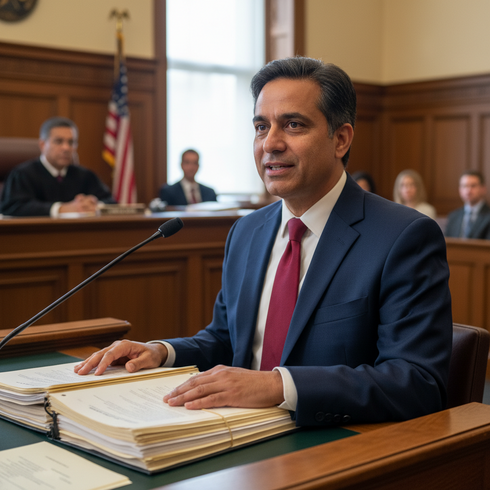
Expert witnesses serve to bridge the gap between complex subject matter and lay understanding in the courtroom. Their opinions assist judges and juries in interpreting technical, medical, economic, or scientific data, making such information accessible and applicable to the legal questions at hand. By providing clear explanations and substantiated opinions, expert witnesses often shape the outcome of high-stakes disputes.
What are the main duties and ethical responsibilities of an expert witness?
Expert witnesses are bound by strict standards regarding impartiality, thoroughness, and professionalism. They must remain objective, base their opinions solely on evidence, and avoid advocacy for either party. Written expert reports must be clear, detailed, and reflect only facts and informed opinions relevant to their expertise—ensuring communication is precise and trustworthy. Courts typically require experts to comply with ethical codes relating to confidentiality and honesty throughout their engagement.
Who can serve as an expert witness, and does one need credentials or accreditation?
Anyone with sufficient expertise in a relevant domain may serve as an expert witness, provided they can show the required depth of knowledge, skill, or experience. While formal qualifications are often reviewed, no universal accreditation is mandated—eligibility depends on meeting jurisdictional standards and the specifics of the case. For a more detailed explanation of what makes someone eligible, including required education and experience, see our discussion on how to qualify an expert witness. According to a 2024 American Bar Association report, judges typically scrutinize a combination of credentials, published work, and courtroom experience when determining who qualifies as an expert witness.
Key duties, responsibilities, and functions at a glance
Expert witnesses are expected to uphold the highest level of professional and ethical conduct in court and during preparation. Below are the primary roles and required behaviors:
- Remain objective and independent, serving the court rather than any party
- Prepare and submit detailed written expert reports as instructed
- Testify under oath within the limits of the individual’s specialized knowledge
- Maintain confidentiality and adhere to ethical obligations
- Understand and meet admissibility standards (such as Daubert or Frye) to ensure testimony is permitted

According to a 2023 publication by the National Institute of Justice, expert witness duties often extend beyond testimony, including pretrial consultations and evidence review.
Types, Testimony, and Jurisdictional Differences
Expert witnesses fall into various categories based on their specialization and professional background. This section examines the most common types, how expert testimony is used, and key regulatory differences between jurisdictions.
What types of expert witnesses exist, and which cases require them?
Numerous fields rely on expert witness testimony, including medicine, engineering, finance, computer science, forensics, psychology, and construction. Both professional experts (such as forensic accountants) and judicial experts (appointed by the court) can serve in litigation. The prevalence of expert testimony is particularly high in financial dispute cases, where platforms like Westlaw and LexisNexis are often used to identify appropriate experts. According to a 2023 National Institute of Justice publication, over 85% of complex civil trials and 70% of major criminal cases utilize expert witnesses for technical matters.
How is expert witness testimony used, and what legal status does it have?
Expert witness testimony is admitted to clarify issues requiring specialized knowledge and to offer informed opinions on disputed facts. Before presenting expert evidence, parties must satisfy standards for admissibility, such as the Daubert or Frye tests, which evaluate the reliability and relevance of the methodology used. Testimony may be challenged for bias, faulty reasoning, or inadequate qualifications, but when accepted, holds significant weight for court decisions.
How do requirements for expert witnesses differ by jurisdiction?
Jurisdictions vary in their requirements for appointing and regulating expert witnesses. For instance, courts in the U.S. often apply the Daubert or Frye standards for admissibility and emphasize judicial discretion in qualifying experts. In the U.K., the court itself may appoint judicial experts and hold stricter rules governing neutrality. Some countries require court registration or regulatory oversight, while others focus solely on the relevance and credentials of the individual expert.
Common issues and controversies surrounding expert witness testimony
Expert witness testimony can spark disputes over perceived bias, challenges to admissibility, and debates about appropriate compensation. Allegations of partisanship may undermine credibility, leading courts to scrutinize an expert’s independence and methodology. Compensation is a frequent area of debate for expert witnesses. For more details on fee arrangements and industry norms, refer to our resource on expert witness fees and payment structure. Fee structures, potential conflicts of interest, and the evolving standards for scientific evidence continue to generate legal and ethical controversies.
Conclusion
Understanding expert witnesses—how they’re selected, what they do, and their proper role in court—empowers legal teams to use their insight more effectively. Whether clarifying complex facts or establishing crucial evidence, credible experts are central to courtroom strategy. Explore more with Capital Expert Services to strengthen your litigation approach.
Frequently Asked Questions
What is the difference between expert, fact, and lay witnesses?
Expert witnesses provide opinion testimony based on specialized knowledge or experience, allowing them to help the court understand matters beyond an ordinary person’s comprehension. Fact and lay witnesses are limited to describing what they have directly observed, without offering interpretation or professional judgments.
How do courts determine if someone is qualified as an expert witness?
Courts qualify expert witnesses based on their education, professional credentials, work experience, and the direct relevance of their expertise to the case. The judge assesses whether the expert’s background matches the technical issues involved before permitting testimony.
Do expert witnesses have immunity from lawsuits over their testimony?
In many jurisdictions, expert witnesses enjoy limited immunity from civil suits arising from their court testimony. This protection is intended to uphold objectivity and encourage honest opinion, though it may not shield against willful misconduct or perjury.
Are expert witnesses only used in criminal trials?
Expert witnesses are frequently engaged in criminal, civil, family, and administrative proceedings. Their ability to clarify technical matters has wide application beyond strictly criminal or forensic contexts.
How do expert reports influence court proceedings?
A well-prepared expert report is often pivotal in litigation, providing detailed analysis and opinions that shape both settlement discussions and trial strategy. These reports guide legal arguments and can prompt earlier resolution of disputes.
Expert witnesses provide impartial, technical opinions essential to resolving complex legal disputes. Their qualifications, responsibilities, and testimony are central to fair proceedings and valuable across case types. Requirements and controversy vary by jurisdiction, but their integrity and independent analysis remain critical. For litigation support and expert connections, Capital Expert Services is a trusted resource.