


Aspiring forensic handwriting experts blend education, specialized training, and certification for credible careers in validating documents. While most guides focus on step-by-step pathways and repeated certification, nuanced distinctions about skill-building, top programs, and live case experience remain missing.
This article covers each phase with clarity. Readers will find precise steps for education, experience, and certification needed to practice as a forensic handwriting expert. Capital Expert Services offers additional support and industry expertise for those pursuing this rewarding career path.
Key Takeaways
- Becoming a forensic handwriting expert requires both formal education and hands-on analysis.
- Certification from respected organizations is a key career milestone.
- Ongoing learning and ethics are central to professional credibility.
- Handwriting experts play a vital role in legal, corporate, and investigative settings.
- Job demand is steady with opportunities for specialization and advancement.
Understanding Forensic Handwriting Experts and Their Role
Forensic handwriting experts validate and examine the authenticity of written documents, signatures, and handwriting as part of legal and investigative processes. These professionals use analytical techniques to determine authorship, uncover forgery, and support the resolution of disputes in both public and private sectors.
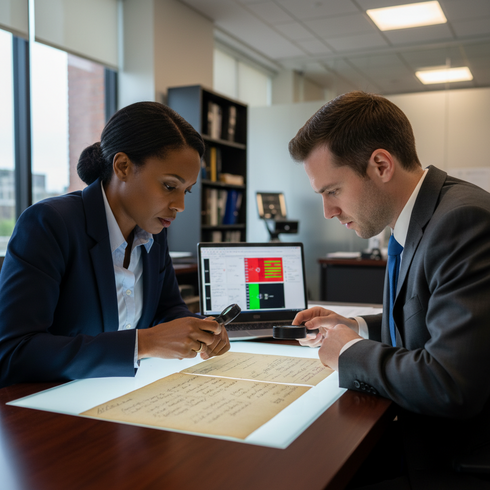
What is a forensic handwriting expert, and what do they do?
A forensic handwriting expert applies detailed knowledge of writing techniques, document materials, and comparison analysis to verify or refute the legitimacy of handwritten evidence. Such experts analyze signatures, wills, contracts, and questioned documents, often in cases of suspected fraud or legal conflict. In some cases, professionals hold dual expertise as a forensic document examiner, conducting a wider range of forgery and document authentication tasks in legal and investigative settings.
What does a handwriting analyst do on a typical day?
Handwriting analysts spend the majority of each day scrutinizing physical and digital documents, using magnification tools and forensic software such as VSC Suite. Typical tasks include collecting and cataloging evidence, photographing exhibits, preparing written reports for legal teams, and providing expert consultation. Analysts regularly collaborate with attorneys and investigators to clarify findings and may present expert testimony in court proceedings.
What knowledge and skills are required for this career?
Foundational skills essential for handwriting experts include deep familiarity with various inks, paper types, and writing instruments, as well as proficiency in using high-resolution microscopes and digital comparison programs such as DocuCompare. Knowledge of legal standards for evidence and strong report-writing abilities underpin credibility in the courtroom and investigative settings.
How do professional ethics come into play?
Professional ethics form the core of forensic document examination. Experts must adhere to impartiality, rigorous documentation practices, and confidentiality standards to ensure objective, court-admissible findings. Many professional organizations require adherence to established codes of conduct to safeguard public trust and avoid conflicts of interest.
Steps to Becoming a Forensic Handwriting Expert
Pursuing a career as a forensic handwriting expert involves targeted education, focused practical experience, and certification through recognized bodies. Each stage is designed to build the hands-on and analytical skills necessary for investigative and legal work.
What education requirements and programs are recommended?
Entry into the field typically requires a bachelor’s degree in forensic science, criminal justice, or a related discipline. Specialized coursework in handwriting analysis, forensic document examination, and criminalistics—often found at institutions like the International School of Forensic Document Examination—provides advanced skills. Graduate-level programs and continuing education courses from accredited platforms reinforce both theory and practice.

How much practical experience is needed?
Building expertise entails structured hands-on analysis under supervision. Aspiring analysts generally secure internships, mentorships with established examiners, or roles in crime laboratories to fulfill experience requirements before independent casework. According to a 2024 ASCLD report, supervised analysis is crucial for skill-building and prepares candidates for complex document examinations required in professional practice.
What are the key certification steps and organizations?
A coherent certification journey begins with formal education, followed by an application to a recognized certification body. The process routinely includes:
Those entering the profession should expect to meet these certification milestones:
- Completion of minimum education and casework requirements
- Submission of application and proof of experience
- Passing a comprehensive written and practical examination
- Adherence to a professional code of ethics
- Periodic renewal and continuing education
Notable certifying bodies include the American Board of Forensic Document Examiners (ABFDE), the International School of Forensic Document Examination, and the American Handwriting Analysis Foundation (AHAF).
What additional resources or tools support ongoing learning?
Ongoing development is facilitated by a range of contemporary analysis tools and peer resources. Robust online communities, software like FISH (Forensic Information System for Handwriting), virtual workshops, and access to professional organizations help experts stay current. Participation in conferences, online seminars, and mentorship programs is critical for practical skill refinement and career networking.
Salary, Job Outlook, and Career Opportunities
A detailed understanding of compensation, professional demand, and sector-specific opportunities provides a realistic view of the handwriting analyst field. Both full-time roles and consulting positions are available, with evolving trends reflected by recent industry data.
What is the current salary and employment outlook for handwriting experts?
Industry surveys reflect that forensic handwriting analyst salary levels tend to align with forensic science technician salaries, with variation based on experience and sector. According to a 2023 Bureau of Labor Statistics report, job growth for forensic science technicians—including handwriting experts—is projected at 11% from 2022 to 2032, indicating healthy demand in legal and law enforcement spheres. For those interested in in-depth earnings insights, our comprehensive analysis on handwriting expert salary offers a breakdown of factors that influence compensation, trends in the industry, and typical ranges by experience level.
What career paths and job opportunities exist in handwriting analysis?
Handwriting analysts secure positions in law enforcement agencies, private consulting firms, and legal services. Many develop expertise as expert witnesses, while others specialize in areas such as corporate document fraud or historical authentication. Senior examiners may advance into supervisory or training roles within public or private institutions.
How long does it take to become certified, and what is involved in renewal?
The standard path to full certification as a forensic handwriting expert—including education, experience, and examination—typically takes three to five years. Renewal demands continued learning, documented casework, and, in some cases, additional testing or ongoing membership in a certifying body.
What are the benefits and challenges of this profession?
Handwriting analysis provides engaging work with legal significance, professional autonomy, and opportunities for specialization. The field’s challenges include the pressure of court testimony, the need for impartiality, and the responsibility to maintain strict ethical standards amid complex, sometimes contentious, disputes.
Frequently Asked Questions
What are the best introductory courses for beginners in handwriting analysis?
Most leading programs offer core modules in handwriting identification, signature comparison, and forgery detection. These introductory courses are widely available at accredited universities and through the International School of Forensic Document Examination’s online curriculum.
Are there mentorship programs for aspiring handwriting experts?
Mentorship is a cornerstone of advanced training. Institutions such as the International School of Forensic Document Examination routinely match novices with certified examiners, offering structured casework and practical insights.
How important is computer-based analysis for modern handwriting experts?
Digital analysis tools are critical for modern examiners. The use of specialized software streamlines document comparison and enhances the precision of expert findings in investigative and legal contexts.
Can forensic handwriting experts specialize in a particular field?
Many handwriting analysts carve out niches in specific domains. Popular options include historical manuscript authentication, financial fraud investigation, and high-profile expert witness roles.
Is international certification necessary to practice in more than one country?
While local certifications may be sufficient for many jurisdictions, international credentials enhance professional mobility and credibility, making cross-border practice more feasible for forensic handwriting experts.
Forensic handwriting analysis requires formal education, supervised practical experience, and certification to establish credibility and open doors to employment in legal and investigative sectors. Key skills include familiarity with analysis software, adherence to ethics, and continual professional development. Many experts work in both public and private sectors, often testifying in court or providing specialized consulting. Certification typically takes several years of study and documented practice. For tailored guidance and industry insight, Capital Expert Services supports professionals aiming to advance in forensic handwriting analysis.