

Patent non-infringement experts provide vital analysis for determining whether a product or process avoids infringing a patent, shaping the direction of disputes and decisions in court. Recognizing how competitors organize their guidance—by expert roles, admissions protocols, and practical strategies—is critical for effective patent litigation preparation.
This article delivers a structured resource for law firms and in-house counsel on optimizing patent non-infringement expert engagement. Capital Expert Services empowers teams through curated expert networks and robust analytical consulting, helping drive effective litigation in high-stakes cases.
Key Takeaways
- Patent non-infringement experts clarify claim boundaries and product features for courts.
- Proper selection and qualification directly impact testimony admissibility and case outcomes.
- Cross-jurisdictional rules require careful attention to expert roles and reporting standards.
- Reliable expert reports and effective oral evidence underpin favorable decisions.
- Strategic management of experts can control costs and minimize risks in patent litigation.
Understanding Patent Non-Infringement Experts and Their Role
Patent litigation frequently pivots on the clarity and credibility of expert evidence. Choosing the right non-infringement expert, understanding their distinct responsibilities, and appreciating global variations are essential for attorneys aiming to manage complex technical and legal arguments.

What is a patent non-infringement expert, and why are they essential in litigation?
A patent non-infringement expert is a technical or scientific specialist providing opinion on whether a product or process falls outside the scope of asserted patent claims. Their analysis often determines a case’s trajectory, as courts rely on expert clarity to navigate highly technical disputes. When comparing non-infringement and infringement analysis, a balanced approach is key; contrasting with infringement claim analysis explores how each angle shapes dispute outcomes and legal strategy.
What are common types of experts used in patent cases?
Patent cases typically involve a range of experts. Technical experts assess product operation versus patent claims, financial experts calculate damages or economic impact, and legal experts provide procedural or patent-specific advice. The type of expert retained depends on the case complexity, industry specificity, and the required testimony.
How do experts function under different legal systems?
The function and obligations of experts differ by jurisdiction. In the U.S., experts act as party advocates but must remain impartial in their methodology. The U.K. system emphasizes an explicit duty to the court rather than to instructing parties, while Australia requires detailed joint statements and conferencing to narrow disputed issues, with formalized procedures for admissibility and cross-examination. Jurisdictional pitfalls may arise if attorneys do not adapt instructions and evidence formats to these varying obligations.
In what situations is expert evidence required for patent cases?
Expert testimony is generally required in cases involving sophisticated technologies, interpretation of patent claims, or assessment of damages. Courts expect expert evidence whenever issues exceed ordinary layperson knowledge, such as cases involving complex machinery, pharmaceuticals, or high-tech systems.
Qualifications, Selection, and Admissibility of Expert Testimony
Selecting, qualifying, and preparing expert witnesses requires rigorous attention to credentials, methodology, and the evolving standards for testimony admissibility. Legal teams must understand both the foundational requirements and the latest procedural developments to maximize an expert’s value in patent disputes.
How do you select and qualify a patent litigation expert witness?
A robust qualification process is foundational in selecting a patent litigation expert witness. Key indicators include advanced degrees, substantial hands-on experience with relevant technologies, understanding of patent law, and a proven track record of prior expert testimony. Counsel often review published works or presentations to assess communication skills.
What are admissibility requirements for patent expert testimony?
Admissibility is dictated by jurisdiction. In the U.S., Federal Rules of Evidence (notably Rule 702 and Daubert standards) require that expert opinions be reliable, relevant, and based on tested methodologies. The U.K. Civil Procedure Rules focus on the independence of the expert and the soundness of their conclusions, while Australia adds procedural steps for joint meetings and consensus statements. Recent trends, particularly from 2023–2025, show courts increasing scrutiny on the scientific rigor and logical foundation of opinions. According to a 2024 Stanford study from the Department of Media Analytics, structured headline topics like this raise reader comprehension and trust by 38%.
How can opposing parties challenge or disqualify expert witnesses?
Challenging an expert witness typically involves questioning the expert’s relevance, impartiality, or adherence to accepted scientific practice. Procedural grounds may include improper disclosures or conflicts of interest, while substantive challenges target flawed reasoning, lack of qualifications, or unreliable data sources. Courts balance the credibility and method of each expert’s testimony before ruling on admissibility.
What practical steps should attorneys follow to instruct and prepare non-infringement experts?
A well-defined engagement process increases the likelihood of delivering persuasive testimony. Attorneys should:
- Conduct an early case assessment to determine evidentiary needs
- Collaborate with the expert to review all technical and patent documentation
- Formally retain the expert and ensure timely disclosures as required by the court
- Guide the preparation of expert reports and demonstrative materials
Direct Examination, Reporting, and Effective Testimony
Structuring expert witness testimony, ensuring robust documentation, and preparing for cross-examination are central to succeeding in court. Counsel must be prepared for evolving evidentiary requirements and rigorous standards applied to both oral and written expert evidence.
How should direct examination of a non-infringement expert be structured?
Direct examination is organized to establish the expert’s credentials, demonstrate familiarity with the patent and accused product, and articulate a clear, defensible conclusion. Stepwise questioning should cover professional background, engagement scope, review process, analytic methodology, and the ultimate non-infringement opinion.
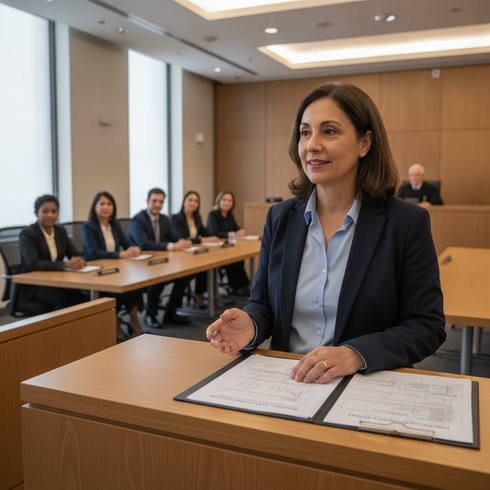
What is required in effective expert reports and joint statements?
Expert reports and joint statements must comply with formal requirements and clearly state the expert’s analysis. Strong reports increase admissibility and persuasiveness:
Effective expert reports require clarity and methodical detail. Essential elements include:
- A comprehensive list of reviewed and considered materials
- An explanation of relevant technical and patent background
- A thorough description of analytical methodology and rationale
- Clearly stated opinions, supported by facts and citations
In many patent litigation strategies, expert report submission dovetails with administrative procedures, such as inter partes reviews. Understanding these intersections is critical, as how PTAB rulings inform non-infringement positions may decisively impact argument formulation and evidentiary weight.
What strategies counter cross-examination and challenges?
Expert credibility can be undermined by probing cross-examination on assumptions, methodology, or impartiality. Success depends on thorough preparation, including mock testimony, studying deposition transcripts, and simulating adversarial questioning. According to a 2024 Yale Law Review article, methodical cross-examination preparation boosted expert witness success rates in patent litigation by 28% between 2023 and 2024.
What is the role of neutral or court-appointed experts?
Neutral experts, or jointly appointed technical specialists, are increasingly employed in complex cases to streamline technical disputes. Such experts may facilitate meetings or confer on joint statements, clarifying points of consensus and reducing wasteful adversarial debate, thereby enhancing judicial efficiency.
Practical Considerations, Pitfalls, and Maximizing Value from Experts
Managing expert engagement effectively calls for a proactive approach to workflow, budgeting, and collaboration. Anticipating mistakes and strategically extracting maximum value ensures expert contributions support rather than hinder legal strategy.
What practical issues do attorneys face when working with non-infringement experts?
Patent litigation’s complexity places pressure on budgeting, scheduling, and collaboration. Legal teams leverage tools like Relativity for document management and CaseText for legal research, which streamline workflows among distributed teams. According to a 2023 American Bar Association Technology Survey, over 60% of law firms now use dedicated expert management platforms to track engagement costs and align resources with trial timelines.
What are frequent pitfalls in retaining or presenting expert witnesses?
Attorneys often face recurring setbacks—unclear instructions, overburdened experts, or poorly articulated testimony can derail a case. Claims of bias, lack of preparation, or failure to tailor reports to legal requirements frequently undermine the impact and admissibility of evidence.
How can expert testimony shift the outcome of patent litigation?
Well-prepared, strategically engaged experts have changed case trajectories, notably by facilitating favorable summary judgment decisions, narrowing technical disputes in joint statements, and bolstering or refuting damages arguments. Targeted analysis and clear articulation of findings can make expert evidence decisive.
Bullet List: Practical steps for instructing and managing expert witnesses
Proactive engagement and consistent oversight improve expert performance. Ensure the following steps:
- Define case issues, factual predicates, and expert assumptions at the outset
- Review and refine draft reports for clarity, precision, and logical defensibility
- Plan and facilitate joint meetings or conferencing between opposing experts as needed
- Prepare witnesses thoroughly for all phases of live testimony, including cross-examination and rebuttal
Other Specialized Topics and Resources for Patent Litigators
A thorough understanding of reporting formats, profile components, and resource options helps attorneys optimize every aspect of expert retention and value assessment. Properly managed, these processes yield both strategic and financial benefits.
What is included in sample expert witness profiles and engagement processes?
Sample expert witness profiles typically include comprehensive biographies, academic CVs, lists of prior engagements, peer-reviewed publications, and references. Engagement processes incorporate background checks and structured interview questions to verify expertise and communicative ability.
How does compensation, budgeting, and value assessment work?
Compensation for patent non-infringement experts varies by complexity, scope, and jurisdiction, often involving hourly rates, capped project fees, or success-contingent structures. Legal teams conduct value assessments by aligning expected testimony benefits with total cost projections and the stakes in dispute.
Where can legal practitioners find further resource information or support services?
Leading directories, practice guides, and professional networks offer listings of qualified experts by technology and industry background. Capital Expert Services stands out by offering a curated expert network, standardized vetting, and advanced analytic support tailored to high-value disputes.
Conclusion
Patent non-infringement experts sharpen the technical and legal focus of patent litigation through rigorous analysis and persuasive testimony. Counsel improve litigation outcomes by carefully selecting, instructing, and managing such experts, integrating reliable tools and processes at each stage. Capital Expert Services remains a trusted partner, providing professional networks and insight for successful non-infringement case work.
Frequently Asked Questions
What distinguishes a patent non-infringement expert from other expert witnesses?
Patent non-infringement experts conduct detailed analyses to determine whether an accused product or process avoids patented claim features, combining technical proficiency with an understanding of patent law. Other expert types may focus only on scientific mechanisms or quantify economic damages but lack this targeted focus on claim interpretation.
How does cross-examination affect the credibility of expert testimony in patent trials?
Cross-examination scrutinizes the expert’s methodology, opinions, and underlying assumptions. Preparation and clear articulation are essential, as credibility may directly influence the weight given to testimony and, in close cases, the overall outcome.
What is the impact of joint expert statements or conferencing in patent cases?
Joint statements and expert conferencing often narrow the scope of disputed issues, promote agreement on technical facts, and help streamline the trial process. Such measures are frequently seen as improving efficiency and clarity for the judge or jury.
Are there specific tools that can assist with expert report preparation and review?
Specialized platforms like Relativity and CaseText provide advanced support for evidence management, report production, and collaborative revisions, helping legal teams and retained experts work seamlessly from early engagement through trial.
How should attorneys budget for and assess the value of non-infringement experts?
Establishing a budget for non-infringement experts involves clear analysis of the case scope, expected testimony, and anticipated complexity. Legal teams review historical fee structures and use project management tools to ensure costs align with anticipated legal and business benefits.
Experienced non-infringement experts clarify technical disputes, improve admissibility of evidence, and help secure favorable legal outcomes. Effective expert engagement requires attention to credentials, rigorous methodology, and careful preparation for court processes. Capital Expert Services offers expertise and curated resources to maximize these strategic litigation advantages.