
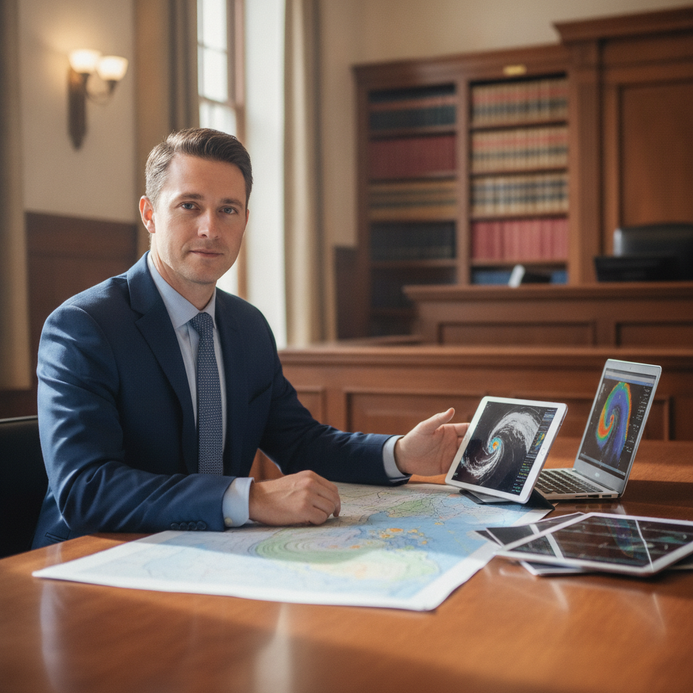
Meteorology expert witnesses provide scientific clarity on weather events in legal disputes. While case literature often covers their function, there is limited coverage on actionable steps, practical case applications, and evolving industry trends.
This article explains the role of meteorology expert witnesses, key qualifications, and how Capital Expert Services applies advanced methodologies. Readers will gain practical strategies and learn how meteorological analysis influences a broad range of legal matters.
Key Takeaways
- Meteorology expert witnesses clarify weather-related facts in litigation
- Rigorous data analysis supports liability and causation findings
- Credentials and court experience are essential for credible testimony
- Advancing tools and data platforms shape modern expert practices
- Early collaboration and careful expert selection optimize case outcomes
Introduction to Meteorology Expert Witnesses
Meteorology expert witnesses are essential to unraveling complex weather-related facts in litigation settings. Their insights help legal teams understand and contextualize atmospheric data, providing objective analysis on weather conditions that may influence case decisions. In today’s legal environment, weather evidence often proves decisive, requiring specialized expertise that is clear, defensible, and tailored to the demands of the courtroom.
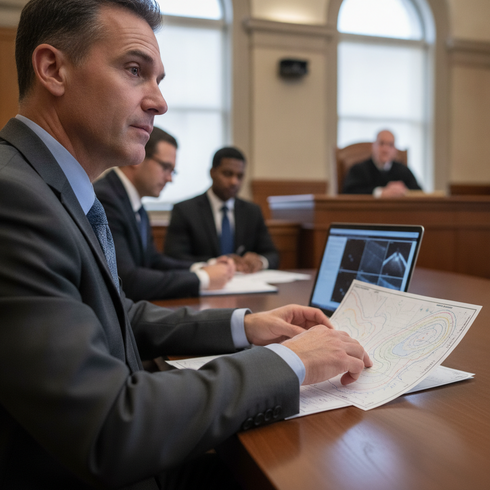
What does a meteorology expert witness do?
A meteorology expert witness provides scientific analysis of weather conditions relevant to specific legal matters. Their main tasks include reviewing data from sources like NOAA and local weather stations, reconstructing events, preparing written reports, and presenting testimony to clarify technical aspects for the court. Experts may also evaluate data quality and offer independent opinions based on industry standards.
Why is meteorological expertise important in litigation?
Expert meteorological analysis helps clarify liability and causation in legal disputes by providing objective, science-based interpretations of weather data. Detailed modeling and event reconstruction can show whether weather contributed to an incident, offering transparency when facts are contested and enabling informed decision-making.
How does meteorology impact the outcome of industry-related cases?
Meteorological evidence significantly influences outcomes in industries such as insurance, transportation, construction, and environmental compliance. In these settings, expert witnesses evaluate weather’s effect on liability, risk, and damages, often tipping the balance of a case when facts around events like floods, storms, or temperature extremes are disputed.
Key Qualities and Benefits of a Meteorology Expert Witness
A well-chosen meteorology expert witness strengthens legal arguments by combining rigorous scientific methods with experience in courtroom communication. Understanding the credentials and tools that define top experts is essential for legal teams seeking reliable, impartial analysis.
What qualifications define a reputable meteorology expert witness?
Qualifications that define a reputable expert include advanced academic training in meteorology or atmospheric science, certification from recognized professional organizations, and a proven record of forensic consulting. Demonstrated ability to deliver clear, credible testimony and well-documented reports is equally critical.
What are the advantages and disadvantages of relying on meteorology expert testimony?
Working with a meteorology expert witness offers substantial benefits and some potential drawbacks:
A skilled expert can bolster a case through impartial data interpretation, but legal teams need to understand both the strengths and limitations of expert involvement.
- Strengthens case credibility with unbiased analysis
- Clarifies technical weather factors affecting liability
- Enhances discovery by identifying overlooked meteorological details
- May face credibility challenges if data is ambiguous
- Can incur significant costs, especially for complex modeling
How do real-world tools and methodologies ensure accurate testimony?
Accurate testimony depends on using robust platforms like ArcGIS for geospatial analysis and NOAA weather databases for reliable historical data. These tools help validate an expert’s conclusions, allowing for detailed event reconstruction and cross-verification. When applied with best practices, such tools contribute to well-substantiated and defensible expert opinions.
- Top Attributes to Look for in a Meteorology Expert Witness:
Selecting a meteorology expert witness should follow clear criteria to ensure reliability: - Advanced academic background in atmospheric science or meteorology
- Proven courtroom experience and report writing skills
- Familiarity with industry-standard modeling tools like ArcGIS
- Strong ethical standards and impartiality
Common Challenges and Solutions in Meteorology Expert Testimony
Despite their critical role, meteorology experts and attorneys often encounter specific challenges in preparing and delivering weather-related evidence. Understanding these obstacles and their solutions enhances testimony effectiveness and strengthens overall legal strategy.
What challenges do meteorology experts face when testifying?
Meteorology experts frequently face challenges from opposing experts who may present conflicting interpretations, or from peer reviews scrutinizing their methods. Experts must anticipate such scrutiny by relying on industry-accepted methodologies, routinely updating their knowledge base, and providing transparent, methodical analysis to address questions raised during cross-examination. According to a 2024 ABA report, technology integration has intensified scrutiny of data sources in expert testimony.
What are common pitfalls for attorneys when working with meteorology experts?
Attorneys risk undermining expert testimony if they overlook data complexity or fail to vet expert credentials. Common pitfalls include relying on models with unvetted assumptions, missing strategic alignment with the expert early in the process, and not confirming the expert’s previous performance under cross-examination.
How can best practices and actionable steps improve outcomes?
Implementing best practices when engaging meteorology expert witnesses can significantly improve case results. Success hinges on thorough due diligence, ongoing attorney-expert communication, and up-to-date knowledge of modeling tools and legal requirements. Attorneys should verify experience, clarify project scope early, and confirm the capabilities of tools used for data analysis to match the case facts and legal objectives.

Common Pitfalls to Avoid When Engaging Meteorology Expert Witnesses
- Underestimating data complexity or relevance to specific case facts
- Failing to vet credentials or assess previous testimony performance
- Overlooking limitations of weather models used in testimony
- Missing early alignment between attorney strategy and expert analysis
What are the latest trends and developments in 2025?
Advancements in data analytics and modeling have elevated the standards for meteorology expert witnesses. Emerging technologies such as AI-powered predictive models and integration of real-time sensor networks enable greater precision in event reconstruction and causation analysis. Legal teams are increasingly expected to understand and adapt to such innovations—according to a 2024 ABA report, the use of advanced modeling platforms has become a differentiator in expert testimony credibility.
Real-World Applications and Case Studies
Examining legal precedents where meteorology expert testimony played a pivotal role clarifies how scientific input has driven settlements and decisions. Real-world examples, combined with research insights, help legal teams and stakeholders recognize where expert evidence proved decisive—and how interdisciplinary collaboration multiplies its value.
How have meteorology experts influenced real legal outcomes?
Meteorology expert witnesses have been instrumental in insurance claims litigation, transportation accident reconstruction, and construction delay disputes. Detailed weather analysis has led to fairer settlements by accurately validating or refuting liability claims based on event timing and severity. These cases demonstrate the value of combining scientific precision with clear communication in the courtroom.
What do experts say about effective testimony and case strategy?
Research in peer-reviewed journals emphasizes thorough preparation and strong methodological transparency as critical to successful expert testimony. In a 2023 study published in the Journal of Forensic Sciences, experts highlighted that clear, focused presentation of weather data enhances probative value and improves outcomes in technically complex disputes.
How is meteorology expertise integrated with other litigation specialties?
Collaboration between different expert witnesses can be vital for comprehensive case evaluation. For instance, integrating meteorology analysis with input from a damages expert witness provides a multi-faceted approach to legal strategy and strengthens evidentiary support.
Frequently Asked Questions
How is meteorological data typically gathered and analyzed for litigation?
Meteorological data for litigation is collected using trusted sources such as NOAA, satellite imagery, and local weather stations. Experts process this data with advanced modeling and visualization platforms to produce clear, case-specific assessments for the legal record.
In which types of disputes are meteorology expert witnesses most commonly used?
Meteorology expert witnesses are engaged in insurance, transportation, construction, and environmental cases where weather directly impacts liability and damages. Their analysis is essential for contextualizing weather’s direct or indirect role in the outcome.
What are the costs associated with hiring a meteorology expert witness?
The costs for hiring a meteorology expert witness depend on the case’s complexity, the expert’s credentials, data requirements, and testimony time. Legal teams can expect fees to reflect the depth of analysis, modeling needs, and preparation for depositions or trial.
Can a meteorology expert witness support both plaintiffs and defendants?
Yes, meteorology expert witnesses provide impartial, scientific support and are routinely engaged by both plaintiffs and defendants. Their independent analysis ensures clarity, regardless of which side requires their expertise in the dispute.
How can attorneys maximize the value of working with a meteorology expert witness?
Attorneys gain maximum value by engaging meteorology experts early, maintaining clear communication, and thoroughly evaluating the expert’s qualifications and analytical tools. Early collaboration allows sufficient time for comprehensive analysis and effective case alignment.
Experienced meteorology expert witnesses clarify causation and liability in litigation, help shape effective legal strategies, and leverage advanced analytics and real-world data platforms for credible testimony. The right expert, early collaboration, and a focus on scientific rigor can tip the balance in weather-related legal claims. Capital Expert Services stands ready to support legal teams with authoritative expertise for complex cases.