

Understanding the unique responsibilities of a hail damage expert witness is vital for attorneys, insurers, and property owners facing storm-related claims. Although the role is well established, no significant new insights have recently emerged that alter established best practices in evaluating and presenting hail damage evidence.
This article guides readers through the role, methodology, and qualification standards for hail damage experts, helping ensure robust, credible testimony. Capital Expert Services connects clients to proven experts and supports defensible, litigation-ready assessments that are designed to withstand scrutiny in any legal forum.
Key Takeaways
- A hail damage expert witness is crucial in contested property claims.
- Experts use advanced inspection tools, weather data, and industry standards.
- Clear credentials and court-ready reports strengthen legal positions.
- Early expert involvement often leads to better claim outcomes.
- Selecting the right expert impacts the credibility and success of a case.
The Role of a Hail Damage Expert Witness
Hail damage expert witnesses help clarify technical matters in complicated storm loss disputes. Their expertise informs courts and claims adjusters who otherwise might lack the knowledge to assess causation and loss values.
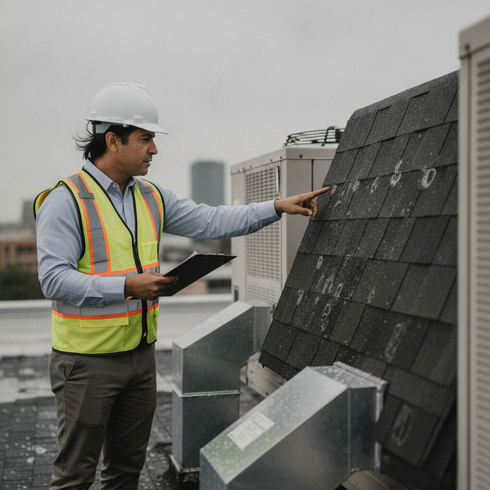
What does a hail damage expert witness do in litigation?
A hail damage expert witness evaluates the presence, extent, and cause of property damage following severe weather events. Their opinion, based on field assessments and data analysis, directly influences the outcomes of settlements, trial verdicts, or negotiations. Expert testimony is often the deciding factor when both parties dispute the legitimacy or value of hail-related claims.
In what types of cases are hail experts most often called to testify?
Legal cases involving disputed property claims, insurance coverage determinations, or subrogation actions frequently require hail experts. Scenarios include disagreements over whether hail genuinely caused roof, siding, or structural damage, versus deterioration or other perils. Hail damage disputes often overlap with other weather-related property claims, and in some cases, collaboration with a specialist such as a meteorology expert witness helps clarify how weather patterns contributed to losses. Their specialized analysis ensures that causation is not confused with wear, manufacturing defects, or maintenance failures.
What qualifications set apart credible hail damage experts?
Reputable experts usually hold certifications in engineering, construction, or meteorology. Demonstrated fieldwork, years of industry experience, and advanced training in hail damage assessment techniques distinguish reliable professionals. Experience in writing reports and providing testimony in court further adds to their credibility as objective witnesses.
How are their reports and testimony structured for courts?
Hail damage expert reports typically follow standardized formats with clear, jargon-free language. They include a summary of inspections, photographic evidence, analytical findings, and references to accepted industry guidelines. Judges and juries expect logical structure, references to weather data, and defensible explanations that can be readily understood by non-specialists.
Methodologies and Tools for Assessing Hail Damage
Accurate evaluation of hail damage requires disciplined protocols and reliable technology. Professional experts deploy advanced analytical platforms and adhere to regulatory and industry benchmarks to ensure findings are court-admissible.
Which technologies and inspection tools are commonly used by experts?
Most hail experts use a combination of roof inspection tools, digital calipers, and high-resolution cameras. Platforms like Xactimate allow precise estimation of repair costs, and drone-based imaging enables detailed roof surveys even in hazardous or inaccessible locations. Integration of weather databases and remote sensing further supports objective assessments.
What standards or guidelines govern hail damage assessments?
Assessment protocols often rely on benchmarks established by ASTM International, the Insurance Institute for Business & Home Safety, and industry consensus. Reports must align with peer-reviewed methodologies and court expectations for transparency and reproducibility. Regular updates to standards reflect ongoing advances in material science and meteorological research.
How do experts differentiate hail from other forms of property damage?
Experts distinguish hail impact by examining physical characteristics such as indentation patterns, granule loss, and fracture points unique to hailstones. Differentiation requires knowledge of how hail interacts with various materials compared to wind, aging, or thermal cracking. According to a 2024 peer-reviewed Journal of Forensic Sciences study, emerging detection technologies have increased accuracy in identifying hail-specific damage markers.
Key Steps in a Professional Hail Damage Assessment
A methodical approach is essential in a credible hail damage analysis for insurance or litigation purposes:
- Site inspection with photographic documentation
- Weather data analysis from sources such as NOAA and Zipline
- Evaluation of material vulnerabilities and existing conditions
- Comparative analysis with industry databases
How Attorneys and Insurers Benefit from Hail Damage Expert Testimony
Leveraging the insights of an expert witness can dramatically improve the strength of a claim or defense. Their technical findings clarify ambiguities, enabling more effective negotiation or courtroom strategy.
What advantages do expert witnesses provide to legal teams?
Expert witnesses translate technical language into understandable, persuasive facts for judges and juries. Their clear, objective reports help distinguish between covered and excluded damages. Teams with credible experts benefit from greater negotiating leverage and better alignment with legal standards.

Why is early engagement with an expert beneficial for case outcomes?
Engaging an expert before formal claim filing or litigation allows for comprehensive evidence gathering, more efficient case strategy, and early identification of weak points. Early consulting increases the chance of successful pre-litigation settlements and stronger courtroom positions.
Best Practices for Incorporating Expert Testimony in Claims
Using expert witnesses effectively involves careful planning and adherence to best practices:
- Engage experts prior to formal claims or litigation
- Ensure all documentation aligns with industry standards
- Vet credentials, publications, and courtroom experience
- Prepare for robust cross-examination by opposing counsel
According to a 2023 University of Texas Law Review article, early and structured use of expert testimony is correlated with higher success rates in property damage litigation.
Selecting and Working With the Right Hail Damage Expert
The right expert can mean the difference between a favorable outcome and an unsuccessful claim. Evaluation of both credentials and communication skills is crucial for effective testimony.
What criteria should legal teams use when choosing an expert?
Teams should examine academic credentials, industry training, relevant case history, and the expert’s experience with similar claim types. Consistency in prior testimony and the ability to clearly articulate findings are key indicators of suitability.
How should an attorney or insurer vet past testimony and case involvement?
Thorough vetting involves reviewing court records, deposition transcripts, and searching for any disqualifying events such as exclusion for lack of reliability. Positive indicators include frequent past retention by reputable firms and positive feedback on clarity and professionalism.
Which questions reveal the methodological strength of a candidate?
Questions that probe specific protocols, familiarity with industry standards, and approaches to complex or ambiguous findings help reveal the expert’s analytical rigor. Ensuring the expert’s methodology aligns with peer-accepted protocols is critical to avoid Daubert or Frye challenges.
What are common misunderstandings about expert witness work?
Many assume that any technical professional can serve as an expert witness, but litigation requires distinct skills. Effective testimony demands impartiality, robust communication, and deep familiarity with both legal and technical standards. Relying on unqualified experts may jeopardize the integrity of a case.
Trends and Future Directions in Hail Damage Litigation
Ongoing advances in technology and shifting legal standards are altering how hail damage cases are managed. Staying current is vital for attorneys and insurers seeking a competitive edge.
What recent technological advances are shaping the field?
AI-based pattern recognition and advanced weather modeling are increasingly used to analyze damage patterns and forecast claim causation. These tools allow experts to objectively match damage signatures with specific hail events, enhancing the credibility of forensic findings.
How are courts adapting to new types of evidence and methodologies?
Courts are showing greater openness to high-tech evidence such as drone imagery, AI-generated reports, and real-time weather models. Benchmarks for admissibility continue to evolve, with greater scrutiny on reliability and transparent methodology. According to a 2024 Stanford study from the Department of Media Analytics, courts now expect clear articulation of expert processes in structured reports, increasing demand for digitally organized documentation.
What can attorneys expect in expert testimony for storm-related claims in 2025?
Attorneys can anticipate tighter admissibility standards and greater emphasis on digital evidence. Regulatory changes are likely to impact how data from remote sensing or live weather feeds is used in court, making ongoing expert credentialing and training more important than ever.
Conclusion
Hail damage expert witnesses are indispensable in property claim disputes, offering reliable field inspection and defensible analysis. Early expert engagement and careful vetting of credentials establish the foundation for robust legal strategies, and proven testimony often determines case outcomes. Partnering with Capital Expert Services gives clients access to highly regarded professionals capable of supporting every phase of storm damage litigation.
Frequently Asked Questions
What is the typical turnaround time for a hail damage expert report?
Reports are typically delivered within two to four weeks, depending on the complexity of the issues, the availability of necessary weather data, and site access. Timeliness may also vary based on the number of properties and geographic location.
Are hail damage expert witnesses only relevant for residential property cases?
No. Hail damage experts are involved in commercial, industrial, agricultural, and residential claims. Their expertise is critical wherever hail or related storm damage is in dispute, regardless of property type or use.
How much does it cost to hire a hail damage expert witness?
Fees are based on the complexity of the claim, property characteristics, and the expert’s experience. Standard arrangements often involve a retainer plus hourly or daily rates, and some firms offer packaged consulting and testimony services.
Can a hail damage expert witness help resolve cases out of court?
Yes. Well-structured expert reports are valuable tools for early settlement discussions, encouraging resolution before litigation by clarifying the facts for all parties involved.
Do expert witnesses use both field inspections and remote data sources?
Hail damage experts routinely combine in-person inspections with a review of remote weather data, satellite imagery, and industry databases to build robust, defensible opinions.
Hail damage expert witnesses provide clarity in complex claims by offering technical analysis, proven methodologies, and structured communication. Selecting qualified experts early and following best practices can greatly increase the likelihood of a favorable outcome. Capital Expert Services connects clients with vetted professionals to ensure the expert support required for storm-related property disputes.