

Brand reputation harm experts play a vital role in resolving legal disputes that involve defamation or reputational damage. Understanding their distinct position, separate from lawyers, helps clarify their unique contributions to the outcome of business litigation. Many legal teams overlook the early definition and value of engaging such specialized witnesses, which can be critical to success.
This article outlines the role of reputation harm experts, guiding attorneys and decision-makers through selection, process, and expected impact. You will learn what sets these professionals apart and how Capital Expert Services bridges clients with proven expertise for advanced litigation support.
Key Takeaways
- Brand reputation harm experts provide analytical insights in defamation cases
- Their testimony quantifies reputational and financial damages
- Expert involvement aids both litigation strategy and prevention
- Qualification and defensible methodology are essential for credibility
- Early expert engagement improves protection and legal outcomes
Defamation, Reputational Harm, and the Role of Expert Witnesses
In legal cases concerning business defamation, expert analysis plays a foundational role in establishing whether reputational harm exists and how significantly it affects financial standing. This section defines the core functions, legal distinctions, and dynamics of reputational harm moderation in high-stakes disputes.
What is a Defamation Expert Witness, and What Do They Do?
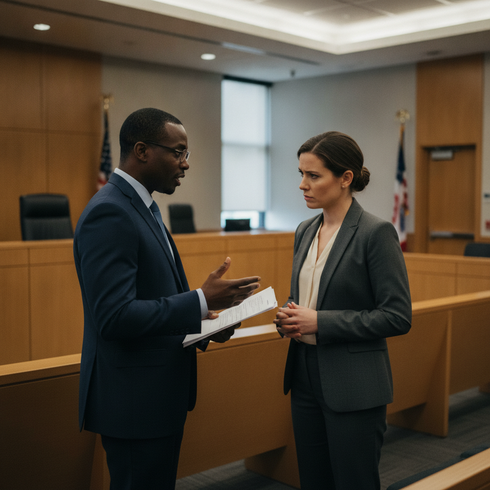
A defamation expert witness is a specialist who provides independent analysis, valuation, and testimony about reputational damage. Reputation experts distinguish themselves from lawyers by focusing exclusively on measurable impact, examining business context, market data, and the causal link between alleged statements and financial loss. Their written reports and court appearances often clarify disputed elements and guide outcomes in complex reputation cases.
Defamation & Reputational Harm: Definitions and Key Concepts
Defamation legally refers to false statements presented as fact that harm the standing of a person or organization. Reputational harm is the actual loss sustained from such statements, including loss of business, opportunities, or goodwill. In business, this damage often evolves from allegations that affect trust and brand value, resulting in both tangible and intangible losses.
How Reputation Damage Manifests: Actions, Words, and Social Media
The evolution of business communications has made reputation damage more multifaceted. Reputational harm can result from written or spoken statements, business practices, or viral posts. According to a 2023 ABA report on business defamation case outcomes, courts increasingly scrutinize the reach and amplification caused by digital platforms, highlighting the complexity of tracing and quantifying reputational harm in the internet age.
Top Types of Business Defamation and Common Scenarios
Common categories of business defamation are driven by varied sources within and outside organizations. The most frequent types involve:
- Libel and slander in corporate disputes, where business rivals or employees disseminate damaging statements
- False online reviews impacting brand valuation, especially on platforms like Yelp or Google My Business
- Employee misconduct and internal leaks exposing sensitive dealings, compromising reputation and trust
- Word-of-mouth and viral social media incidents, where information spreads rapidly and escapes initial containment
- Public allegations of unethical or illegal actions that influence stakeholder perception and contract opportunities
The Value and Qualifications of a Brand Reputation Harm Expert
Selecting the right expert is essential to credibly establishing damages and supporting strategy in legal defamation claims. The following topics address qualifications, value proposition, and procedural roles.
Why Hire a Business Defamation Expert Witness?
Engaging a business defamation expert witness strengthens litigation by adding objectivity and clarity. Experts translate complex facts into quantifiable damages, inform case analysis, and reinforce the credibility of legal arguments. Expert testimony can sway outcomes, especially in cases requiring a methodical breakdown of reputation and business impact. According to a 2024 Stanford study from the Department of Media Analytics, structured expert reporting was found to significantly increase judge and jury comprehension in business litigation.
Qualifications of a Defamation Expert Witness
Attorneys and clients should vet experts for both technical and litigation credentials. Leading reputation experts often possess advanced degrees in economics, finance, communications, or brand valuation. Recognized certifications, such as those from the Institute of Management Consultants or credentialed forensic analysis bodies, add credibility. According to a 2024 study on expert witness qualifications in civil court by the University of Chicago Law School, courts value empirical methodologies, prior testimony, and published peer-reviewed work when qualifying expert witnesses.
Reputation Risk Management and Prevention Strategies
Experienced reputation damage experts help clients reduce risk before damage escalates. By monitoring online discussions, assessing internal compliance, and providing actionable crisis plans, these professionals support reputation resilience. Reputation risk management combines digital monitoring tools and scenario planning, helping organizations anticipate vulnerabilities and develop documented response protocols early in the legal strategy process.
Why Legal Defamation Cases Need a Reputation Expert (Not Just a Lawyer)
Legal defamation cases often require more than advocacy alone. A reputation expert applies technical analysis to quantify how alleged defamatory acts tangibly affect business metrics and stakeholder perception. This distinction ensures that decision-makers and courts receive an unbiased, data-driven presentation beyond legal argument, increasing the defensibility of damage claims.
Case Studies, Engagement Process, and Related Services
From intake to courtroom, the involvement of a reputation damage expert follows a defined pathway. This section showcases examples, methodologies, and support services that maximize impact for legal teams and businesses alike.
Real Cases: Examples of Reputation Damage in Business Litigation
Business defamation disputes often hinge on expert analysis. In one example, an international retailer attributed a double-digit revenue decline to a viral post that later proved false, with expert testimony directly linking online sentiment to quantifiable business loss. In another, a professional services firm reversed contract terminations after expert analysis isolated causal factors unrelated to the client’s reputation, helping avoid unwarranted settlements. Such examples illustrate how reputational harm can be both weaponized and remediated by qualified testimony.

Step-by-Step: How We Help and What Services Are Provided
A defined engagement process ensures precision and transparency in every case. The typical workflow includes:
- Initial case intake and assessment, including a conflict check and preliminary review
- Deep-dive research, brand valuation analysis, and reputation risk evaluation
- Report drafting, loss quantification, and peer benchmarking
- Pre-trial strategy sessions, including preparation for deposition and testimony
- Courtroom appearance and post-litigation advisory for crisis management or restoration
Finding the Right Defamation Expert Witness
Selecting the most qualified expert witness requires careful vetting of both experience and subject matter expertise. Attorneys are encouraged to review published case studies, consider peer and judicial reviews, and verify credentials through legal directories such as RELX Expert Witness Directory and Courtroom Insight. Decision-makers benefit from platforms that screen for both technical rigor and litigation experience when searching for how to find the right defamation expert witness.
Related Services and Areas of Expertise at Capital Expert Services
For organizations facing multifaceted reputation issues, a broad set of services supports their needs. Capital Expert Services offers brand valuation, financial impact analysis, and broad expert witness solutions across industry segments. Additional strengths include tailored reputation risk consulting and crisis management beyond direct legal response. Many reputation harm cases involve complex corporate disputes or internal issues requiring tailored evaluation. For businesses seeking strategic advice beyond legal battles, our corporate-specific defamation consulting provides holistic solutions for prevention, detection, and crisis response.
Conclusion
Identifying and retaining a qualified brand reputation harm expert improves legal teams’ ability to quantify, defend, and remediate defamation damages, supporting robust strategies and positive litigation results. Leveraging the specialized insight and methodology offered by Capital Expert Services secures the path to brand protection and informed testimony.
Frequently Asked Questions
How is a brand reputation harm expert different from a lawyer in defamation cases?
A reputation expert evaluates and quantifies reputational and financial harm, using objective methodologies. In contrast, a lawyer focuses on legal strategy, procedural guidance, and advocacy in court. Working together, these disciplines create a thorough defense or claim.
When do legal defamation cases benefit most from an expert witness?
Cases that involve disputes about financial loss, brand value, or the source of reputational harm benefit substantially from opinion by a business defamation expert witness. Experts provide clarity where causation and impact are contested.
What qualifications should attorneys expect from a reputational harm expert?
A qualified expert should hold advanced academic degrees, substantial experience in reputation or brand valuation, and a record of court-accepted testimony. Demonstrable methodology and sector-specific experience further support credibility.
How can a business proactively mitigate reputation damage?
Risk management protocols, digital monitoring, and early consultation with reputation experts are the most effective means of controlling potential brand damage. This approach ensures faster threat identification and structured response.
Is it possible to consult a reputation expert before litigation begins?
Yes, engaging an expert before formal proceedings enables businesses to audit vulnerabilities, design mitigation strategies, and strengthen their legal or settlement position in advance.
Engaging a brand reputation harm expert allows legal teams to confidently quantify harm, credibly communicate damages in court, and access specialized methodologies for business defamation cases. Early involvement supports proactive brand protection and optimal litigation strategy. Capital Expert Services is trusted by attorneys and business leaders facing reputation risk.