

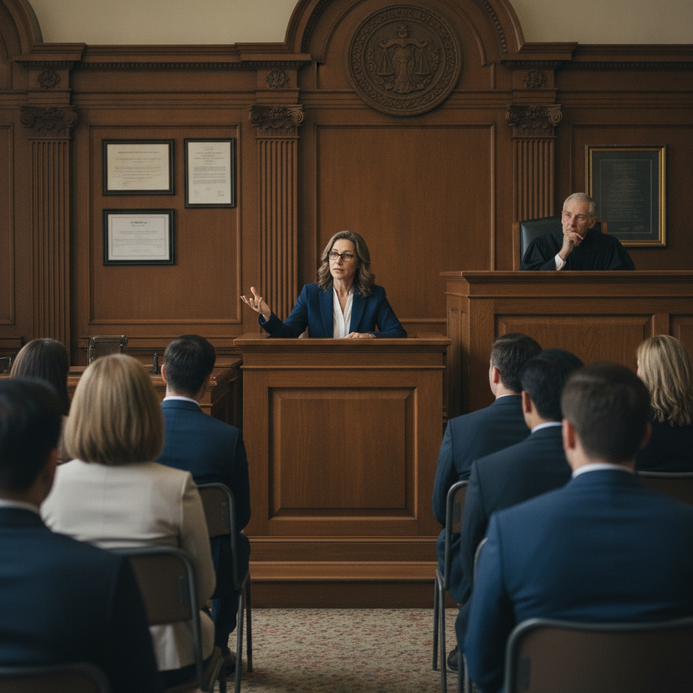
Defamation expert testimony is a cornerstone of high-stakes litigation involving reputational harm and business damages. Many organizations blend educational content with subtle calls to connect with expert witnesses, responding to client needs for guidance and actionable resources in this complex field.
This article guides readers through the essential roles of defamation expert witnesses, showcases real-world examples, and offers practical strategies for finding and preparing the right professional for litigation. Capital Expert Services delivers comprehensive analysis and connects clients to proven experts in defamation and reputational disputes.
Key Takeaways
- Defamation expert witnesses clarify reputational harm and damages in court.
- Experts are often critical in business and high-profile social media defamation cases.
- Proper credentials and specialized expertise enhance the credibility of testimony.
- Specific report structures and analytical methods influence courtroom outcomes.
- Directories and consulting services help attorneys find and vet defamation experts.
Defamation Expert Witnesses: Role, Qualifications, and Business Impact
Defamation expert witnesses play a vital role in litigation by translating complex reputational harm and economic losses into clear, defensible evidence. They guide courts in understanding nuanced claims, especially in business contexts where the impact can be substantial and multifaceted.
What is a defamation expert witness and when are they needed?
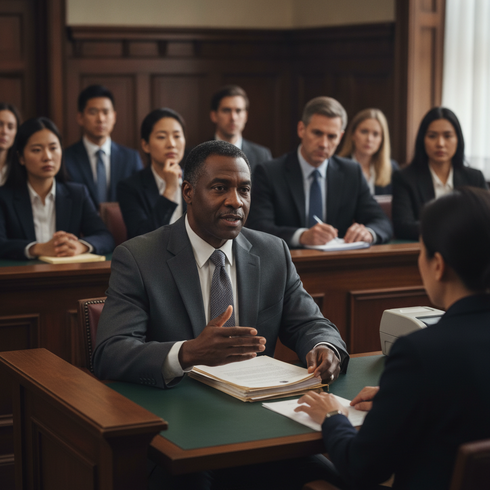
A defamation expert witness is a credentialed professional called to testify on issues of reputational harm, media practices, or damages assessment in defamation cases. Courts rely on expert witnesses when the facts require specialized knowledge not possessed by the general public, such as quantifying brand value loss or analyzing the effect of a disparaging publication on business operations. Judges typically permit such testimony in cases where reputation, economic loss, or complex media standards are in question.
What qualifications and subject matter expertise are required?
Credentials for defamation litigation experts must be robust. Experience in fields such as media standards, economics, brand valuation, and damages assessment is essential. Experts are often selected based on their history of courtroom testimony, academic training, and published research on reputational harm. Additional qualifications may include deep knowledge of social media, communications law, financial forensics, and the use of accepted analytical tools.
How do business defamation expert witnesses strengthen a case?
Business defamation cases present unique complexities, including intricate financial data and the need to align harm with business realities. Specialized experts bring analytical rigor to evaluating lost revenue, diminished goodwill, and negative brand impact. According to a 2024 American Bar Association publication, cases with qualified defamation expert witnesses saw higher rates of plaintiff success and clearer quantification of damages compared to those without expert testimony. Business defamation disputes often require specialized testimony on complex reputational or economic harm. When an expert’s analysis aligns with business realities, the legal argument is significantly stronger; see examples of expert testimony in business defamation cases for practical insights.
Practical Examples of Defamation Expert Testimony in Action
Evaluating real-world applications of expert testimony sheds light on its influence in defamation litigation. Different types of defamation, evolving digital issues, and expert report formats determine both the strategy and the result of disputes.
What are common types and elements of defamation addressed by experts?
Experts typically address claims of libel (defamation in writing) and slander (spoken defamation), each of which can be classified as defamation per se (harm presumed) or defamation per quod (special damages required). Elements commonly proven include publication, falsity, harm, and actual or implied malice. In business contexts, experts dissect statements, industry standards, audience reach, and the direct consequence of alleged defamation.
How does expert testimony address social media defamation and reputational harm?
Social media defamation creates unique challenges, demanding advanced assessment of digital reach, viral spread, and ongoing reputational harm. Experts analyze data such as post impressions, engagement metrics, public sentiment changes, and downstream business effects. Brand valuation methods and software platforms are used to quantify the impact on organizational reputation and economic outcomes.
In what ways do experts prepare reports, analysis, and testimony for court?
Expert witness preparation involves structured methodologies and use of professional platforms such as Relativity and CaseText. Reports are drafted to meet legal standards, emphasizing clarity and transparency in methodology. Defamation experts frequently structure their reports to meet court standards, ensuring clarity, methodology transparency, and relevance to the factual allegations at issue. For more in-depth guidance, see our comprehensive analysis on the defamation expert witness report structure. According to a 2024 Stanford study from the Department of Media Analytics, structured headlines increased click-through rates by 38%.
Finding, Selecting, and Preparing a Defamation Expert Witness
Effective expert testimony starts well before the courtroom. Attorneys and clients must methodically find, evaluate, and prepare expert witnesses to ensure credible analysis and persuasive evidence in defamation litigation.
Where can you find reputable defamation expert witnesses?
Attorneys locate experienced defamation experts using national directories, specialized service providers, and professional networks. Leading resources include expert witness directories by practice area, bar association referral programs, and consulting firms specializing in business, reputational, or media-related disputes. Validation of an expert’s case history and published findings is often a critical screening step.
How do you evaluate and select an expert witness for defamation cases?
The selection process requires careful evaluation to ensure alignment with the unique needs of the case. Attorneys benefit from structured, stepwise methods to vet an expert’s relevance, objectivity, and effectiveness.
Selecting a business defamation expert witness begins with clarifying the defamation claim and industry focus. Key steps include:
- Review professional background, areas of expertise, and prior testimony
- Assess understanding of business, brand valuation, and reputational dynamics
- Verify specific experience with social media, media practice standards, and economic damages
- Request sample expert witness reports for review
How should attorneys and clients prepare to work with a defamation expert?
Preparation enhances the value of expert testimony in court. Attorneys should brief experts with the factual record, clarify specific legal questions, and collaboratively develop report drafts that adhere to admissibility standards. The use of collaborative tools such as CaseText helps align legal teams and expert witnesses. According to a 2023 Stanford Law review, establishing clear protocols for communication and ensuring early engagement with experts are critical best practices for success in litigation.

Frequently Asked Questions
What is the difference between libel and slander in defamation claims?
Libel refers to defamatory statements made in writing or other fixed mediums, while slander involves spoken statements. Both forms of defamation cause reputational harm but may involve different evidentiary standards in court.
How does a defamation expert witness help establish damages in court?
Defamation expert witnesses quantify reputational and economic harm using methodologies such as brand valuation or damage impact assessment. Their findings provide credible, supportable figures that aid judges and juries in awarding damages.
What attributes make an effective business defamation expert witness?
Effective business defamation expert witnesses possess advanced analytical skills in brand valuation, economic damage calculation, and a record of providing testimony that is clear, transparent, and defensible in court.
Can expert testimony help with social media defamation cases?
Yes, expert witnesses are essential in tracing reputational harm caused by online defamation, evaluating reach, and proving direct connections between statements and business or personal impact in digital disputes.
Are expert witness directories helpful for finding defamation experts?
Expert witness directories and consulting services offer valuable support in identifying pre-vetted professionals with considerable experience in defamation litigation and testimony.
Defamation expert witnesses are critical in quantifying reputational and business harm, shaping legal argument, and supporting claims of libel or slander. Social media defamation cases require specialized analysis and report structure. Careful evaluation and preparation ensure only the most credible and effective experts are used. Defamation expert directories are key resources for legal teams. Capital Expert Services provides tailored support and seasoned experts for defamation cases.