


Forensic document examination is a pivotal field within forensic science, offering expertise in validating the authenticity of questioned documents. One distinctive insight in this profession is the emphasis on structured career pathways and the significant role credible certification plays in establishing authority and reliability.
This guide provides legal professionals and aspiring specialists with clear information about essential job functions, training routes, and recognized credentials in forensic document examination. Capital Expert Services connects clients to leading experts and delivers thorough analysis, supporting high-stakes disputes and legal investigations.
Key Takeaways
- Forensic document examiners authenticate, analyze, and testify about questioned documents
- Handwriting analysis is a core responsibility but examiners also assess ink, paper, and digital records
- The path involves a degree, specialized training, and certification by professional organizations
- Technology trends are expanding digital document analysis in forensic work
- Certification and ongoing learning ensure credibility in the legal system
Introduction to Forensic Document Examination
Professionals in forensic document examination play a crucial role in the justice system by assessing the credibility and origins of disputed documents. This specialty aids courts, law enforcement, and private parties by ensuring that document-based evidence stands up to scrutiny.
What does a forensic document examiner do?
A forensic document examiner analyzes questioned documents to determine authenticity, detect alterations, and establish authorship.

The role involves handwriting analysis, material examination, and the use of specialized tools to uncover forgery or manipulation. Attorneys and organizations often turn to a forensic document examiner when suspicious or contested documents become critical evidence in investigations or litigation. The profession bridges science and law, requiring expertise in both.
What are questioned documents and when is an expert needed?
Questioned documents are items whose origin, authenticity, or authorship is in dispute during a legal or investigative process. These may include contracts, wills, financial records, or digital files. An expert is needed when the outcome of a case depends on whether a document is genuine or tampered with, helping courts and investigators resolve complex disputes.
Popular types of document examination cases
Document examiners contribute to many types of legal and investigative casework. Common scenarios include signature verification, analyzing alleged forgeries, and resolving contract disputes. Cases involving signature disputes frequently require the insights of a signature expert to determine the authenticity or detect potential forgery in legal and financial documents.
- Signature verification and handwriting analysis
- Examination of altered, erased, or forged documents
- Authentication of legal and corporate records
- Digital document validation and metadata analysis
The Path to Becoming a Qualified Forensic Document Examiner
Pursuing a career as a forensic document examiner involves meeting stringent educational and professional standards. Candidates must progress through academic training, practical experience, and formal certification to gain credibility in legal contexts.
How do you become a forensic document examiner?
The process of becoming a forensic document examiner is structured and demands commitment. Candidates typically follow these steps:
- Obtain a high school diploma with strong coursework in sciences
- Complete a bachelor’s degree in forensic science, chemistry, criminal justice, or a related discipline
- Pursue graduate education or secure an apprenticeship to receive hands-on training in document analysis
- Undergo comprehensive on-the-job training, often lasting one to three years, in a forensic laboratory
What are the requirements for certification and professional organizations?
Certification confirms expertise and enhances professional credibility. The American Board of Forensic Document Examiners (ABFDE) is widely recognized for setting high standards in the field. Candidates must have completed accredited training, possess direct examination experience, and demonstrate ethical conduct to be eligible. Membership in additional organizations supports continued professional growth and networking opportunities.
What does training involve for a forensic document examiner?
Training for forensic document examiners combines academic coursework, laboratory experience, and mentorship. Practical exposure is critical, where trainees use advanced technology such as Adobe Acrobat and DocuSign for document analysis. According to a 2024 U.S. Bureau of Labor Statistics report, comprehensive training that blends classroom instruction, supervised laboratory work, and professional observation is a key predictor of career readiness in forensic science pathways.
Career Insights and Outlook for Forensic Document Examiners
The career outlook for forensic document examiners reflects ongoing demand in both public agencies and private consulting. Professionals in this field benefit from specialized skills, but must also navigate ethical and technological challenges unique to modern evidence examination.
What is the job outlook and salary range?
Recent labor market data indicates that demand for forensic document examiners remains steady, with government agencies, legal firms, and corporations seeking unbiased document analysis. Annual salaries range from $60,000 to $110,000, influenced by experience, training, and whether work is performed in the public or private sector. According to a 2023 National Institute of Justice report, employment opportunities are strongest for examiners with up-to-date training in both physical and digital document analysis.
What ethical standards and challenges exist in document examination?
Forensic document examiners are required to maintain strict impartiality and confidentiality, avoiding conflicts of interest and upholding transparency in methods. Ethical dilemmas may occur when under pressure from clients or when evidence is ambiguous, so adherence to organizational codes and continued professional oversight is essential to maintain trust.
Why is ongoing professional development important?
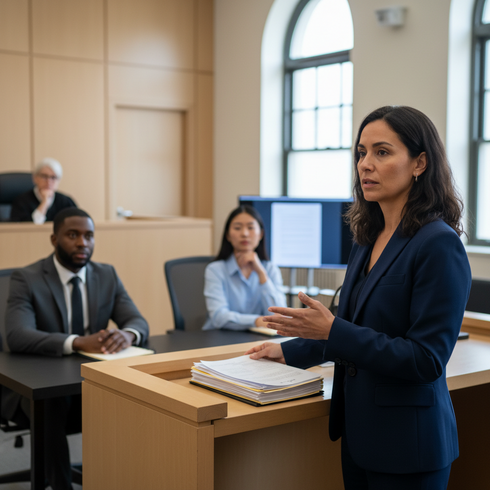
Continuing education and active membership in professional organizations enable specialists to stay abreast of evolving technology, methodology, and legal standards. Ongoing training helps document examiners retain credibility and testify confidently about current best practices and scientific advancements in document analysis.
Conclusion
Forensic document examiners offer critical expertise in legal proceedings, combining scientific analysis with recognized certification to ensure document authenticity. Adopting structured training pathways and adhering to ethical standards enhance expert credibility and effectiveness. Capital Expert Services assists professionals in identifying and engaging leading document examination specialists and resources.
Frequently Asked Questions
How does forensic document examination differ from handwriting analysis?
Forensic document examination addresses a broad range of evidence, including handwriting, ink, paper, and digital records, whereas handwriting analysis is limited to evaluating writing style and authorship.
What are the main types of evidence examined by document examiners?
Commonly examined documents include contracts, wills, checks, medical records, and personal identification documents. Examiners address concerns about authenticity, alteration, and forgery across these categories.
How long does it take to become a certified document examiner?
It generally takes four years to earn a bachelor’s degree, followed by one to three years of supervised training before applying for professional certification.
Are digital documents becoming a larger focus in document examination?
Digital document examination has grown substantially, with forensic examiners using new tools and methodologies to analyze electronic files and metadata.
When should an attorney hire a forensic document examiner?
Attorneys should consult a specialist when questions arise about a document’s validity, authorship, or manipulation, particularly when such evidence is pivotal to a legal outcome.
Forensic document examiners authenticate disputed documents, employ advanced technology, and adhere to ethical standards. Certification is issued by established organizations following thorough training and supervised practice. Digital analysis is an increasing focus in modern casework. For expert support, partner with Capital Expert Services.