
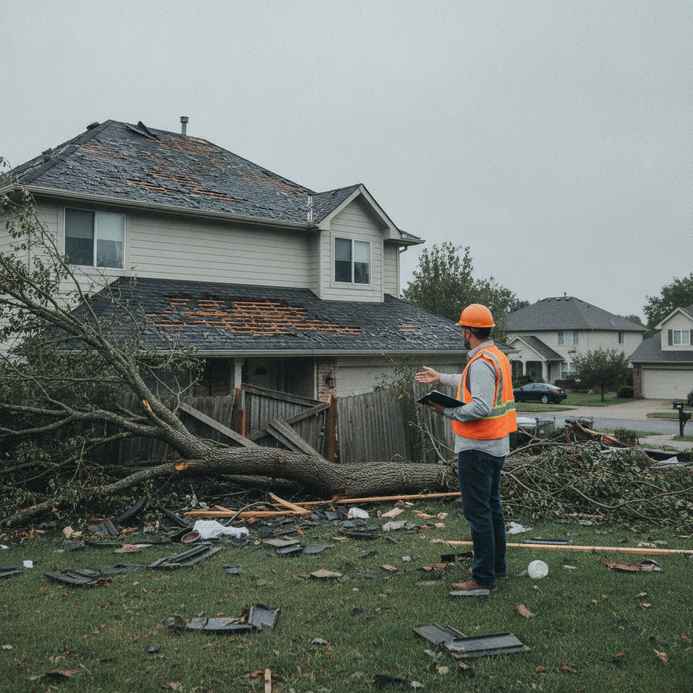
Expert storm damage assessment requires a cautious, methodical approach to identifying and documenting hurricane or severe weather incidents. Many guides in the field focus heavily on safety-first recommendations and step-by-step frameworks to foster reader trust and help them act confidently after disaster strikes.
This article empowers readers to conduct a thorough storm or hurricane property damage assessment, follow a clear documentation process, and understand the role of professional consultation at each stage. Capital Expert Services guides clients through every step, from early inspection to detailed claim support and litigation-focused expertise.
Key Takeaways
- Always confirm safety before starting any property inspection after a storm
- Early, accurate documentation is critical for insurance and disaster assistance
- A quality storm damage report must include detailed photos, descriptions, and repair estimates
- Digital tools like iSTAT and insurance apps streamline assessment and reporting
- Professional assessments add credibility to complex or disputed claims
- Prompt reporting can speed up aid and recovery for both individuals and communities
Assessing Damage to Your Property After a Hurricane
A swift, organized response after a hurricane or major storm is crucial for maintaining safety and building a solid foundation for insurance or recovery claims. By following methodical checks and processes, property owners maximize their ability to secure aid and reduce long-term losses.
How do you confirm everyone’s safety after the storm?
Ensuring personal and household safety is the first priority immediately following a storm event. Always check on all occupants, look for visible injuries or distress, and make sure first aid and emergency services are available if needed. Before any inspection, verify that the environment poses no immediate threats.
When should you begin the assessment process?
Storm and hurricane damage should be assessed as soon as it is safe, ideally within the first 24–48 hours. Timely assessment protects against secondary damage, prevents loss of evidence, and aligns with most insurance policy requirements. Acting quickly also helps safeguard the property from further hazards.
What are common signs of storm and hurricane damage to look for?
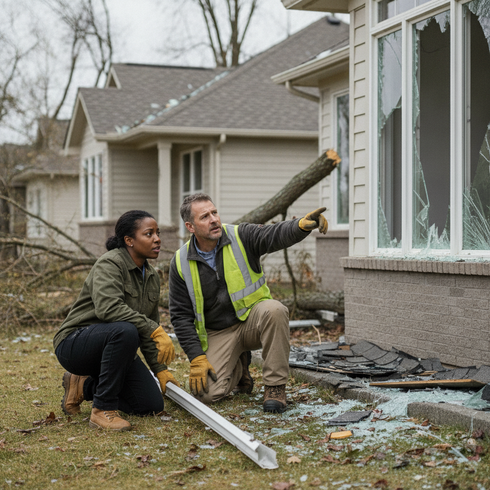
Early identification of storm-related harm is essential. Visible signs include missing shingles, broken windows, twisted gutters, and damaged siding. Structural issues like cracks in walls or ceilings, water stains, and pooling indicate hidden or serious problems. Listen for unusual noises or detect musty smells that suggest unseen water intrusion.
Essential safety steps before inspection
Before you begin any property damage assessment after a hurricane or severe storm, focus on personal safety by following these essential steps:
- Check for downed power lines or gas leaks before entering the area.
- Wear protective gear (boots, gloves, hard hat) to prevent injuries.
- Ensure the structure is stable and not at risk of collapse.
- Keep emergency contacts available in case of hazardous findings.
Step-by-Step Storm Damage Assessment and Documentation Process
Organizing the inspection and documentation process leads to defensible, thorough evidence for insurance, legal, or disaster reporting. A systematic approach also reduces the risk of missing critical details that can delay claims or recovery.
What are the key steps in the property damage assessment process?
Begin with an outside-to-inside inspection, noting every instance of visible or potential damage on the roof, windows, siding, doors, and foundation. Move to interior areas, checking ceilings, floors, plumbing, and HVAC systems. Gather physical evidence and record your findings methodically as you progress.
How should you document the damage for your records and insurance?
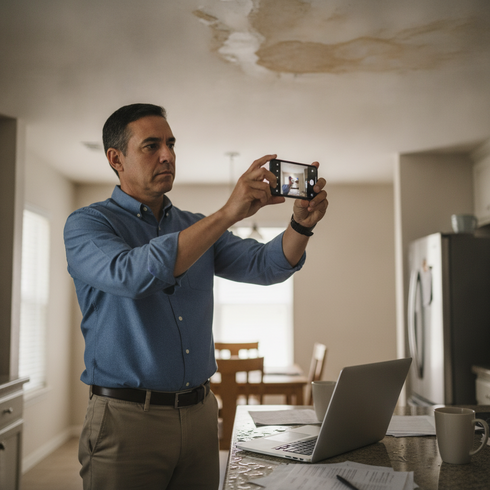
Accurate documentation is the backbone of a valid storm damage report. Use high-resolution photos, brief videos, and comprehensive notes to capture the condition of all affected property. Record serial numbers or identifying marks, and include date- and time-stamps when possible for added verification.
What should be included in a storm or hurricane damage report?
A strong hurricane damage report covers every detail necessary for insurance and disaster programs. To create a complete, actionable record, include:
- Property details and address
- Date and time of the storm event
- Detailed description of all observed damage
- Photographic and/or video evidence of each affected area
- Estimated repair or replacement costs (based on quotes or professional opinions)
What tools or apps can assist with storm damage reporting and documentation?
Several digital platforms and apps are now recommended for property damage assessment and insurance documentation. The Individual State of Texas Assessment Tool (iSTAT) provides a secure, standardized way to submit and catalog damage, while insurance company mobile apps streamline evidence gathering. According to a 2024 Harvard study from the Center for IT Innovation, digital adoption in post-disaster claims documentation improved claim resolution speed by 29%.
The Importance of Professional Storm Damage Assessments
While many property owners begin with DIY assessments, complex or large-scale damage often requires professional expertise. Understanding when to consult a specialist helps ensure the most accurate, defensible outcomes for both insurance and legal contexts.
Why are expert storm damage assessments important?
Relying on expert storm damage assessment means benefitting from advanced tools, deep technical knowledge, and precise methodologies. Professionals detect hidden issues, assess causality, and provide reports that insurers and courts trust—leading to faster and fairer claim outcomes.
When should you hire a public adjuster or storm damage consultant?
If you observe widespread roof damage, signs of structural instability, or water intrusion affecting multiple parts of the building, a public adjuster or storm damage consultant is essential. Experts are also critical when the value of a claim is high, the cause of damage is in dispute, or formal litigation may arise.
What steps should you take after a professional inspection or if your claim is denied?
After receiving an expert inspection, review all findings and ensure documentation aligns with your insurance requirements. If a claim is denied or partially paid, use professional assessments to support an appeal or request a supplemental inspection. Maintain detailed communication records for ongoing negotiations.
Key benefits of working with storm damage experts
Partnering with experienced storm damage professionals offers unique advantages for complex claims and litigation:
- Third-party objectivity and defensible methodology for insurance or litigation
- Coordination with meteorology expert witness and forensic tools
- Guidance for appeals, denied claims, or supplemental inspections
- Direct support through Capital Expert Services’ network of vetted professionals
When evaluating complex property losses, working alongside a meteorology expert witness can be crucial for establishing weather event severity, causality, and insurance or legal requirements. Their objective analysis supports rigorous, defensible claims documentation. According to a 2023 NAPCO study, professional involvement in storm claims increased positive settlement outcomes by 21% versus DIY efforts.
Specialized Tools and Statewide Reporting Platforms
Developments in digital reporting platforms have greatly improved the speed, accuracy, and reach of storm damage assessment. Centralized online solutions and official apps ensure standardized processes for individuals as well as emergency management agencies.
What is the Individual State of Texas Assessment Tool (iSTAT)?
The Individual State of Texas Assessment Tool (iSTAT) is a secure web and app-based reporting system that enables residents to submit geolocated damage information directly to state authorities after major weather events. By combining photos, location data, and structured forms, iSTAT streamlines disaster resource deployment and community aid requests.
Why does prompt and accurate reporting to state or insurance matter?
Fast, detailed reporting to insurance carriers or state agencies ensures that your storm or hurricane damage claim is documented ahead of any further deterioration or changes. Early submission facilitates quicker disaster declarations and funding allocation at both the individual and community level.
Tips for using storm damage assessment apps and digital checklists
Modern digital solutions can significantly improve how quickly and accurately you record damage. When using these tools, follow a structured routine:
- Use platforms that allow GPS-tagged photos and time-stamped submissions (e.g., iSTAT, insurance apps)
- Download template checklists so nothing is overlooked during your inspection
- Regularly back up all digital documentation for reference and appeals
Conclusion
A structured, safety-focused assessment process paired with diligent documentation ensures your storm or hurricane damage claim stands up to scrutiny and expedites recovery. Leverage expert insights when needed and use purpose-built reporting tools to maximize your results. Explore more solutions and consulting support with Capital Expert Services.
Frequently Asked Questions
What are the best practices for documenting storm damage for an insurance claim?
The most reliable documentation methods involve taking clear, time-stamped photos of every affected area, keeping organized written notes, and saving receipts or contractor quotes for repair estimates. Digital tools or assessment checklists help ensure no important evidence is missed.
When is it necessary to seek a professional storm damage inspection?
Professional inspection is strongly recommended for significant issues like visible structural damage, mold, or major water intrusion. It is also essential for high-value, complicated, or disputed insurance claims where unbiased, defensible assessments help strengthen your case.
How does reporting damage to the state help?
Submitting timely, complete damage information to platforms like iSTAT accelerates the disaster declaration process, facilitating resource distribution and financial aid to impacted communities. Proper reporting ultimately benefits both individuals and wider recovery efforts.
How soon should storm damage be reported?
Check property conditions and start documentation as soon as it is safe following a hurricane or major storm event. Early reporting helps prevent disputes, ensures eligibility for coverage, and initiates disaster recovery protocols for affected areas.
What tools can help me organize my hurricane damage report?
Widely used platforms such as iSTAT and insurer mobile apps are excellent for hurricane damage reporting. These apps allow structured data entry, photo uploads, and use checklists to guarantee your report is comprehensive and audit-ready.
Accurate storm and hurricane damage assessments protect personal and community recovery efforts, especially when combined with prompt action, high-quality documentation, and expert review. Early, organized reports help prevent insurance disputes and speed financial assistance, while digital tools enhance evidence collection. Capital Expert Services provides support throughout the assessment process to deliver credible and defensible outcomes for every client.