


Expert witness depositions play a crucial role in litigation outcomes. Competitors repeatedly divide their content into actionable sections—covering basics for new legal professionals and advanced strategies for seasoned attorneys, including checklists and FAQs. This hidden approach ensures that readers gain both practical tips and process mastery.
This article distills expert witness deposition fundamentals and advanced tactics, equipping readers for every stage of preparation and execution. Legal professionals and expert witnesses will discover Capital Expert Services’ proven strategies, ensuring clarity and advantage throughout the deposition process.
Key Takeaways
- Expert witness depositions require targeted preparation and strategic planning
- The distinction between expert and fact witness depositions shapes purpose and questioning
- Coordinated pre-deposition planning enhances witness effectiveness at deposition and trial
- Mock depositions and use of technology tools optimize readiness, especially for remote proceedings
- Common pitfalls in expert depositions include lack of clarity, inadequate preparation, and mishandled objections
Foundations of Expert Witness Depositions
Preparation for expert witness depositions starts with a clear understanding of their structure, objectives, and professional expectations. This section explores how expert testimony differs from factual witness accounts, what legal teams aim to accomplish, and the professional conduct expected of expert witnesses.
What is an expert witness deposition and why is it important?
An expert witness deposition is the formal process where an expert provides sworn testimony prior to trial, answering questions from both sides. Unlike fact witness depositions, expert depositions focus on opinions, methodologies, and qualifications grounded in specialized knowledge. The primary purpose is to clarify and test the foundation for the expert’s conclusions.
What makes a good expert deposition outcome?
A strong expert deposition is distinguished by credibility, clear communication, and logical consistency in testimony. When expert statements are straightforward and defensible, they bolster case strength and limit opposing counsel’s ability to challenge the testimony at trial.
What are the main deposition goals for legal teams and witnesses?
Legal teams aim to secure a favorable record, test or solidify expert opinions, and assess the expert’s trial readiness. Witnesses seek to communicate their findings confidently while avoiding misstatements or overextensions beyond their area of expertise.
The basics: what is expected from the expert witness?
Expert witnesses are expected to remain impartial, offer opinions only within their qualifications, and maintain professionalism throughout the deposition. Preparation extends beyond content knowledge to include composure under questioning and strict adherence to factual bases for opinions.
Effective Preparation for an Expert Witness Deposition
Success in expert depositions depends on systematic, customized preparation by both counsel and expert. The following sections define step-by-step workflows, share best practices, and illustrate real-world outcomes.
How should experts and counsel prepare for a deposition?
Attorneys and expert witnesses should align on deposition objectives, anticipated lines of questioning, and legal standards governing the testimony. Preparation includes comprehensive document review and simulated questioning designed to refine responses and anticipate challenges. To maximize expert effectiveness at deposition and at trial, counsel should coordinate comprehensive pre-deposition strategy and ensure the witness is ready for examination. Learn more about the interplay between deposition and preparing expert witness for trial.
What are best practices for expert deposition preparation?
Adhering to foundational best practices can reduce risks and create a persuasive deposition record. Experts should thoroughly review case files, understand the relevant legal framework, and rehearse their answers to complex or technical questions. Use of real-world platforms such as CaseText enables issue-spotting and organization, while practicing on communication tools like Zoom helps simulate remote proceedings.
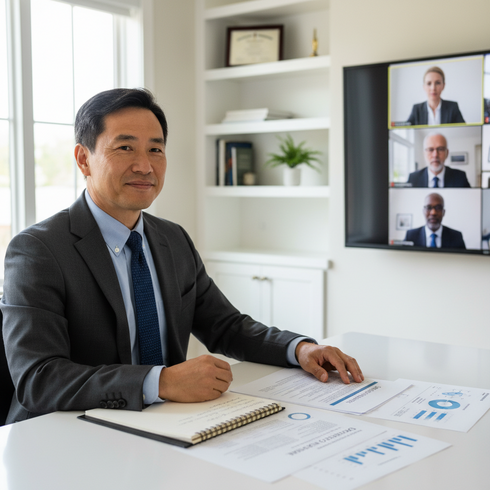
Actionable checklist: steps for preparing an expert witness
Systematic preparation ensures that experts and legal teams do not overlook critical steps. The following checklist addresses both conventional and remote deposition readiness:
- Review all case facts, submissions, and expert reports to reinforce testimony accuracy
- Master applicable legal standards and the precise scope of testimony expected
- Conduct mock depositions using Zoom or Microsoft Teams for realistic practice
- Assemble and examine exhibits, visual aids, or demonstratives before the session
- Discuss likely opposing counsel tactics and types of probing questions to anticipate
Real-world example: successful expert deposition preparation
A 2024 American Bar Association report highlights a case in which rigorous expert preparation—including detailed mock depositions and pre-session technology checks—minimized errors and allowed the expert to deliver calm, persuasive testimony under cross-examination. According to the study, collaboration between attorney and expert enabled the team to preempt common pitfalls, resulting in a favorable case outcome.
Strategies and Best Practices During Deposition
Executing an expert deposition requires strategic thinking and vigilance against both procedural and practical challenges. The following sections explore real-time tactics, objection management, and pitfalls to avoid.
What practical strategies help during the actual deposition?
Experts must listen carefully, request clarification when needed, and keep answers concise. Remaining attentive to the scope of each question limits opportunities for confusion or manipulation by opposing counsel, while confidently acknowledging the boundaries of one’s expertise maintains authority.
Handling objections, discovery, and disclosure issues
Attorneys and experts must follow established protocols governing objections, which are generally made to preserve the record and may be limited in scope during depositions. When requests for disclosure or production arise, counsel should determine the appropriateness of responses and protect privileged or irrelevant materials in compliance with discovery rules. According to a 2023 Georgetown Law study on deposition errors, careful management of discovery boundaries reduces risk of inadvertent disclosures and strengthens the defensibility of expert opinions.
Tips for conducting and defending expert depositions
Focused practical techniques can significantly advance the effectiveness of both taking and defending expert depositions.
- Maintain organization using prepared outlines in platforms like OneNote or CaseText
- Ask precise, targeted questions to limit the scope of expert responses
- Integrate exhibits strategically to support or challenge specific opinions
- Prepare for virtual deposition issues, including document sharing and managing technology disruptions
Common challenges and pitfalls in expert depositions
Common errors in expert witness depositions include overreaching beyond disclosed opinions, responding impulsively to hostile questioning, and inconsistently applying technical terminology. Proactive mitigation—through practice, clarity of scope, and pre-arranged communication strategies—can limit these risks and improve litigation outcomes.
Conclusion
Expert witness depositions demand careful preparation, a clear understanding of the legal process, and adaptive strategies before, during, and after the event. By applying structured planning and learning from real-world examples, both new and seasoned litigators can enhance deposition effectiveness. Explore more expert insights and tailored support with Capital Expert Services.
Frequently Asked Questions
What is the difference between an expert and a fact witness in depositions?
An expert witness provides opinion testimony based on specialized knowledge, while a fact witness describes first-hand observations or experiences directly related to the case. The distinction between different types of expert involvement can shape both deposition and trial testimony. For details about expert categories, see our discussion on retained vs non-retained experts.
How should experts prepare for virtual or remote depositions?
Experts should test all technology in advance, practice remote communication skills, and receive digital copies of exhibits prior to the deposition. Practicing remotely on platforms such as Zoom or Microsoft Teams can help simulate procedural challenges and ensure comfort with virtual proceedings.
Can an expert witness refuse to answer certain questions during deposition?
An expert may refuse to answer questions that go beyond the scope of disclosed opinions, seek privileged information, or are otherwise objectionable under applicable law. Counsel should promptly intervene to protect expert rights.
What should attorneys do if opposing counsel becomes aggressive or disruptive?
When facing aggressive or disruptive behavior from opposing counsel, attorneys should make clear, concise objections on the record. If necessary, they can request breaks for private consultation or suspend the deposition in cases of serious misconduct.
How long do expert depositions typically last?
Expert depositions commonly last several hours, but for complex or multi-issue cases, they may extend over multiple days. The timeframe depends on the volume of material and the breadth of expert opinions submitted.
Meticulous preparation, clarity in testimony, and careful management of objections enable legal teams to optimize expert witness depositions. Integrating technology platforms and adopting proven checklists supports both remote and in-person proceedings. Capital Expert Services provides expert support for thorough and defensible deposition preparation.