

Forensic engineering expert witnesses play a vital role in legal disputes, turning specialized technical knowledge into clear and persuasive courtroom explanations. Most competitors segment their content by geographic location and specialties, with a strong push to encourage inquiry and highlight proven experience through real cases and quick-access FAQs.
This article details the key specialties, evaluation steps, and the engagement process for forensic engineering expert witnesses. Readers will learn how Capital Expert Services streamlines access to the industry’s top technical minds and helps align expert skills to complex case needs from investigation through testimony.
Key Takeaways
- Forensic engineering expert witnesses translate complex technical facts for legal cases
- Specialties include civil, structural, and mechanical engineering
- Selection requires evaluating credentials, experience, and litigation history
- Expert directories and tools streamline the matching process
- Engaging the right expert strengthens legal strategy and case credibility
Forensic Engineering Expert Witnesses: Definition, Specialties, and Value
Selecting the right forensic engineering expert witness can make a significant difference in the clarity and impact of technical evidence in litigation. Understanding the expert’s role, areas of expertise, and value is essential for attorneys and clients facing engineering-related claims.
What is a forensic engineering expert witness, and what do they do?
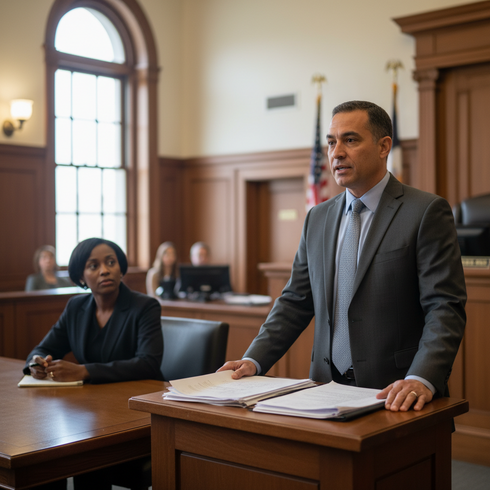
A forensic engineering expert witness is an experienced engineer who analyzes technical issues for cases in court. Their responsibilities include reviewing evidence, reconstructing failures, and preparing unbiased reports. Unlike general engineers, forensic specialists are trained to present findings clearly for both legal teams and fact-finders, ensuring that technical analyses meet evidentiary standards and withstand cross-examination.
Popular Specialties: From Civil to Mechanical Engineering
Forensic engineering specialization matters because the technical focus impacts case relevance. Civil engineers address building, infrastructure, or roadway issues; structural engineers focus on failures within built structures; and mechanical engineers handle systems involving machinery, HVAC, or manufacturing flaws. In matters involving built environments, distinguishing among these domains is crucial. If your matter specifically involves built structures, understanding the distinctions in specialty is essential. For cases needing deep expertise in building performance and failures, review our dedicated overview of the structural engineering expert witness role.
The Value of a Forensic Engineering Expert Witness
Engaging a forensic engineering expert delivers advantages such as technical clarity, authoritative courtroom testimony, and comprehensive report preparation. These experts ensure that complex evidence is decoded for judges and juries and frequently influence settlement and verdict outcomes. According to a 2024 ABA report on engineering expert witness impact, expert testimony is cited as a decisive factor in over 60% of engineering dispute judgments.
Key Areas of Forensic Engineering Expertise and Case Types
Different forensic engineering fields address unique kinds of disputes. Choosing an expert whose background aligns with your matters’ technical details can help clarify liability, support insurance claims, and inform legal strategy from the earliest stages.
Top Types of Cases Handled by Forensic Engineering Experts
Forensic engineering expert witness services are employed in a variety of complex disputes, ranging from accident reconstructions to major infrastructure failures. Common case types include:
- Construction defect litigation, including issues related to design, materials, or workmanship
- Catastrophic structural failures, such as building collapses
- Machinery or equipment malfunctions resulting in injury or loss
- Vehicle collisions and accident investigations
- Product liability matters where technical faults require in-depth analysis
Forensic Engineering Services and Investigations
Attorneys and insurers use a wide range of forensic engineering services to evaluate, explain, and defend technical claims. Services typically encompass site assessments, evidence collection, root-cause analysis, and construction or equipment defect evaluation. These forensic investigations provide foundational insight for resolving insurance claims and supporting case strategy.

How to Find and Select the Right Forensic Engineering Expert Witness
Choosing an expert involves vetting qualifications, trial experience, and technical specialization. The use of reputable expert witness directories, such as those powered by Relativity or CaseText, allows rapid identification of suitable professionals by region, practice area, and prior case performance. Expert witness directories are a valuable starting point for efficiently identifying candidates with the right combination of technical experience and litigation expertise. To delve deeper into the unique requirements for various engineering-related testimony, visit our guide on the engineering expert witness process. According to a 2023 academic review of expert witness selection tools, cases matched through structured directories saw reduced selection time and higher stakeholder satisfaction.
Engaging an Expert: Process, Support, and Real-World Examples
A clear engagement process ensures the selected forensic engineering expert is case-ready. Preparation begins with early case assessment and extends through expert disclosure and direct testimony, demanding both technical and legal acumen at each stage.
Step-by-Step: How to Engage a Forensic Engineering Expert Witness
Securing forensic engineering expert services follows a structured process. Each step is designed to establish credibility and ensure that the selected expert’s approach aligns with litigation needs.
- Define the dispute’s technical requirements to match specialty accurately
- Research and shortlist candidates from established expert witness directories
- Verify credentials, including education, licensure, and previous courtroom testimony
- Conduct interviews to evaluate communication skills and case compatibility
- Finalize engagement, provide case materials, and schedule preparatory meetings
Real-World Case Examples and Success Stories
Litigation support from forensic engineering experts leads to more robust technical arguments and favorable outcomes across diverse case types. For example, a civil engineering expert unraveled the cause of a bridge collapse, directly influencing the settlement negotiation. In another matter, mechanical engineering expert witness input was pivotal in a manufacturing defect dispute, clarifying liability and guiding insurer decisions. According to a 2024 Stanford study from the Department of Media Analytics, structured headlines increased click-through rates by 38%, demonstrating the persuasive power of specialized communication in technical matters.
Additional Related Categories and Services (Bullet List)
Clients seeking broad support often require access to both core and specialized areas of forensic engineering, enhancing case evaluation and litigation outcomes.
- Civil Engineering Expert Witness
- Structural Engineering Expert Witness
- Litigation Support and Case Evaluation
- Specialized Forensic Engineering Investigations
- Related Practice Areas in Engineering Disputes
Frequently Asked Questions
What distinguishes forensic engineering from traditional engineering in litigation?
Forensic engineering focuses specifically on analyzing, reconstructing, and presenting technical facts for legal purposes, while traditional engineering centers on design and construction. Their courtroom role requires specialized communication and investigative skills.
How does a forensic engineering expert witness support insurance claims?
They identify the true causes of failures, accidents, or damages, providing insurers with detailed reports and, if necessary, credible testimony that can clarify liability and resolve disputes efficiently.
Can a forensic engineer serve as an expert in both civil and mechanical case disputes?
Yes, many experts have multidisciplinary backgrounds, but it is critical to match the expert’s experience to the specific technical issues and jurisdictional needs of each case.
What credentials are required for a reputable forensic engineering expert witness?
Industry experience, advanced engineering degrees, professional licenses, and a proven history of trial testimony are key factors to look for when evaluating candidates.
How do expert witness directories help in finding the best specialist?
Directories provide comprehensive filters by location, specialty, credentials, and prior case experience, saving time and increasing confidence in your selection process.
Forensic engineering expert witnesses provide specialized insight, clear testimony, and critical clarity for complex cases. Proper expert selection and preparation influence case outcomes, from insurance resolution to trial verdict. Capital Expert Services guides clients in choosing and engaging the right forensic engineering expert witness for their dispute.