

Forensic handwriting experts play a vital role in legal disputes, where their specialized knowledge helps courts determine the authenticity of handwriting, signatures, and documents. The field values early demonstration of credentials and specialization, a trend echoed in both educational and service contexts. Real-world case references increase credibility and are an essential part of establishing trust in expert testimony.
This article provides a comprehensive guide to the field of forensic handwriting experts. You will learn what these professionals do, required credentials, how to embark on the career path, and best practices for finding an expert witness. Capital Expert Services supports clients in connecting with leading forensic handwriting specialists for litigation and dispute resolution.
Key Takeaways
- Forensic handwriting experts analyze handwriting and documents for courts and legal clients.
- Credentials, certification, and courtroom experience are crucial for credibility.
- Practical training and specialized courses guide career entry into this field.
- Expert directories and professional associations help in finding qualified witnesses.
- Methodical procedures and scientific tools distinguish real analysis from TV portrayals.
Understanding Forensic Handwriting Experts and Their Role
Forensic handwriting experts provide detailed analysis in courts and legal settings, focusing on questioned documents and signature disputes. Their reports and expert testimony offer objective evidence, making them instrumental in both civil and criminal cases.

What is a forensic handwriting expert, and how do they contribute to legal cases?
A forensic handwriting expert examines handwriting and signatures to verify authenticity, determine authorship, and uncover potential forgeries. These professionals support courts and clients by delivering objective, science-based findings, often in cases involving questioned wills, contracts, or disputed records.
What does a forensic handwriting expert do on a typical case?
The typical process begins with collecting questioned documents and known samples. The expert then analyzes various handwriting characteristics—slant, spacing, pressure, and formation—using scientific tools before preparing a clear report. When needed, the expert can testify in court, translating technical findings for legal audiences.
What are the key areas of expertise within handwriting analysis?
Expertise within forensic handwriting analysis covers multiple specialized areas. The following key skills demonstrate the range and focus of professional practice:
- Signature verification and forged signature analysis
- Forensic document examination and handwriting comparison
- Expert witness testimony in court cases
- Analysis of alterations, erasures, and fraudulent documentation
What distinguishes real forensic handwriting analysis from TV portrayals?
Media often exaggerates forensic work, but actual forensic handwriting experts apply rigorous protocols, standardized by entities like the American Society of Questioned Document Examiners (ASQDE). They use instruments such as Video Spectral Comparators (VSC) and Electrostatic Detection Apparatus (ESDA), following well-documented procedures rather than dramatized shortcuts.
Pathways to Becoming a Forensic Handwriting Expert
The journey to become a forensic handwriting expert combines formal education, certification, and hands-on experience. Attention to recent trends in forensic training and skillsets is fundamental for entry into this niche profession.
How do you become a forensic handwriting expert?
Most aspiring experts begin with a bachelor’s degree in forensic science, criminal justice, or a related field. Gaining direct experience through internships, apprenticeships, or mentorships is also essential. According to a 2024 NIST report on forensic science education trends, hands-on training programs have proven critical for skill development and workforce readiness.
What education and certifications are required?
Professional recognition often depends on certifications offered by groups such as the International School of Forensic Document Examination and ASQDE. Coursework focuses on the scientific analysis of documents, methods for comparing handwriting, and training on courtroom procedures essential for expert testimony.
Which skills and professional qualities matter most in this field?
Strong attention to detail, critical thinking skills, and clarity in both written and oral communication define top performers in forensic handwriting analysis. Adaptability and proficiency with digital tools like Photoshop and VSC technology enhance effectiveness, especially as modern casework increasingly involves digital documents.
What is the career outlook and salary range for these specialists?
Careers in forensic handwriting analysis offer stability due to continued legal and business needs. As of 2023, entry-level salaries are comparable to other forensic roles according to the U.S. Bureau of Labor Statistics. Opportunities exist in government laboratories, private consultancies, or as independent expert services.
How to Find and Hire a Qualified Handwriting Expert Witness
Selecting the right forensic handwriting expert is essential for robust case support. Navigating directories, evaluating credentials, and understanding the expert hiring process help ensure optimal legal outcomes.
What’s the process for finding a forensic handwriting expert?
Attorneys and clients typically start by searching expert directories and consulting professional associations like ASQDE. Online resources such as ExpertPages and trusted peer networks are frequently used to identify pre-vetted handwriting analysis experts for legal cases.
What should you look for when selecting a handwriting expert witness?
Choosing the right expert involves reviewing credentials and assessing relevant courtroom experience. Consider the following when evaluating candidates:
- Professional credentials and certifications
- Documented court testimony experience
- Transparency regarding methodology and prior case results
- Positive testimonials or references from attorneys and clients
When evaluating potential expert witnesses, it’s wise to compare their qualifications and experience with those of a certified forensic document examiner to ensure robust credentials and relevant expertise.
Which steps are involved in retaining an expert for signature disputes?
The process of retaining a forensic handwriting expert for signature disputes is straightforward but highly structured:
- Submit case details and relevant documents for preliminary review
- Discuss analysis procedures, timeline, and fees
- Confirm the expert’s availability for depositions and trial testimony
In cases where courtroom testimony is needed, retaining a qualified handwriting expert witness early in the process can provide strategic advantages and ensure admissible, compelling findings.
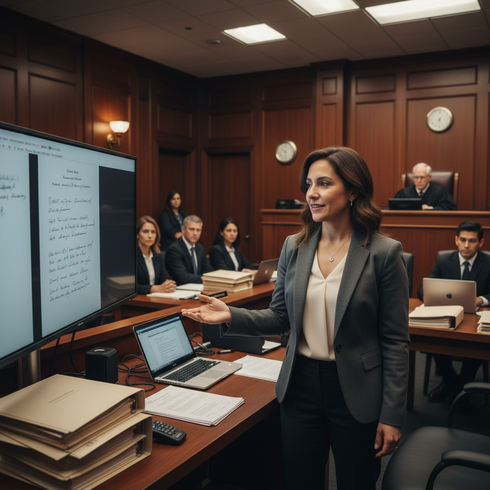
Common challenges when presenting handwriting expert testimony in court
Presenting expert testimony often means addressing challenges, including questions about expertise, differences between expert opinions, and explaining technical concepts to non-specialist juries. According to a 2023 ABA survey on forensic expert witness credibility in courtrooms, the most credible experts consistently provide clear, defensible reasoning, thoroughly documented processes, and maintain recognized credentials.
Conclusion
Forensic handwriting experts utilize scientific analysis to resolve disputes over document authenticity, authorship, and potential forgery. Candidates must combine formal education, professional certification, and courtroom skills to excel in this role. By following structured steps in evaluation and hiring, attorneys and clients can ensure strong, credible expert support for their cases. For comprehensive expert connections and litigation strategy, consider working with Capital Expert Services.
Frequently Asked Questions
How credible are handwriting experts in court?
Handwriting experts are credible when they hold validated credentials and clearly explain their methods. Their courtroom authority increases when they regularly testify and adhere to scientific protocols. Challenges do occur but well-qualified experts can often overcome them by demonstrating rigor and transparency.
What types of cases benefit from forensic handwriting analysis?
Many legal situations benefit from forensic handwriting expertise, including disputes over wills, contracts, suspected forgeries, anonymous threats, and altered records. These analyses offer objective clarity in legally ambiguous cases.
What education is required to start a career as a forensic handwriting expert?
Starting a career as a forensic handwriting expert typically requires a degree in forensic science, criminal justice, or a similar field, followed by specialized training or recognized certification in document examination.
Why do attorneys rely on handwriting expert witnesses?
Attorneys use handwriting expert witnesses to secure unbiased, scientifically grounded opinions in disputes that hinge on the authenticity of documents and signatures. Their analysis is often pivotal in providing clarity and swaying legal decisions.
How does forensic handwriting analysis differ from general handwriting analysis?
Forensic handwriting analysis is tailored to legal standards and follows rigorous scientific practices, while general handwriting analysis may focus on personality traits or character, which lacks legal standing or admissibility in court.
Forensic handwriting experts analyze documents to validate authenticity in legal cases, drawing on specialized education, certifications, and rigorous methodology. The field relies on scientific protocols and courtroom experience for credibility. Structured hiring processes and early expert involvement help ensure clear, defensible outcomes in court. Capital Expert Services offers direct access to vetted forensic handwriting specialists for challenging disputes.