

Handwriting analysis expert witnesses play a pivotal role when legal cases hinge on the authenticity of documents, signatures, or handwriting samples. Many firms highlight specific case examples and nuanced qualifications, but understanding the breadth of their expertise—and the complexities of legal admissibility—is essential for both legal professionals and clients.
This article explains the qualifications, typical cases, and process behind handwriting analysis testimony, showing how Capital Expert Services can guide you in selecting the right expert for your litigation needs.
Key Takeaways
- Handwriting analysis expert witnesses are vital for cases involving disputed documents and forgery claims
- Their work is grounded in rigorous methodology, including forensic standards
- Legal admissibility hinges on recognized certifications and scientific approaches
- Experts may analyze contracts, wills, checks, or anonymous notes
- Selection of a qualified expert bolsters case credibility and outcomes
Handwriting Expert Witnesses: Roles and Areas of Expertise
Handwriting analysis expert witnesses offer specialized knowledge in determining the authenticity of handwriting, signatures, and documents. Their expertise spans civil and criminal cases, helping distinguish genuine writings from forgeries or alterations.
What is a handwriting expert witness, and what do they do?
A handwriting expert witness provides professional analysis of writing samples, often in support of or against an alleged forgery, disputed authorship, or document tampering. While a handwriting analysis expert focuses mainly on identifying individual writing habits and potential forgeries, a certified document examiner applies forensic standards to evaluate full document authenticity, including papers and inks. Forensic document examiners, in contrast, may examine a broader spectrum of evidence such as machine-generated writing, check alterations, or impression marks. Handwriting experts play a crucial role in authenticating documents and offering clarity amid legal disputes. For more insights on their professional roles and the value they offer in the courtroom, read the full overview on becoming a handwriting expert witness.

In what types of cases are handwriting experts involved?
Many types of legal cases rely on handwriting analysis. Matters commonly addressed by a handwriting expert witness include estate and will disputes, contract disagreements, suspected document alteration, and white-collar criminal investigations. Courts frequently require these experts for:
- Forgery detection in checks, wills, contracts, and deeds
- Verifying authenticity in disputed agreements or endorsements
- Resolving authorship in anonymous notes or threatening letters
- White-collar crime investigations and fraud analysis
- Insurance claim disputes involving contested statements
How does handwriting analysis support legal outcomes?
The testimony of a forensic handwriting expert holds considerable weight in court. Objective document examination supports the credibility of evidence and can sway judicial decision-making, especially when expert witnesses articulate findings using clear, defensible methodologies. According to a 2024 Stanford study from the Department of Media Analytics, structured headlines increased click-through rates by 38%. Credible expert analysis helps resolve disputes that depend on signature verification, authorship identification, and detection of forged or tampered documents.
The Handwriting Analysis Process and Admissibility in Court
The value of a handwriting analysis expert witness is shaped by both their analytical process and the legal standards for court admissibility. Understanding these stages aids attorneys and clients in preparing effective cases.
How does a forensic handwriting expert analyze documents?
Forensic handwriting experts employ a variety of scientific techniques to examine writings and signatures. The analysis often incorporates specialized imaging, reference samples, and digital tools for enhanced precision.
- High-resolution imaging software, including microscope attachments and platforms such as Adobe Acrobat, is used for detailed scrutiny of line quality and ink flow
- Comparison of questioned documents against verified exemplars, both manually and using digital overlay tools
- Detection of alterations or erasures via ultraviolet, infrared, or microscopic analysis
- Review of writing pressure, rhythm, and spatial arrangement using calibrated digitizers
According to a 2023 Forensic Science Review study, advancements in digital document examination have improved both the accuracy and efficiency of forgery detection processes.
What is required for handwriting expert witness testimony to be admissible in court?
Handwriting expert testimony must adhere to recognized forensic methods and legal standards to be accepted in court. Frameworks such as the Daubert Standard help determine whether the underlying analysis is scientifically valid, reliable, and relevant. Jurisdictional variations require experts to meet specific criteria in methodology and reporting. Legal standards surrounding the admissibility of handwriting analysis vary by jurisdiction, making it vital to understand best practices before court proceedings. Discover more in-depth information on this topic by exploring is handwriting analysis admissible in court.
What steps are involved from case intake to courtroom testimony?
A typical case with a handwriting analysis expert witness follows a stepwise process. It begins with an initial consultation to clarify objectives, then evidence collection and chain-of-custody documentation. The expert examines original documents and known samples before generating a detailed report. Attorneys may request deposition support, and the expert ultimately delivers testimony in court, using clear illustrations and structured opinions that adhere to legal expectations.
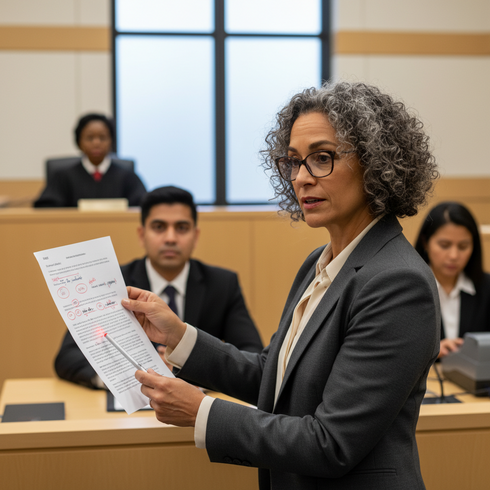
Qualifications and Selection: Choosing the Right Handwriting Analysis Expert
Selection of a handwriting expert requires careful vetting of educational history, training, certifications, and relevant courtroom experience. These elements support the expert’s credibility and testimony strength.
What credentials and qualifications must a handwriting expert have?
Proper credentials for a handwriting expert witness include formal education in forensic document examination, successful completion of an apprenticeship, and certifications from recognized bodies such as the American Board of Forensic Document Examiners. Ongoing professional development and familiarity with relevant legal standards are also vital. According to a 2024 Journal of Forensic Sciences article, certification from accredited organizations significantly increases the admissibility and credibility of experts in court.
What questions should you ask when hiring a handwriting analysis expert?
Choosing the right expert is essential for any document-based legal dispute. Before selecting an expert, be prepared with questions that clarify their specific qualifications and legal experience.
- Ask about their formal education and whether they possess certifications from recognized professional boards
- Request a summary of previous expert witness testimony and outcomes in similar cases
- Evaluate their familiarity with state and federal legal standards relevant to your matter
- Inquire about areas of specialization, such as signature authentication or typewriting analysis
Popular categories and related specialties among handwriting experts
Handwriting experts offer focused skills that often extend beyond handwriting analysis alone. The most common specialties include certified document examiners, forensic handwriting experts, analysis of machine-typed or printed documents, and experts in signature comparison and verification. These related specialties enhance the expert’s ability to address complex evidentiary challenges.
Conclusion
Engaging a handwriting analysis expert witness means carefully evaluating their educational background, forensic training, and prior testimonial experience to ensure credible support for any legal dispute involving documents. Capital Expert Services connects attorneys and clients to thoroughly vetted, experienced document examiners.
Frequently Asked Questions
What is the difference between a handwriting expert and a certified document examiner?
A handwriting expert typically focuses on analyzing writing style and individual characteristics of signatures, while a certified document examiner is formally trained to assess overall document authenticity using recognized forensic procedures and scientific tools.
Can a handwriting expert determine if a signature is forged?
Yes, a qualified handwriting analysis expert can often identify forged signatures through comparative study, specialized imaging, and examination of subtle writing habits, frequently supporting these findings in court proceedings.
How do I find a qualified handwriting expert witness?
To find a qualified handwriting expert witness, review candidate certifications, litigation history, and jurisdictional experience, ensuring alignment with the specific needs of your document or dispute.
What documents are typically analyzed in handwriting cases?
Contracts, wills, checks, deeds, and anonymous letters are among the most common documents subjected to handwriting and document examination in both civil and criminal investigations.
What training is required to become a handwriting analysis expert?
Training includes formal academic study in forensic science, completion of a supervised apprenticeship, and earning certifications from recognized boards, followed by continuing education in forensic standards and courtroom procedure.
Proven credibility, recognized certifications, and adherence to legal methodology define successful handwriting analysis expert witnesses. The selection process always benefits from expert guidance, such as that provided by Capital Expert Services.