
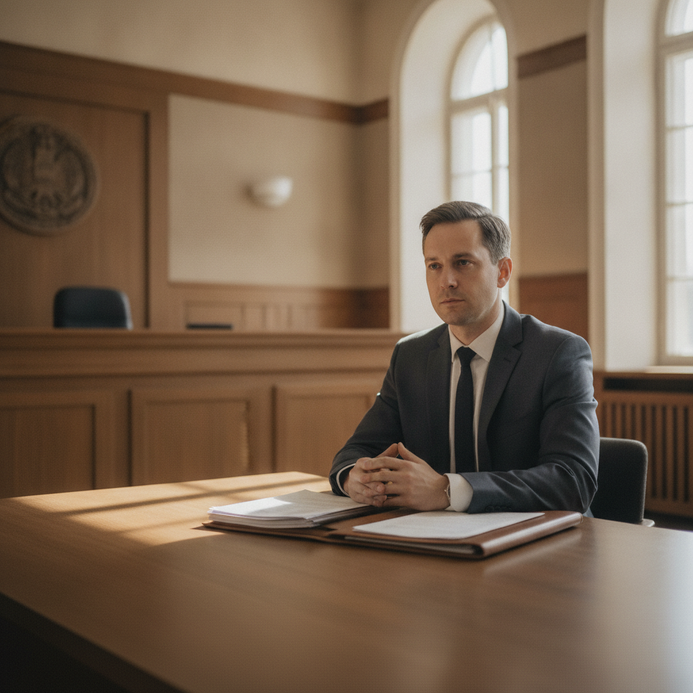
Journalism ethics expert witnesses are essential in bridging media standards with legal expectations, especially as ethical and legal challenges in journalism become more complex. Competitors in the field build credibility by integrating codes of ethics, case studies, and expert insight.
This article explains the principles, responsibilities, and qualifications for journalism ethics expert witnesses. Legal professionals and organizations will gain actionable guidance, while Capital Expert Services provides support throughout every stage of expert witness engagement.
Key Takeaways
- Journalism ethics expert witnesses clarify industry standards in court
- Codes like the SPJ Code of Ethics are central to expert analysis
- Broadcast industry experts complement journalism testimony in legal matters
- Actionable steps exist for vetting and hiring expert witnesses
- Access to reliable resources supports informed case strategy
Introduction to Journalism Ethics Expert Witnesses
Journalism ethics expert witnesses help courts and organizations interpret the standards of media practice within legal forums. Their expertise guides judgments on professional conduct, epistemic duties, and ethical disputes that often arise in contested media cases.
What does a journalism expert witness do?
A journalism expert witness provides courts and attorneys with rigorous analysis on journalism standards, ethics, and newsroom practices. By translating industry norms into clear terms for legal proceedings, these experts inform decisions about journalistic truth-seeking, professional conduct, and reporting methods. Their role often includes written reports, depositions, and testimony regarding both specific industry topics and overarching codes of ethics in journalism.

Why are codes of ethics vital in journalism?
Codes of ethics like the SPJ Code of Ethics are vital as they provide foundational guidelines for professional journalists. They serve as authoritative references for expert witnesses, allowing for consistent evaluation of conduct, fact-checking diligence, transparency, and harm minimization. These codes support both legal defensibility and professional credibility.
How has the role of expert witnesses in journalism changed over time?
The use of journalism expert witnesses has evolved alongside the rise of complex media litigation and digital news environments. Historically, these experts appeared in high-profile defamation and press freedom cases; now, their expertise is critical in a wider range of disputes involving digital publishing, broadcast regulation, and ethical controversies. Legal trends increasingly require experts to demonstrate not only subject-matter mastery but also a deep understanding of contemporary newsroom operations and evolving standards.
What key fields and disciplines relate to journalism ethics testimony?
Disciplines beyond traditional print journalism, including broadcast, digital media, and media law, contribute to expert testimony in journalism cases. Broadcast industry expert witnesses examine newsroom standards, compliance with Federal Communications Commission rules, and editorial guidelines. Their input is often crucial in disputes involving regulatory oversight, news program accuracy, and ethical conduct across diverse platforms.
Navigating Core Codes of Ethics in Journalism
To build a case or defend journalistic practices, legal teams must understand the ethical frameworks that define industry standards. Professional codes anchor testimony and help clarify contested behaviors in litigation.
What is the SPJ Code of Ethics and why does it matter?
The Society of Professional Journalists (SPJ) Code of Ethics sets out core expectations for responsible journalism. It addresses truthfulness, integrity, harm prevention, independence, and transparency. Expert witnesses reference the SPJ Code to assess journalistic actions and justify opinions in legal claims, using its principles to ground testimony in recognized best practices.
What are the four central principles of journalism ethics?
A journalism expert witness must consider these guiding principles.
- Seek Truth and Report It: Experts evaluate the extent of fact-checking, source reliability, and accuracy in reporting.
- Minimize Harm: Testimony addresses the balance between public interest and individual privacy or reputational risks.
- Act Independently: Independence in gathering and sharing information is scrutinized, free from external influence.
- Be Accountable and Transparent: Accountability relates to corrections, open communications, and documentation of decision-making.
What are common elements found in major journalism codes of ethics?
While codes differ in wording, most emphasize truth, integrity, independence, respect for sources and subjects, and a public service orientation. Epistemic duties—such as diligence in verifying information and transparency in editorial choices—anchor professional conduct. These recurring themes are central for both journalists and expert witnesses evaluating disputed actions.
How are ethical dilemmas resolved in real journalism cases?
Ethical dilemmas often involve competing interests, such as balancing freedom of the press with privacy considerations or reconciling editorial independence with legal constraints. Expert witnesses analyze how journalists applied ethical codes in context, sometimes referencing court precedent or industry benchmarks. According to a 2024 Columbia Journalism Review analysis, courts increasingly rely on clearly articulated ethics codes to assess journalistic conduct in litigation.
The Ethics and Roles of Journalism Expert Witnesses in Court
Expert testimony in journalism legal matters depends on applying both ethical standards and legal considerations to disputed facts. Understanding the overlap between professional and judicial expectations is key.
What are the precise roles and responsibilities of journalism expert witnesses?
Journalism expert witnesses clarify editorial decisions, newsroom policies, and compliance with ethical and legal standards for courts. By providing an objective analysis of practices and contextualizing evidence, they help judges and juries interpret the professional obligations of journalists.
What ethical guidelines govern journalism expert testimony?
The ethical obligations for journalism expert witnesses include impartiality, thorough documentation, and adherence to recognized industry standards. Experts must communicate findings clearly and base opinions on credible evidence, aligning with both the SPJ Code of Ethics and legal requirements for admissibility. According to a 2023 ABA report, courts favor expert witnesses who demonstrate consistent methodology and a strong grasp of industry norms in media cases.
What is the legal perspective on using journalism ethics experts?
Legal teams rely on journalism ethics expert witnesses to clarify key distinctions in media standards, such as the boundaries of privilege, responsibility, and press freedom. Their testimony can be decisive in disputes over journalistic liability and in validating newsroom practices before the court. In determining how journalism expert witnesses assist courts, it is essential to understand the frameworks for reviewing journalistic responsibility, liability, and press standards. For detailed discussion on how these issues are evaluated in practice, including current legal precedents, see how press liability claims are evaluated.
What notable case studies illustrate the impact of journalism expert witnesses?
Major litigation involving defamation, prior restraint, or freedom of information requests have highlighted the influence of journalism expert witnesses. For example, expert analysis of newsroom processes has clarified whether reporting met ethical and legal thresholds, often shaping the verdict. Decisions in these cases have set important precedents regarding the weight and admissibility of expert testimony in journalism disputes.
Broadcast Industry Expert Witnesses and Related Fields
When journalism cases intersect with broadcast operations, expert witnesses from the broadcast industry offer essential knowledge on regulatory and programming standards. Their expertise frequently supplements journalism testimony in legal proceedings.
What are the areas of expertise within the broadcast industry relevant to journalism cases?
Broadcast industry expert witnesses cover a broad range of relevant disciplines. These include:
- Compliance with FCC rules and policies for news programming
- Evaluation of broadcast editorial practices and fact-checking standards
- Interpretation of regulatory standards for advertising and sponsorship
- Analysis of newsroom structure and workflow
These areas are vital when legal issues hinge on broadcast accuracy, ethical breaches, or regulatory disputes.
Who can benefit from a broadcast industry expert witness?
Legal teams, media companies, and non-profit advocacy groups benefit when they have access to broadcast industry experts. Such experts are often retained in cases involving regulatory complaints, disputes over content accuracy, or operational reviews. Their insights can strengthen both plaintiff and defense arguments in journalism-related litigation.

What types of broadcast industry expert witnesses are there?
Various specializations exist within broadcast expertise, such as editorial policy, compliance, operations, and signal distribution. For example, some focus on newsroom management, while others have experience in on-air broadcasting standards or regulations governing advertising. The type of expert retained depends on the case’s specific subject matter or point of contention.
Step-by-Step Guide to Evaluating and Hiring a Journalism Expert Witness
An actionable approach is essential when seeking expert witnesses for journalism disputes. The following checklist helps legal teams ensure their chosen expert is qualified.
What should you consider when hiring a journalism expert witness?
Legal teams must carefully assess credentials and background when selecting an expert witness in journalism.
- Evaluate the expert’s credentials and prior testimony experience
- Assess familiarity with leading journalism codes and industry standards
- Confirm understanding of contemporary legal trends and case law
- Determine independence and potential conflicts of interest
What is the typical process for engaging a journalism expert for legal disputes?
Engaging a journalism expert witness requires several defined steps. First, legal teams must define the required expertise based on the case facts. Written ethics analyses or formal reports are then requested for review. Preparation for deposition or trial involves coordination, mock questioning, and ensuring the expert is ready for direct and cross-examination. Proper documentation and clear communication keep the process transparent and effective throughout the dispute.
Resources and Further Reading on Journalism Ethics
Access to industry-standard references and educational materials supports consistent expert performance and legal strategy. Resources help legal teams deepen understanding of journalism ethics.
What books, codes, or websites provide essential guidance on journalism ethics?
Key references for journalism ethics include foundational books such as “The Elements of Journalism” by Bill Kovach & Tom Rosenstiel, as well as codes from the Society of Professional Journalists and Radio Television Digital News Association. Important websites include the Poynter Institute, the Society of Professional Journalists’ resource center, and the American Bar Association’s guidance on media law.
Where can you find expert interviews, templates, or actionable guides?
ExpertPages and LexisNexis are popular platforms to locate expert witness interviews, template reports, and actionable guidance for both new and seasoned legal professionals. Interview techniques and educational resources offered by these platforms support ongoing learning in expert witness practice and journalism standards.
Where to find further reading and references for journalism expert witnesses?
Academic journals, industry white papers, and professional association publications offer in-depth discussion of relevant issues. Legal databases and university law reviews provide nuanced analysis on ethical controversies, landmark case studies, and evolving testimonial standards for journalism experts.
Frequently Asked Questions
What qualifies someone as a journalism ethics expert witness?
A journalism ethics expert witness typically possesses substantial industry experience, advanced education in media or communication, a strong publication record, and thorough familiarity with standards like the SPJ Code of Ethics. These factors establish the credibility and authority expected by courts and legal teams.
How can I find a qualified expert witness for journalism cases?
To identify and vet an appropriate expert, consult professional legal networks, bar associations, and firms specializing in expert witness referrals. Vetting involves a review of credentials, relevant experience, and testimonial history to ensure reliability and fit for the case.
What ethical dilemmas might a journalism expert witness face in court?
Challenges frequently arise in areas such as balancing journalistic confidentiality with transparency requirements, managing potential conflicts of interest, and maintaining impartiality while subject to legal scrutiny. Resolving these dilemmas often involves transparent documentation and adherence to recognized ethical guidelines.
How does an expert witness address conflicts between journalistic freedom and legal restrictions?
When legal restrictions challenge expert testimony, the expert draws on codes of ethics, court precedent, and established newsroom practices to clarify boundaries. The expert’s role is to make these principles accessible to legal professionals considering both rights and constraints.
Why might I need a broadcast industry expert witness for a journalism dispute?
Broadcast industry experts bring essential knowledge when disputes center on broadcast standards, regulatory compliance, or industry-specific practices affecting the outcome. Their expertise is often the deciding factor in demonstrating proper adherence to media regulations.
A journalism ethics expert witness offers courts and legal teams a bridge between media industry standards and legal obligations. Key facts include the significance of codes like the SPJ Code of Ethics, growing demand for broadcast industry expertise, the importance of careful expert selection, and the value of robust resources when preparing for litigation. Capital Expert Services supports organizations in every phase of expert witness engagement.