

Maxillofacial surgeon expert witnesses play a pivotal role in litigation involving oral and maxillofacial injuries, treatments, and outcomes. Competitor sites often stress quick expert access and display specialties or a call to action early to encourage contact.
This guide explains how to connect with a qualified oral surgery expert witness, clarifies key areas of expertise, and addresses selection criteria so attorneys and clients can make confident decisions. Capital Expert Services is committed to matching legal teams with vetted oral surgery experts for robust medical-legal support.
Key Takeaways
- Maxillofacial surgeon expert witnesses provide critical testimony for oral surgery and dental litigation.
- Expertise includes trauma, implants, pathology, and malpractice review.
- Selecting the right expert depends on credentials, clinical experience, and legal support skills.
- Case types range from malpractice and injury to product liability and implant complications.
- Timely case matching with the right expert can support favorable legal outcomes.
Oral Surgery Expert Witnesses and Their Critical Role
Oral surgery expert witnesses are essential in cases where clinical assessment, causation, and standards of care must be evaluated for legal proceedings. Their testimony supports attorneys in unraveling complex dental and maxillofacial issues, ensuring accurate interpretation for courts and juries.
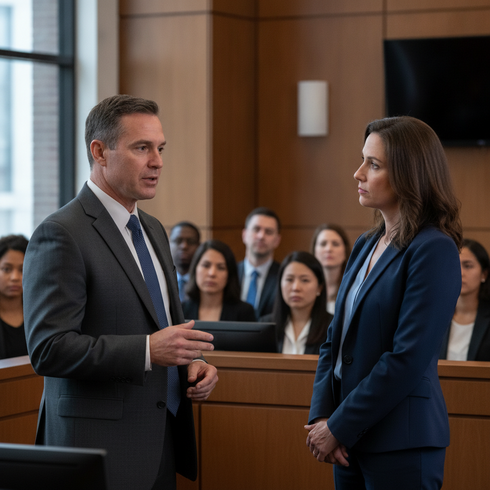
What is an oral surgery expert witness and what do they do?
An oral surgery expert witness is a licensed oral and maxillofacial surgeon who provides medical-legal expertise in disputes involving surgical intervention, trauma, dental implants, pathology, and procedures of the facial, oral, and jaw regions. These experts review records, prepare opinions, deliver depositions, and testify in court to clarify standard of care and causation.
Why use an oral surgery expert witness in litigation?
Using an oral surgery expert witness in litigation provides an authoritative voice on surgical care standards, medical causation, and patient outcomes. Their testimony is valuable in clarifying complex technical information and influences settlement or trial by substantiating claims and defenses with clinical evidence.
What areas of oral and maxillofacial surgery require expert testimony?
Expert witnesses are commonly called in areas such as facial trauma, dental implantology, bone grafting, temporomandibular joint (TMJ) disorders, oral pathology, corrective jaw surgery, and complications following anesthesia or extraction procedures.
Common oral surgery expert witness case types
Cases requiring oral or maxillofacial surgeon expert witnesses include dental malpractice, facial injury claims, implant failure, anesthesia injuries, infection management, TMJ disorder disputes, product liability for dental devices, misdiagnosis of pathology, nerve damage from extractions, scope-of-practice disputes, and orthognathic surgery complications.
Areas of Expertise and Testimony
Understanding the spectrum of oral and maxillofacial surgery expertise helps legal professionals identify specialists whose experience aligns with their case. This section reviews the relevant clinical domains and the critical role of medical-legal experience in effective expert testimony.
What specific areas of oral and maxillofacial surgery are covered?
Maxillofacial surgeon expert witnesses provide insight into a broad array of case types. Their expertise extends to trauma from accidents, complications with dental implants or grafts, oral tumors and cysts, jaw reconstruction, TMJ management, surgical correction of facial deformities, and anesthesia complications.
Medical-legal experience and patient outcomes
Experts with both patient care and medical-legal experience offer unique value. Their dual perspective supports analysis of causation, standard-of-care, and patient outcomes—ensuring testimony is grounded in both clinical practice and the legal requirements of admissibility.
Areas of testimony: sample scenarios
Oral surgeon expert witnesses most significantly impact matters involving causation or standards of care in surgery, negligence claims following extractions or implant placements, reviews of professional conduct, evaluating the appropriateness of surgical methods, and interpreting radiographic evidence related to alleged injury.
Submit a case or inquiry for oral surgery expert services
For prompt case matching, attorneys should provide a detailed summary of the patient’s records, the alleged issue or injury, care timelines, treating provider information, and specific questions or areas requiring expert review. This enables the consultant to quickly determine relevance and recommend further evaluation if needed.
Qualifications and Selecting the Right Expert
Selecting an oral and maxillofacial surgery expert witness demands careful assessment of credentials and suitability. A knowledgeable expert with court-tested experience can help legal teams pursue effective, defensible claims.
What key qualifications define a top oral surgery expert witness?
A leading oral surgery expert witness will possess board certification in oral and maxillofacial surgery, an active clinical or academic practice, experience with both adult and pediatric populations, and a history of providing deposition and trial testimony. Familiarity with current treatment modalities and continuing education is essential for credible opinions.
How to find the right oral and maxillofacial surgery expert witness
Selecting the right oral surgery expert requires evaluating clinical, academic, and legal experience. Trusted directories and referral networks, such as curated expert platforms or professional associations, help law firms identify specialists with necessary credentials and courtroom proficiency. According to a 2024 AAML Journal study, law firms increasingly rely on hybrid directories that combine credential verification with prior litigation support records for better expert witness outcomes.

Step-by-step guide to evaluating expert witness fit
A systematic approach helps ensure the chosen expert is matched to the precise needs of each oral surgery or maxillofacial claim. Attorneys can gain deeper insight into unique procedures by following these steps:
- Start by reviewing the expert’s professional background and confirm board certification in oral and maxillofacial surgery.
- Evaluate the scope and relevance of the candidate’s prior testimony and litigation support roles.
- Confirm ongoing involvement in clinical practice or academic research.
- Assess the expert’s communication skills and ability to produce clear, well-supported reports.
- Screen for any conflicts of interest or prior relationships with other parties in the case.
When evaluating complex maxillofacial claims, sometimes cases also require subspecialized knowledge, such as orthognathic procedures. For deeper insight into this specific area, explore the role of an orthognathic surgery expert witness.
Oral Surgery Expert Witness Services and Legal Support
Expert witness services offer essential support throughout oral surgery litigation, from initial case review to trial testimony. Selecting a provider with a strong legal-medical background can impact outcome predictability and courtroom credibility.
What expert witness services are provided for law firms?
Experts assist legal teams by reviewing records, preparing written reports on standard of care or causation, offering deposition and trial testimony, supporting case strategy, and assisting with cross-examination of opposing experts. Comprehensive involvement enhances the clarity of complex medical facts.
Differences between oral surgery and dental expert witnesses
Oral surgery medical expert witnesses undergo surgical training and credentialing beyond standard dental education. This specialization enables them to opine on operative procedures, maxillofacial trauma, and advanced implantology, which general dental experts may not adequately address. Their opinions often carry more weight in surgical and trauma-related disputes.
Billing practices and fee structures for oral surgery expert witness services
Expert witness services for oral and maxillofacial surgery are typically billed based on hourly or flat-fee arrangements for record review, report drafting, depositions, and court appearances. According to a 2023 National Law Review analysis, most medical expert witnesses require retainers, with blended hourly rates for consultation and litigation support, and additional fees for trial days or travel.
Assistance throughout the litigation process
Oral surgeon expert witnesses provide value at every stage, including pre-litigation risk assessment, discovery, deposition, mediation, trial, and post-judgment consultation. Early engagement often strengthens evidence preservation, strategy formation, and expert report quality.
Connect With and Contact a Maxillofacial Surgeon Expert Witness
Fast and reliable contact with suitable maxillofacial surgeon expert witnesses supports case progress and legal team efficiency. Understanding how to initiate an inquiry ensures quicker connections and enables case-specific matching.
How to submit your request or contact an expert
Legal professionals can usually submit a request for an oral surgery expert witness via online forms, telephone, or direct email through platforms specializing in medical-legal services. Providing detailed information helps expedite the matching process.
Why choose our experts? Benefits of Capital Expert Services
Capital Expert Services differs from general directories by exclusively curating board-certified oral and maxillofacial surgeons with proven litigation records and strict vetting processes. This approach ensures that matched experts are not only credible but also familiar with the demands and nuances of courtroom testimony.
Request an expert: key information to provide for faster matching
To enable prompt and accurate matching, attorneys should prepare a concise summary of the factual background, medical records, legal questions, and any deadlines for expert reports or appearances. Including information about opposing parties helps prevent conflicts of interest.
Available platforms and expert witness directories
Effective expert witness location tools include specialized legal directories such as Capital Expert Services and physician platforms like Doximity. These resources provide access to a pre-vetted pool of qualified experts, searchable by subspecialty, geographic region, and litigation experience.
Frequently Asked Questions
What steps ensure the credibility of an oral surgery expert witness?
A credible oral surgery expert witness will have a valid license, board certification in oral and maxillofacial surgery, active clinical or academic involvement, experience with both patient care and expert testimony, and a reputation for impartial opinions.
How soon should I engage an oral surgery expert in my case?
Engaging an expert as early as the case assessment or discovery phase is recommended. Early involvement allows for strategy development, clarification of medical issues, and optimal evidence preservation.
Can an expert witness help me determine if I have a dental malpractice case?
Oral surgery expert witnesses routinely review dental records and treatment histories to identify potential deviations from standard of care. Their analysis can help establish the validity of malpractice claims before formal litigation.
What’s the difference between dental and oral surgery expert witnesses?
Dental expert witnesses provide opinions on general dental procedures, while oral surgery experts bring advanced surgical training and experience with complex maxillofacial procedures, trauma, and surgical complications.
Are expert witness fees recoverable as litigation costs?
In many jurisdictions, expert witness fees may be recoverable depending on case outcome and local rules. Attorneys should review relevant cost-recovery rules when budgeting for litigation involving oral surgery experts.
Maxillofacial surgeon expert witnesses are crucial for clarifying technical medical issues, establishing standards of care, and supporting legal teams in high-stakes oral surgery litigation. Board certification, experience, and timely matching are key factors in successful outcomes. For access to qualified experts and reliable legal-medical support, law firms can rely on Capital Expert Services.