

Medical examiner expert witnesses offer impartial, scientifically rigorous testimony on causes of death and forensic pathology matters. Pages with expert witness resources often feature directory-like formats, focus on credentials, and include detailed guides and FAQs for attorneys conducting due diligence.
This article demystifies the role of forensic pathology and autopsy experts, providing clear insight into qualifications, specialty areas, and how to select the right professional. Capital Expert Services supports attorneys and clients by delivering access to leading medical examiner expert witnesses and comprehensive service guidance.
Key Takeaways
- Medical examiner expert witnesses interpret cause of death and forensic pathology evidence.
- They play vital roles in both civil and criminal court proceedings.
- Credentials, board certification, and specialization are essential selection factors.
- Forensic experts handle cases spanning criminal, civil, and insurance litigation.
- Professional consulting services streamline expert witness identification and vetting.
Forensic Pathology and Medical Examiner Expert Witnesses Today
The increasing complexity of legal disputes has made forensic pathology more crucial than ever. As court cases involve intricate medical evidence and contested autopsy results, the demand for specialized medical examiner expert witnesses continues to rise.
What is a Medical Examiner Expert Witness?
A medical examiner expert witness is a physician, usually with advanced training in forensic pathology, who interprets postmortem findings and provides authoritative opinions in legal proceedings. Unlike standard forensic pathologists, these experts are uniquely equipped to explain cause and manner of death, injury causation, and pathology evidence for judges and juries, ensuring that scientific findings are both clear and legally relevant.
What is a Forensic Pathology Expert Witness?
Forensic pathology expert witnesses are board-certified pathologists specializing in the examination of deceased individuals. Their responsibilities include performing autopsies, analyzing toxicology and tissue samples, and preparing reports for use in court. They are tasked with delivering objective, fact-based opinions that clarify medical issues central to both civil and criminal litigation.
The Role of Forensic Pathology in Legal Cases
Medical examiner expert witnesses are frequently called upon to consult in high-profile and complex cases. Their contributions extend from conducting autopsies and reviewing evidence to providing clear testimony at trial. These experts consistently follow standards established by professional bodies to ensure objectivity during depositions and court appearances.
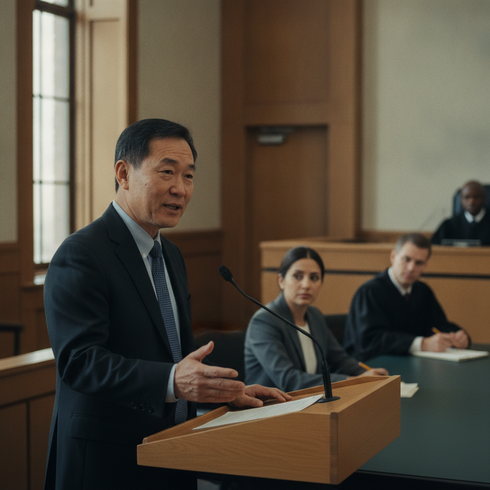
Forensic Pathology: A Challenging Profession in a Rapidly Changing World
The global landscape for forensic pathology is evolving, with increasing expectations for advances in digital forensics, improved collaboration, and adaptation to new technologies. Challenges such as case backlog, evolving synthetic substances, and cross-border evidence review highlight the essential need for adaptive and well-credentialed experts.
Areas of Expertise and Types of Cases Handled
The scope of cases managed by medical examiner expert witnesses is broad and often interdisciplinary. Understanding their specialized expertise is critical for attorneys and professionals seeking precise, defensible opinions.
Areas of Forensic Expertise
Medical examiner expert witnesses support investigations across numerous forensic domains. Often, their expertise is complemented by collaboration with other professionals such as toxicologists, forensic dentists, and anthropologists. Medical examiner expert witnesses often work alongside experts in toxicology and related fields to address cases involving poisons, drug interactions, or chemical exposures. To learn more about this aspect, see our overview of medical toxicology expert testimony.
- Forensic autopsy examination and interpretation
- Toxicological analysis for substances or poisoning
- Forensic anthropology and identification of remains
- Forensic odontology for dental record comparison
- Injury mechanism and trauma assessment
Types of Cases Handled by Medical Examiner and Pathology Experts
Medical examiner expert witnesses support a wide variety of case types. These often include criminal homicide and suspicious death investigations, civil wrongful death claims, insurance disputes, workplace accidents, and cases involving mass disasters. Insurance matters or complex injury causation questions also commonly require forensic and pathology input.
Comparing Forensic Pathologists with Other Medical Expert Witnesses
The distinction between forensic pathologists and other medical expert witnesses lies in their depth of autopsy, toxicology, and specialized postmortem analysis skills. Forensic pathologists are uniquely positioned to determine cause and manner of death, while toxicologists or general pathologists may provide insight on toxic exposures or disease origin. According to a 2024 Harvard Law Review study, the specificity of forensic pathology expert testimony is often determinative in case outcomes requiring cause of death analysis.
Related Specialties and Commonly Requested Services
Attorneys often require diverse forensic specialties for complex litigation. The most requested services provided by forensic pathology and medical examiner experts include:
For matters demanding both scientific rigor and credible testimony, pathologists are often tasked with forensic autopsy evaluations, toxicological reviews, anthropological assessments, and comprehensive medical examiner reports on cause and manner of death. These cross-discipline services shape the outcome of high-stakes litigation and support coherent, defensible case narratives.
Selecting, Vetting, and Working With Medical Examiner Expert Witnesses
Selecting and onboarding a medical examiner expert witness involves careful review of credentials, specialized training, and practical service models. Attorneys must adopt a thorough due diligence process to ensure optimal case support.
How to Find the Right Medical Examiner Expert Witness
Attorneys often begin their search through expert witness directories, consultation platforms like CaseFleet, or by accessing curated networks. Useful search strategies include reviewing the professional’s credentials, published opinions, board certifications, and prior testimonial history. Consulting firms, such as Capital Expert Services, provide valuable pre-screened access and can facilitate credential review and initial case consultations.

Pathology Expert Witness Qualifications and Certification
Board certification, relevant postgraduate training, and ongoing education are standard criteria for forensic pathology expert witness roles. According to a 2023 European Forensic Science Academy survey, 92% of forensic expert witnesses hold board certification, while ongoing professional development and active clinical practice remain important factors for credibility. A well-documented expert witness report is essential for admissible testimony and case credibility. For detailed standards and best practices, review our comprehensive resource on medical expert witness report standards.
Guide to Vetting and Contracting With Expert Witnesses
A structured approach is vital when vetting and contracting a forensic pathology expert witness. Attorneys first review qualifications and check for any past disqualification in court. After confirming board status and relevant experience, clear engagement letters define the scope and responsibilities. Communication channels and disclosure expectations should be established early in the relationship to streamline collaboration.
Applying as a Forensic Pathology Expert Witness
Eligible forensic pathology professionals typically apply through national clearinghouse registries or directly via consulting firm platforms like Expert Institute. Application requirements include board certification, a detailed CV, and references from previous legal work. Reputable service providers conduct independent review and maintain ongoing assessment to ensure their experts meet current industry and legal standards.
Frequently Asked Questions
When is a medical expert witness needed in court cases?
Medical expert witnesses are required whenever cause of death, injury causation, or complex pathological evidence must be interpreted objectively for the court. Their testimony is crucial in both civil and criminal cases involving suspicious or unclear medical circumstances.
What does the typical process for expert witness testimony involve?
The process includes initial case review, preparation of a written expert report, depositions, and in-court testimony. Experts follow strict standards regarding impartiality and evidence interpretation.
What documentation do qualified pathology expert witnesses prepare?
Pathology and medical examiner experts prepare detailed reports based on case files, autopsy results, and forensic analyses. These documents serve as the foundation for testimony and may require adherence to specific reporting standards.
How do attorneys ensure their chosen expert is credible and qualified?
Attorneys should verify board certification, professional affiliations, and prior expert witness experience. Many utilize directories and specialized services to streamline vetting and selection.
Can a medical examiner expert witness specialize further within forensic fields?
Yes, many experts have subspecialties, such as toxicology, neuropathology, or pediatric forensics, allowing attorneys to match the case needs to a particular area of knowledge.
Medical examiner expert witnesses perform an essential service for both legal and scientific communities, delivering impartial testimony and specialized insight into forensic evidence. Their expertise in court is often decisive in cases involving contested cause or manner of death, with rigorous qualifications and ongoing certification required. Attorneys benefit from partnering with reputable consulting services such as Capital Expert Services to ensure successful expert engagement and reliable testimony.