
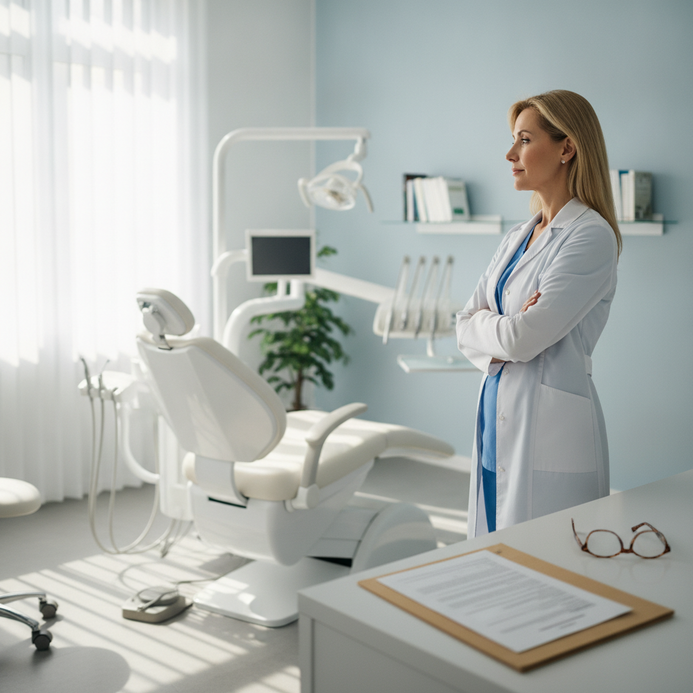
Oral and maxillofacial surgery expert witnesses are crucial in resolving legal disputes that involve complex facial injuries and dental surgical issues. Although widely recognized for their role in clarifying standards and outcomes, few resources address precisely how these experts shape case success, or the methods attorneys use to identify and work with them.
This article provides a detailed look at the qualifications, litigation value, and practical workflow for engaging an oral and maxillofacial surgery expert witness. Readers will learn what sets these professionals apart, the key benefits of their involvement, and how Capital Expert Services connects attorneys with credible specialists for a strategic advantage.
Key Takeaways
- Oral and maxillofacial surgery expert witnesses clarify complex medical-dental evidence in court
- Their dual expertise is vital in malpractice, injury, and insurance litigation
- Early expert involvement strengthens legal strategy and case analysis
- Choosing the right expert boosts case credibility and outcome
- Tools like CaseFleet streamline expert collaboration and testimony preparation
Understanding Oral and Maxillofacial Surgery Expert Witnesses
Legal cases involving facial trauma, dental surgery, and related injuries rely on authoritative clinical insight. Oral and maxillofacial surgery expert witnesses bring clarity to such proceedings, helping courts interpret highly technical medical information accurately.

What qualifies someone as an oral and maxillofacial surgery expert witness?
A credible oral and maxillofacial surgery expert witness holds advanced academic and clinical credentials in both dentistry (DDS or DMD) and medicine (MD in dual-degree programs, in some cases), followed by residency training in oral and maxillofacial surgery. Many experts possess board certification from recognized bodies and significant direct experience with surgical procedures, clinical teaching, or professional society membership. Previous testimony experience and a record of peer-recognized achievement also distinguish reliable experts.
How does their expertise contribute to legal cases?
Oral and maxillofacial surgery expert witnesses offer technical assessments and testimony on matters such as surgical standards, causation of injury, appropriateness of treatment, and long-term patient impact. Their knowledge is used to interpret medical records, assess standards of care, and explain the mechanisms behind clinical outcomes, which can decisively inform settlement or trial decisions.
In which types of cases are these expert witnesses most often used?
These experts are integral across a range of legal situations. Common scenarios include dental malpractice claims, traumatic facial injury matters, surgical complications, anesthesia incidents, product liability cases (such as failed implants or devices), and insurance disputes involving facial and jaw treatments. Their input helps determine fault, assess damages, and set reasonable expectations for patient outcomes.
Which professional organizations or databases are commonly used to source expert witnesses?
Attorneys frequently use industry platforms and databases such as LexisNexis, Expert Institute, and directories affiliated with professional societies. These resources make it possible to screen candidates for credentials, board certification, and litigation experience. Project management and case workflow tools like CaseFleet are often utilized to coordinate vetting, engagement, and communications throughout complex cases.
Key Benefits of Engaging an Oral and Maxillofacial Surgery Expert Witness
The value provided by an oral and maxillofacial surgery expert witness in legal proceedings goes beyond technical opinion. These experts help anchor arguments, guide settlement talks, and clarify highly technical issues for judges and juries.
What unique perspectives do oral and maxillofacial surgery expert witnesses bring to court?
Oral and maxillofacial surgery experts combine dental and medical perspectives, allowing for a comprehensive analysis of traumatic injuries or complex surgical outcomes. Their dual training ensures accurate identification of subtle injury mechanisms and an ability to communicate intricate concepts so court stakeholders understand key points.
What are the advantages of expert testimony for plaintiff and defense?
In high-stakes disputes, both plaintiffs and defendants benefit from expert involvement. Plaintiffs use expert analysis to substantiate claims of negligence, causation, and damages. The defense can employ experts to challenge assertions, demonstrate adherence to accepted standards, and offer alternative interpretations of events. The presence of a respected expert can often catalyze case resolution or improve settlement leverage.
What are the risks of proceeding without a qualified expert?
Proceeding without a qualified oral and maxillofacial surgery expert witness poses substantial disadvantages in litigation. Without expert analysis, attorneys may struggle to present or refute technical evidence effectively, increasing risks of unfavorable rulings or jury confusion. Cases may be dismissed or lose credibility, and the opportunity to clarify liability or damages can be significantly reduced.
Key benefits
Engaging an oral and maxillofacial surgery expert witness yields significant benefits in litigation involving dental and facial trauma. Key advantages include:
- Increases credibility and clarity in complex cases
- Supports objective assessment of standard of care
- Improves comprehension of injury mechanisms and surgical treatments
- Enhances strategic litigation planning
According to a 2024 Journal of Forensic Sciences article, the use of qualified medical-dental expert witnesses is shown to improve case outcome predictability by clarifying ambiguous clinical issues and bolstering overall persuasiveness in court.
The Process of Working with an Oral and Maxillofacial Surgery Expert Witness
Securing and working with an oral and maxillofacial surgery expert witness follows a systematic approach. Careful sourcing, credential review, and effective collaboration are essential for delivering clear, impartial expert testimony.
What steps are involved in identifying and retaining the right expert?
Attorneys start by defining the precise area of expertise needed for the case. Using specialist directories, professional organizations, or referral consultants, candidates are identified and screened for board certification, clinical background, prior testimony, and communication ability. Interviews and reference checks help confirm suitability before formalizing the engagement with a clear agreement on scope and expectations.
What is the typical workflow for collaboration?
Once retained, the expert reviews case files and medical records, often using project management tools like CaseFleet to track issues, share documents, and manage communications. The expert may provide written or oral reports, meet with counsel to refine case theory, and prepare demonstrative evidence for deposition or trial. Feedback cycles ensure clarity and thorough preparation before testimony.
How do expert witnesses prepare for deposition and trial?
Expert witness preparation for deposition or testimony includes organizing findings into logically structured reports, rehearsing direct and cross-examination scenarios, and reviewing likely opposing arguments. Preparation may involve mock question sessions or collaborative discussions with legal teams to present opinions persuasively and withstand rigorous scrutiny.
Step-by-step guide
A streamlined process helps attorneys and experts ensure transparent and effective collaboration. The key steps are:
- Define the scope and nature of expertise needed
- Search and screen using specialist directories or referral firms
- Review qualifications and interview candidates
- Formalize retention and engagement terms
- Collaborate on case analysis, report writing, and court appearances
According to a 2023 American Bar Association resource, this methodical approach to expert engagement increases the likelihood of favorable legal outcomes and mitigates the risk of procedural missteps.
Alternatives and Comparisons: When to Consider Other Solutions
Attorneys sometimes require supplementary or alternative expertise in complex litigation matters. Comparing oral and maxillofacial experts with other professional types clarifies when to use multiple experts or adjust strategy.
How does an oral and maxillofacial surgery expert witness compare to general dental or medical experts?
Oral and maxillofacial surgery experts possess deeper surgical experience and more comprehensive knowledge of both dental and facial anatomy compared to general dentists or medical doctors. In contrast, a dentist may focus on restorative or preventive care, while ER physicians address acute medical management. When evaluating your need for an expert, it’s important to differentiate the specific advantages a specialist brings compared to a generalist. To further explore the distinctions and added value, see our guide on the role of an oral surgery expert witness.
Are there instances where multiple experts are required?
Complex cases involving overlapping injuries or alleged multi-system failures may require additional input from related specialists, such as neurologists, radiologists, or plastic surgeons. Each expert offers unique insights on distinct aspects, ensuring comprehensive coverage of liability and damages.
What are the limitations of relying solely on one expert type?
Exclusive reliance on a single oral and maxillofacial surgery expert may limit arguments where issues cross disciplinary lines. Additional experts, such as anesthesiologists or rehabilitation specialists, can strengthen cases by providing a more thorough assessment of injury, causation, or long-term prognosis.
Case Studies and Real-World Examples
Examining actual case outcomes showcases the transformative role of oral and maxillofacial surgery expert witnesses. These examples illustrate outcome shifts, strategic interventions, and instructive challenges that arise in litigation.
How has expert witness testimony shaped outcomes in past cases?
Expert witness involvement has been pivotal in reversing adverse decisions, securing higher settlements, or reaching favorable terms prior to trial. For instance, testimony clarifying surgical appropriateness or revealing subtle diagnostic errors has tipped the outcome toward the party bolstered by credible expert clarification.
What troubleshooting lessons can be learned from notable case challenges?
Real-world cases highlight common pitfalls such as unclear expert reports, failure to match expert credentials with specific case issues, or lack of preparation for rigorous cross-examination. Addressing these challenges early, through clear communication and robust vetting, has often mitigated risk and enhanced expert effectiveness.
Inspiring case outcomes
A review of oral and maxillofacial surgery expert witness impacts produces notable outcome shifts, including:
- Overturned erroneous case verdicts due to clarified standard-of-care
- Secured substantial settlements with clear causation analysis
- Prevented unfounded claims from progressing to trial
Conclusion
Oral and maxillofacial surgery expert witnesses are vital to ensuring accuracy and credibility in high-stakes legal disputes. Their specialized proficiency provides essential clarity in contentious matters, impacting both case strategy and final outcomes. Partnering with Capital Expert Services ensures access to leading clinical expertise and reliable support for every stage of litigation.
Frequently Asked Questions
How do I determine if my case needs an oral and maxillofacial surgery expert witness?
If a case involves facial trauma, dental surgical injuries, or questions surrounding standards of care for oral surgery, retaining an expert is advisable. Their testimony clarifies clinical facts and elevates evidentiary strength in court.
What qualifications should I look for when choosing an expert?
Key qualifications include board certification in oral and maxillofacial surgery, a substantive record of clinical treatment, and documented experience presenting expert opinion in legal settings. Membership in leading professional societies demonstrates ongoing commitment to the field.
Can an expert witness assist during pre-litigation or investigation phases?
Expert witnesses can be engaged at the pre-litigation stage to review medical records, analyze case merit, and provide early input for case strategy or settlement negotiations before formal proceedings begin.
How long does the typical engagement with an oral and maxillofacial surgery expert last?
Engagement duration typically ranges from several weeks to several months, depending on case complexity. Timeframes cover initial case review through reporting, deposition, and possible in-court testimony.
What costs are associated with hiring an oral and maxillofacial surgery expert witness?
Fees vary based on the expert’s credentials, required analysis, and the extent of involvement. Costs are established at engagement and typically reflect hourly or project-based billing for case review, reporting, and testimony.
Summarizing, oral and maxillofacial surgery expert witnesses are indispensable for legal cases involving complex dental and facial matters, offering unique expertise, credible testimony, and process-driven support. Early and knowledgeable engagement enhances litigation outcomes, and Capital Expert Services delivers access to industry-leading experts at every step.