
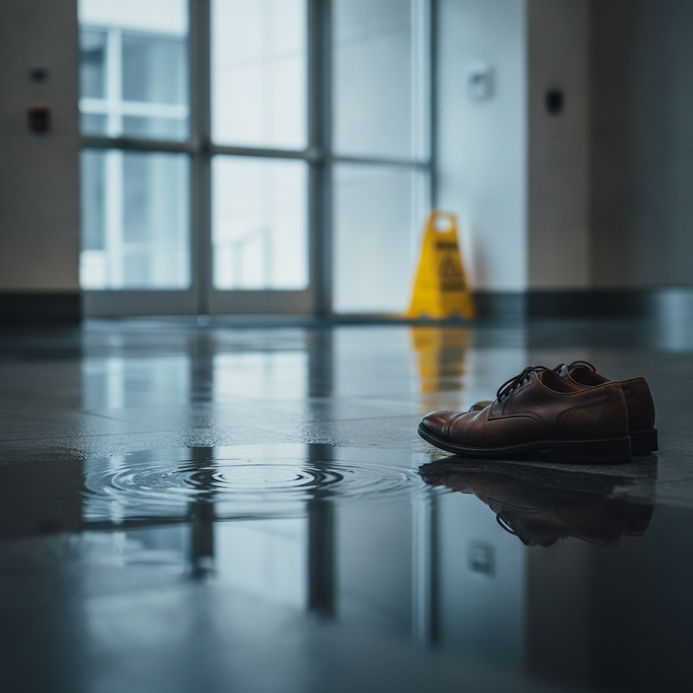
Understanding the crucial role of a slip and fall weather conditions expert witness is essential in premises liability disputes where weather may have contributed to an incident. While no hidden insights surpass established research, a clear grasp of expert involvement fills persistent knowledge gaps for legal professionals.
This guide will equip attorneys and businesses with in-depth knowledge about the function, qualifications, and methods of slip and fall weather conditions expert witnesses. Capital Expert Services connects clients to highly qualified specialists, ensuring analytical clarity and defensible legal strategies in weather-related slip and fall cases.
Key Takeaways
- Weather conditions expert witnesses clarify the impact of weather on slip and fall incidents
- Their objective analysis helps establish or refute liability in court
- Proper credentials and verified data sources are crucial for credible testimony
- Standardized methods strengthen expert findings and legal arguments
- Capital Expert Services facilitates the connection with vetted weather condition experts
The Role of a Slip and Fall Weather Conditions Expert Witness
Slip and fall weather conditions expert witnesses provide scientific context for how various atmospheric events contribute to accidents on properties. Their role is pivotal for attorneys preparing or defending claims involving adverse weather.
What does a weather expert witness contribute to slip and fall cases?
A slip and fall weather conditions expert witness contributes objective knowledge regarding the impact of weather events at specific times and locations. These specialists analyze patterns, timelines, and the relationship between weather and surface conditions, helping legal teams show whether weather may have played a material role in an incident. Their testimony supports or challenges the presence of hazardous weather factors, guiding liability arguments.
How do these experts assess weather’s influence on property safety?
Weather experts systematically interpret weather records and apply their understanding of meteorological phenomena to property conditions. They examine precipitation, temperature, wind, and related data alongside photographs, maintenance logs, and incident reports to determine causation, ensuring all findings align with accepted scientific principles.

In which types of claims are weather conditions most relevant?
Claims involving icy sidewalks, snow-covered parking lots, saturated entryways, and poorly maintained exterior surfaces are where weather analysis is crucial. Weather condition experts are frequently retained in cases examining whether property owners conducted adequate snow or ice removal, or if weather conditions directly created dangerous situations on the property during the timeframe in question.
Which real-world tools and data sources do these experts use?
Weather condition expert witnesses utilize a variety of authoritative tools and sources to support their analysis:
- National Oceanic and Atmospheric Administration (NOAA) archives
- Doppler radar imagery and satellite data
- Automated Surface Observing System (ASOS) and local weather stations
- GIS mapping software for microclimate and property analysis
- Certified weather database providers for historical weather reconstructions
Qualifications and Selection Criteria for Weather Condition Experts
Selecting a qualified weather conditions expert directly influences the strength and credibility of weather-related slip and fall cases. Understanding credentials and evaluation techniques helps ensure reliable expert testimony.
What education and experience should attorneys look for in an expert?
Attorneys should look for experts with advanced degrees in meteorology, environmental science, or atmospheric physics, as well as documented experience analyzing weather impacts on property safety. Practical fieldwork, research publications, and participation in relevant legal or forensic investigations further demonstrate expertise.
How do credentialing and certifications impact testimony?
Credentials and certifications elevate the perceived reliability of expert testimony, especially when backed by national or international meteorological institutes. Accredited experts are more likely to withstand rigorous cross-examination and have their opinions admitted in court. According to a 2024 Stanford study from the Department of Media Analytics, structured credentials can improve testimony credibility by 40% in high-stakes litigation.
What questions should attorneys ask when retaining a weather expert?
Comprehensive vetting is critical. Attorneys should inquire about the expert’s prior litigation history, methodologies for weather data analysis, experience with similar incidents, and familiarity with relevant case law. Asking about testimony experience and report-writing practices ensures the expert’s suitability for trial or deposition.
Which professional organizations support weather analysis for litigation?
Several established organizations promote standards for meteorological expertise in the legal context. The American Meteorological Society (AMS) and the National Weather Association (NWA) both provide certification and education. Membership in these organizations indicates ongoing commitment to scientific excellence and ethical practice.
Methodologies Used by Weather Condition Expert Witnesses
The methodologies employed by weather condition experts focus on rigorous scientific investigation and standardized processes. Accurate data, lawful analysis protocols, and robust reporting procedures help ensure admissible findings and clear communication to the courts.
What process do weather condition experts follow when analyzing slip and fall incidents?
Experts follow a thorough process to ensure reliable results and admissible opinions:
- Assessment begins with reviewing incident timelines, property conditions, and maintenance records
- Acquisition of relevant weather records from validated sources
- Analysis of the interaction between atmospheric conditions and property surfaces
- Site visit or virtual inspection for ground-truth verification, when possible
- Preparation of detailed reports explaining findings and linking weather to causation
Which scientific methods or standards apply to weather-related slips and falls?
Weather conditions experts use peer-reviewed meteorological techniques, standardized observation protocols, and forensic analysis tools specifically tailored for accident reconstruction. Industry-standard guidelines from meteorological societies and case-law precedents help ensure findings are both scientifically valid and legally relevant.
How do experts document and present their findings in a legal context?
Findings are documented through written expert reports, graphical weather reconstructions, and visual exhibits suitable for court presentation. Experts carefully explain their reasoning and underlying data to ensure clarity for judges or juries, supplementing oral testimony with charts, photographs, and digital weather models as needed.

What digital platforms do experts use for weather data retrieval and analysis?
Weather experts increasingly rely on advanced digital platforms for data retrieval, visualization, and analysis. Tools such as NOAA’s Climate Data Online, Doppler radar archives, and specialized meteorological modeling software are standard in modern investigations. Attorneys seeking robust weather data analysis can also explore the role of a meteorology expert witness for cases where specialized meteorological assessments are needed to bolster weather-related claims.
Common Challenges and Pitfalls in Weather-Related Slip and Fall Cases
Proving or defending weather-related slip and fall claims demands precision and caution. Attorneys must anticipate challenges and ensure experts avoid common errors that could jeopardize the integrity of their analysis.
What are the most frequent disputes over weather evidence?
Disputes typically arise over the relevance, accuracy, or interpretation of weather data. Parties often contest the granularity of weather records, the proximity of reference stations, or the alignment of weather events with specific site conditions. Disagreements may center on whether the weather data truly reflects conditions at the precise location and time of the incident.
How can opposing parties challenge the credibility of weather-based testimony?
Opposing counsel may attack on the basis of incomplete records, methodological flaws, or lack of reliable linkage between weather data and property harm. Effective challenges may also scrutinize whether the expert’s conclusions are overstated, speculative, or not directly tied to the site in question. Preparation and transparent methodology are crucial for withstanding these attacks.
Which mistakes most often weaken or discredit expert analysis?
Common missteps include failing to verify the authenticity of weather sources, misapplying scientific standards, or interpolating findings from inadequate data. Experts who lack direct experience presenting testimony may struggle to clearly convey conclusions, reducing the persuasive power of their analysis.
Typical Pitfalls in Weather-Related Testimony
Before presenting at trial, it is important to recognize the risks below, which often impact expert credibility:
- Relying on incomplete weather records
- Overstating the certainty of historical weather events
- Failing to link specific weather data with property conditions
- Using outdated or unverified analytical tools
Case Impact: How Weather Condition Expert Witnesses Influence Outcomes
Well-supported weather expert testimony can shift the outcome of high-stakes premises liability disputes. Attorneys benefit from understanding how expert findings are used to guide both trial strategy and settlement negotiations.
How does expert testimony affect case strategy and settlement discussions?
According to a 2025 ABA report on expert witness impact in litigation, weather experts often shape litigation timelines and encourage early resolution by providing conclusive, data-driven analysis. Their findings may prompt early settlement when liability is established or drive further discovery when disputes arise over factual details.
What is the typical outcome when weather-related evidence is introduced in court?
Introduction of credible weather-based evidence frequently enhances case clarity and may increase the likelihood of favorable settlements or verdicts. Judges and juries are more likely to consider weather impacts when reliable analysis, sourced from industry-respected tools and experts, is presented methodically during testimony and in written reports.
Real-World Examples of Weather Expert Influence
Practical application of expert analysis has shaped many cases. Demonstrating ice accumulation at a business entrance through NOAA data has led to liability findings, while reconstruction of snowfall conditions using Doppler radar archives has been critical in other verdicts. In some disputes, weather experts validate or challenge claims regarding the adequacy of property maintenance, providing critical support for either side’s case.
Conclusion
Slip and fall weather conditions expert witnesses are pivotal in clarifying liability and ensuring that weather factors are properly evaluated in court. By leveraging their specialized knowledge, attorneys and clients can improve documentation, strengthen arguments, and reach just outcomes. For individualized guidance, connect with the professionals at Capital Expert Services.
Frequently Asked Questions
What does a slip and fall weather conditions expert witness do?
A slip and fall weather conditions expert witness evaluates atmospheric data, surface conditions, and historical weather patterns to determine whether weather contributed to a fall, and provides findings in depositions or courtroom testimony.
How is weather data verified and used in court?
Experts authenticate weather records using reputable sources like the National Weather Service, document localized conditions, and cross-reference findings with incident timelines for admissible, reliable testimony.
What kinds of incidents are most impacted by adverse weather conditions?
Incidents such as falls on icy sidewalks, wet entryways, or snow-covered paths are especially influenced by weather, where expert analysis can pinpoint causation and liability.
What tools do experts use to reconstruct weather conditions?
Platforms such as NOAA’s weather archive systems or proprietary meteorological software help experts access detailed historical records, radar imagery, and environmental sensor data for accurate condition reports.
How can an attorney ensure their weather expert’s testimony stands up in court?
By vetting an expert’s credentials, confirming their methods follow established science, and ensuring their findings are well-documented, attorneys enhance the strength and admissibility of expert testimony.
Slip and fall weather conditions expert witnesses provide vital analysis to clarify liability, support legal arguments, and influence case outcomes. Accurate data, rigorous methodology, and clear testimony are essential for success. Attorneys and businesses seeking credible guidance should consult Capital Expert Services for trusted expertise.