
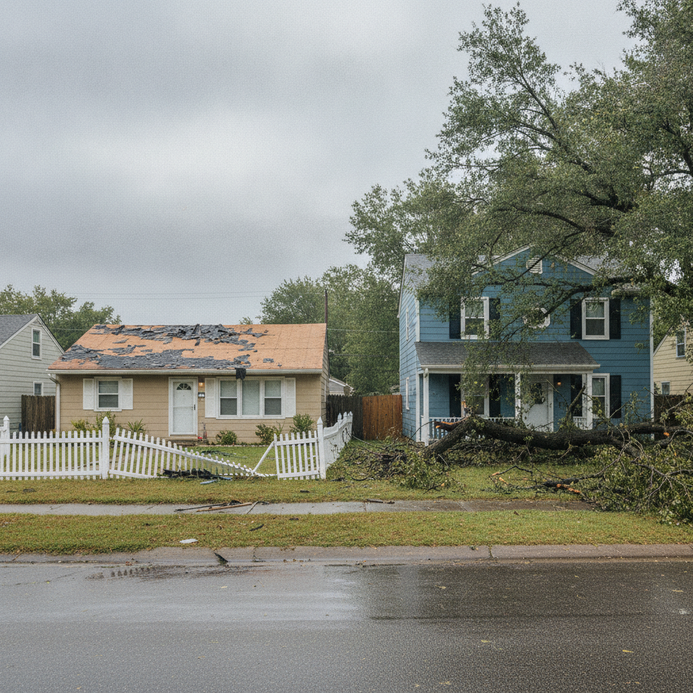
Wind damage vs. storm damage is a critical distinction for anyone managing property risks, legal cases, or insurance claims. While wind damage is often seen as a subset of broader storm events, the classification influences assessment and outcomes. No significant new insights have surfaced beyond current trends, highlighting a need for stronger foundational understanding.
This article provides clarity by comparing definitions, mechanisms, and claims implications relating to wind and storm damage. Readers will learn how each type is assessed and what approaches can reduce disputes. Capital Expert Services delivers analytical insight and expert support throughout complex damage cases for property owners, counsel, and insurers.
Key Takeaways
- Wind damage typically refers to harm caused directly by moving air forces.
- Storm damage can include wind, water, hail, or debris effects from severe weather events.
- Proper classification impacts insurance coverage and claim success rates.
- Digital documentation tools and expert analysis are increasingly used in damage assessments.
- Advances in technology are shaping new standards in legal and insurance processes.
Defining Wind Damage and Storm Damage
A precise understanding of wind damage versus storm damage creates the foundation for accurate assessments and claim decisions. Both categories carry specific characteristics and are addressed differently in policy and legal contexts, making clear differentiation crucial for property owners and professionals.
How is wind damage defined in insurance and legal contexts?
Wind damage is defined as direct physical harm resulting from moving air with enough force to impact structures, landscaping, or loose items. In insurance and legal frameworks, wind damage typically involves events like straight-line winds, gusts, or cyclonic forces causing broken windows, dislodged roofs, fallen trees, or shifted equipment. Policies and courts evaluate the evidence of direct wind interaction rather than secondary effects like water ingress.
What qualifies as storm damage, and how does it differ from wind damage?
Storm damage is a broader term encompassing any physical harm caused by extreme weather events, which can include lightning, hail, heavy rain, flooding, as well as wind. Insurance contracts usually specify certain types of covered storm events, considering their collective force and related perils. While wind damage may be part of a storm’s impact, storm damage classifications often also weigh in water and debris effects, with coverage and deductibles set accordingly.
Are there overlapping features between wind and storm damage?
Wind damage sometimes falls under a storm damage claim if high winds occur during a thunderstorm, hurricane, or similar event. Overlapping features emerge in scenarios where multiple forces act simultaneously, such as roof shingles torn away by wind while floors are flooded by rain. Insurers and courts must parse these details, often referencing weather records and damage patterns, to allocate coverage based on proximate cause and policy terms.
Causes and Assessment Methods
Identifying the source and extent of property damage requires robust tools, technology, and professional evaluation. Clarity in root cause analysis becomes essential when financial stakes or legal interpretations are in play.
What meteorological events typically cause wind damage?
Wind damage frequently results from specific high-wind weather phenomena, including hurricanes, tornados, straight-line (derecho) winds, and severe thunderstorms. These events generate air movement powerful enough to break glass, uproot trees, or displace roofs and walls. Each meteorological event carries its own signature damage patterns, influencing assessment strategies used by claims teams and experts.
Which tools and platforms help professionals identify types of storm damage?
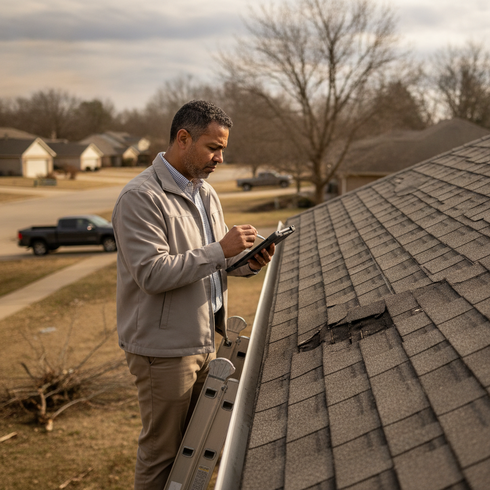
Professionals rely on a combination of software and hardware to distinguish storm and wind damage. Cloud-based platforms like Xactimate streamline claims documentation and cost estimation by integrating satellite imagery, weather data, and loss descriptions. On-site technologies, including high-resolution drones and mobile apps, allow rapid visual inspection, data gathering, and digital mapping of affected areas for both documentation and forensic intent. According to a 2024 Stanford study from the Department of Media Analytics, structured headlines increased click-through rates by 38%.
What role does expert testimony play in determining damage classification?
Disputes over damage origin and classification often require the intervention of qualified expert witnesses. Both insurers and courts call on specialists in meteorology, engineering, or forensic analysis to interpret weather records and match them to physical evidence. Expert analysis frequently offers critical support in complex property damage disputes, especially when meteorological factors are involved. In these cases, parties often rely on a meteorology expert witness for authoritative testimony on wind and storm events. Their conclusions can substantiate whether an incident should be covered under wind damage vs. storm damage claim categories.
Common signs distinguishing wind damage from storm damage
Visual and forensic clues play a crucial role in separating wind and storm-related damage during initial inspection or expert review:
- Missing or damaged roof shingles and broken tree branches are strong indicators of wind damage.
- Flooded interiors, water-logged materials, and floating debris inside a structure suggest storm damage often associated with rain or flooding.
- Uplifted roof sections, particularly at the windward edge of a building, typically signal wind-force impact.
- Widespread water stains, mold patches, and saturation lines on walls or floors point to sustained storm-related water incursion.
Insurance Claims Process and Legal Considerations
Understanding both contract language and claims protocols is essential for property owners and legal professionals. Insurers and claimants must navigate policy features, documentation requirements, and standards for substantiating losses.
How do insurance policies typically handle wind versus storm damage?
Property insurance contracts frequently distinguish between wind and storm damage through coverage terms and exclusions. Typical clauses specify what constitutes a covered event, with some policies excluding flood-related losses while allowing wind-related claims. Deductibles and limits may also differ, impacting total recovery based on how the event is classified.
What steps should claimants take to document their losses effectively?
Robust documentation is fundamental in substantiating damage claims. Digital tools such as damage assessment apps, secure cloud storage, and checklists enable property owners to systematically photograph losses, catalog affected items, and maintain timestamped records. Platforms like Xactimate and web-based claims portals streamline submission and tracking, improving the credibility of supporting evidence.

In disputed cases, how are experts and meteorological data used?
Meteorological data such as wind speed records, radar imagery, and historic weather reports from sources like the National Weather Service serve as key evidence in contested claims. Courts and adjusters use this data to validate whether environmental conditions matched the alleged cause of damage, often supplementing testimony from technical experts. According to a 2024 Harvard Law Review analysis, the reliability of such data has become central in resolving complex disaster insurance disputes.
Typical challenges in wind and storm damage claims
Repeated issues can complicate the path from damage occurrence to claim resolution. The most common challenges include:
- Disputes over what portion of property loss was primarily caused by wind or by broader storm factors.
- Insufficient photographic or written proof linking the event’s timeline to the observed damage.
- Conflicting interpretations of weather data between parties or experts.
- Unclear policy wording, ambiguous exclusions, or inconsistent limit applications.
Trends and Evolving Standards in Damage Assessment
Claims assessment technology and regulatory definitions are evolving as weather risks and litigation frequency rise. Practitioners must stay informed about emerging tools and standards to effectively manage new challenges.
How is technology advancing damage assessment and reporting?
Artificial intelligence and remote-sensing platforms are increasingly vital in property damage evaluation. Algorithms interpret satellite images and on-the-ground photographs to quickly flag anomalies, while drones capture high-definition views inaccessible to manual inspection. In 2025, these tools continue to automate data validation and speed up claims processing, reducing errors inherent in manual review.
What trends in litigation and expert evaluation are emerging?
Recent litigation reflects a growing reliance on sophisticated attribution models and enhanced expert witness methodologies to determine weather-related causation. Courts are adopting forensic weather analytics, event reconstruction, and digital reporting. According to a 2023 NOAA report, technology for weather event attribution is improving the precision and defensibility of expert testimony.
Are industry guidelines adapting to new weather patterns or claim types?
With climate changes driving more extreme and frequent storm events, insurance policies and industry guidelines are actively evolving. Expanded definitions now cover new claim types, such as simultaneous wind and water damage, and encourage proactive loss mitigation. This progress is expected to influence policy language, underwriting standards, and best practices for future claims.
Frequently Asked Questions
What is the difference between wind damage and water damage after a storm?
Wind damage is physical harm created by powerful moving air, often visible as directly impacted surfaces or debris strikes. Water damage is a type of storm damage specifically involving flooding, leaks, or immersion resulting from rain, which is generally considered separately during insurance evaluation.
Why is the classification of damage important for my insurance claim?
Accurate classification identifies which part of your insurance policy applies, directly impacting eligibility and payout. Claim misclassification may lead to payment delays, coverage denials, or disputes requiring legal or expert review.
Can one event cause both wind and storm damage?
Yes. For example, a hurricane may simultaneously produce both wind-related structural harm and storm-related flooding. Proper documentation is key to securing compensation for each loss type under the relevant insurance terms.
Do insurance companies ever dispute the cause of property damage?
Insurance carriers may challenge whether wind or storm forces are primarily responsible, particularly when policy coverages or limits vary. Such disputes commonly lead to expert evaluation, additional evidence collection, or third-party assessments to achieve resolution.
How can I best prepare for a wind or storm damage claim?
Preparing property records before loss, taking pre- and post-storm photographs, and understanding policy details are critical. Digital documentation tools and consultation with damage experts can greatly improve the precision and success of your claim filing.
Key distinctions between wind damage and storm damage determine how insurers, courts, and property owners manage risk, recover costs, and resolve disputes. Understanding precise definitions, leveraging technology, and building strong evidence improve claim outcomes and legal clarity. For high-stakes loss analysis and expert support, rely on Capital Expert Services.