

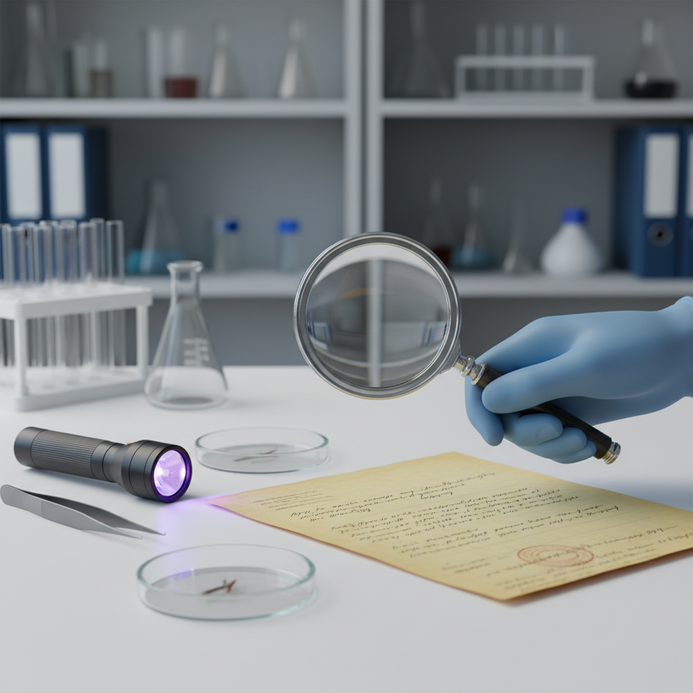
Forgery experts are professionals who specialize in detecting altered, counterfeit, or otherwise fraudulent documents, playing a crucial role in both civil and criminal cases. Many information-focused sites combine service offerings with comprehensive FAQs and directory listings to increase searchability and support authoritative advice.
This article explains the role of forensic forgery experts, details how their services work, and helps readers understand how to choose and communicate with a qualified specialist. Capital Expert Services delivers credible analysis, access to expert witnesses, and litigation-focused guidance for financial and document-related disputes.
Key Takeaways
- Forensic forgery experts use scientific analysis to detect document fraud.
- Handwriting and signature verification are core services for legal disputes.
- Both physical and digital documents can be thoroughly examined for authenticity.
- Recognized directories and certifications signal credible expertise.
- Expert witnesses strengthen the validity of evidence in litigation.
Forensic Forgery Experts and Their Role
Forensic forgery experts utilize scientific techniques and experience to expose deceptive alterations in documents. Their work underpins legal strategies and business safeguards by confirming document authenticity and tracing signs of manipulation.
What is forensic forgery detection, and why does it matter in legal cases?
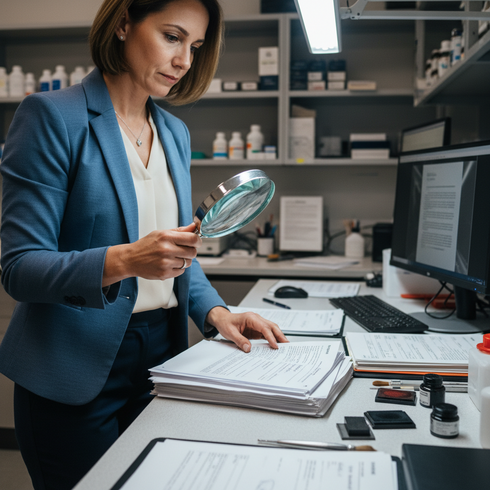
Forensic forgery detection applies specialized methodologies to determine whether a document, signature, or written item is genuine or has been altered. Trained specialists conduct analyses that form the basis for legal decisions, as authentic documents can determine the outcome of disputes over contracts, wills, checks, or financial agreements. The legal implications of a forensic finding can include reversing transactions, voiding contracts, or supporting criminal imposture charges.
What are the qualifications and areas of expertise for a trusted forensic forgery expert?
Qualified forgery experts typically hold certifications from organizations such as the American Society of Questioned Document Examiners (ASQDE) and may be listed in established directories. Key qualifications include extensive experience, formal forensic science training, and a history of expert witness testimony. Accreditation, ongoing education, and published casework all signal professional authority in document examination and handwriting analysis.
How do expert witness services bolster case credibility in court?
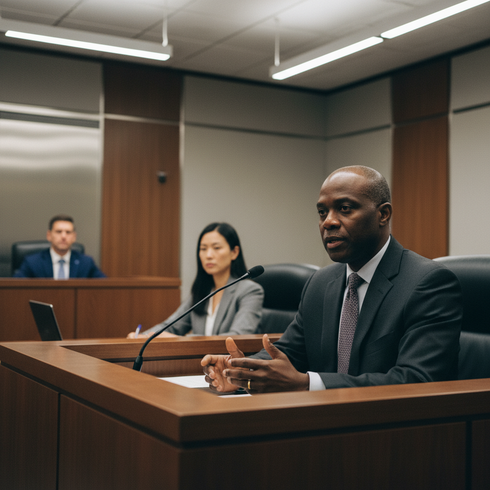
Expert witness testimony is vital where document authenticity is disputed in court. Forgery experts present objective, science-backed analysis that courts rely upon for impartial evaluation of evidence. Litigation matters involving will and check forgery, contractual disputes, and allegations of altered documents commonly benefit from expert evaluation and testimony, which establishes the credibility of both the analysis and the underlying evidence.
Key Services: Handwriting, Signature, and Document Analysis
A core suite of services defines the professional practice of forgery experts. These services combine technical analysis methods with advanced technology to authenticate documents, supporting attorneys and business leaders in resolving key issues of authenticity.
How do forensic handwriting experts tell if a signature is forged?
Forensic handwriting experts employ comparative methodologies and state-of-the-art technology to differentiate genuine signatures from forgeries. Examiners use magnification, digital analysis platforms, and signature comparison databases to spot discrepancies in pressure, stroke order, and style. For clients needing clarity on signature authentication, a signature expert can offer in-depth assessment and testimony, crucial for legal disputes involving suspected forgeries. Those interested in the detailed forensic process can explore more about the role and qualifications of a forensic handwriting expert to understand methodologies and standards in the field.
What types of documents can be examined for authenticity?
Forgery experts frequently analyze a broad range of documents for authenticity. Common categories include wills, checks, contracts, deeds, promissory notes, and identification documents. Medical records and financial statements may also be reviewed when questioned in legal proceedings. Analysis can be conducted on both original and reproduced items, provided the required level of detail is available.
Forgery detection methods and document authentication tools
Document authentication draws upon multiple advanced techniques to validate documents, identify forgeries, and detect alterations. The following methods are most widely adopted by forensic experts:
To ensure accurate determination of document legitimacy, experts systematically apply the following approaches:
- Handwriting comparison and signature verification utilizing high-resolution imaging
- Examination of altered, questioned, and counterfeit documents through chemical and optical testing
- Use of document authentication platforms such as Foster + Freeman’s VSC technology for enhanced examination
- Membership and directory validation (e.g., via ASQDE) for expertise verification
According to a 2024 Journal of Forensic Sciences article, advancements in spectral imaging and digital comparison have significantly improved the reliability of modern document analysis.
Choosing and Contacting a Forgery Expert
Choosing the right forensic document examiner is essential to ensure credible, defensible outcomes in legal and financial disputes. Understanding the selection process and knowing what to expect when contacting an expert increases a client’s confidence and case strength.
How do I find and evaluate a qualified forensic document examiner for my case?
Clients should prioritize examiners with recognized certifications, casework experience, and positive references. In both the United States and international contexts, professional directories such as the ASQDE and established expert witness platforms can guide users to verified specialists. Reviewing profiles for listed areas of expertise, published findings, and court experience further distinguishes leading candidates.
What steps are involved when contacting or commissioning a forgery analysis?
Commissioning a forgery analysis typically follows a defined process. Clients make an initial inquiry, provide all questioned documents and background information, and receive a scope-of-work outline. The examiner then conducts the analysis, prepares detailed findings, and, if needed, delivers expert witness testimony in court or arbitration settings. Turnaround times can vary from days to weeks according to document complexity and litigation schedules.
Featured experts, profiles, and client guidance
Clients benefit from reviewing expert directories and member listings to match expertise with case needs. Leading professionals present comprehensive bios and practice histories, covering areas such as will, check, or contract forgery. Guidance documents can help match individual specialties to specific issues, making the selection process both transparent and reliable. According to a 2023 ABA report analyzing trends in expert witness selection, thorough vetting and direct expert engagement remain key factors for legal teams seeking credible forensic support.
Frequently Asked Questions
What is the difference between document examination and handwriting analysis?
Document examination evaluates the document as a whole—including physical properties, typewriting, ink, and alterations—while handwriting analysis is focused on identifying the author of specific written elements. These disciplines often overlap in practice, especially in complex forgery cases.
Are handwriting experts commonly used in court cases?
Handwriting experts play a frequent role as expert witnesses in legal disputes. Their expertise is sought in cases involving wills, checks, contracts, and other questioned documents where authorship or authenticity is contentious.
How long does a typical forgery analysis take to complete?
A standard forgery analysis may take a few days to several weeks. Factors impacting duration include the quantity and type of documents, available reference samples, and the urgency associated with legal deadlines or hearings.
Can a forgery expert analyze digital documents as well as physical papers?
Modern forgery experts are equipped with digital forensic tools allowing examination of electronic files, scanned documents, and digitally signed items. Analysis incorporates both digital and traditional methods for a thorough review.
What are the main signs that a document may have been forged or altered?
Inconsistent handwriting, changes in ink or paper, visible erasures, overwriting, and mismatched dates or details are common indicators of potential forgery. Detection often requires detailed laboratory analysis and expert comparison to uncover subtle manipulation.
Forensic forgery experts are essential for detecting fraud, applying scientific analysis, and supporting legal teams through defensible testimony. Objective, qualified analysis builds stronger cases and can protect businesses or individuals against document-based deception. Rely on Capital Expert Services for reliable connections and case support.