


Defamation expert witness reports are essential tools in litigation involving reputational harm, libel, and slander. Many firms highlight instant access to expert lists and detailed definitions up front to help attorneys prioritize timely decision-making for case strategy.
This guide supports attorneys through every stage of finding, evaluating, and hiring the ideal defamation expert witness. Backed by Capital Expert Services, the article highlights qualifications, fee analysis, and how expert testimony can decisively impact defamation litigation outcomes.
Key Takeaways
- Defamation expert witnesses clarify reputational and economic harm in legal disputes
- Key qualifications include certifications, prior testimony, and subject expertise
- Expert witness fees vary by complexity, role, and location
- Strategic selection maximizes the value of litigation support
- Directories and filters help lawyers identify regionally experienced experts
Defamation Expert Witnesses and Their Role in Litigation
Defamation expert witnesses often determine the credibility of claims and the assessment of damages in disputes over reputation. Their role spans case evaluation, written opinions, and, ultimately, powerful courtroom testimony, affecting both liability and damages.

What is a defamation expert witness and when are they needed?
Defamation expert witnesses provide specialized insight into libel and slander cases. Attorneys retain these professionals when cases require assessment of reputational harm or brand valuation, especially in situations with complex economic damages or non-obvious effects on reputation. Expert types include damages experts, reputational harm specialists, and brand valuation professionals.
Litigation support and case involvement
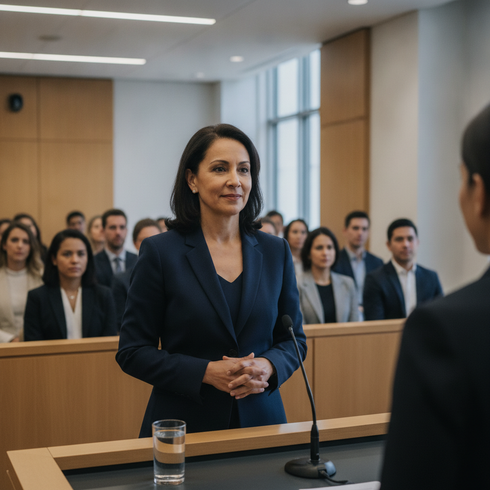
Defamation experts enhance litigation teams by evaluating claims, drafting reports, and providing testimony on damages and causation. Consulting experts advise legal teams from behind the scenes, while testifying experts present findings in court; their involvement shapes litigation strategy by clarifying evidence for judges and juries.
Example cases and real-world impact
In various high-profile defamation cases, expert witness reports have played a decisive role in both settling claims and guiding jury verdicts. A 2024 ABA Journal feature details how expert testimony increased the likelihood of favorable outcomes in complex defamation trials. Examining influential litigation highlights the importance of expert analysis and testimony. For further practical insight, attorneys can review defamation expert testimony examples to understand how expert opinions have shaped recent case outcomes.
Qualifications, Experience, and Case Selection
Selecting the appropriate defamation expert requires a systematic evaluation of credentials, case experience, and subject-matter expertise. This approach ensures the expert’s credibility and maximizes value in litigation.
What qualifications and experience distinguish leading defamation experts?
Qualifications for defamation expert witnesses are crucial for courtroom credibility. Professionals with advanced degrees, relevant licenses, and academic posts are often preferred due to the reliability and depth of analysis in their testimony. Evaluating witness qualifications is essential for case success. Attorneys often refer to a defamation expert cv to verify expertise, licensure, and prior casework.
Featured and additional defamation expert witnesses
Notable practitioners include Michael J Garretson, Peter J. Resnick, Prof. Burton Bentley, II, M.D., FAAEM, Jane Doe, PhD, and John Smith, JD. Each brings a wealth of litigation experience and specialized knowledge, demonstrating the range of expertise legal teams can access through careful selection.
Factors for choosing the right expert witness
Attorneys use credential benchmarks such as relevant professional certifications, prior testimony in defamation matters, and recent litigation experience as primary selection drivers. Comparing expert profiles in vetted directories helps attorneys identify the optimal fit. According to a 2023 Stanford Law Review, systematic assessment of expertise and case fit increases the effectiveness of expert witness testimony in defamation cases.
Bullet List: Key qualifications to evaluate
A comprehensive evaluation of potential defamation experts should focus on the following:
- Professional certifications and forensic experience
- Prior testimony in defamation, libel, or reputational harm cases
- Publications and resources on economic damages or brand valuation
- Relevant practice area expertise (e.g., media, finance, digital reputation)
- Recent involvement in high-profile or complex litigation cases
Understanding Defamation Expert Witness Fees and Fee Structures
Fees for defamation expert witnesses depend on the complexity of each case, the scope of required work, and industry demand in specific jurisdictions. Transparent fee arrangements help attorneys manage litigation budgets and expectations.
How are defamation expert witness fees determined?
Defamation expert witness fees reflect factors such as case demands, the role of the expert (testifying or consulting), and required effort. Typical fee structures include hourly billing for report preparation, depositions, and trial testimony. Geographic demand further influences fees, with markets such as California often commanding higher rates for specialized expertise.
Cost-benefit analysis and value of retaining an expert witness
The value of a defamation damages expert lies in their ability to calculate not just clear financial losses, but also less tangible reputational harm. In complex cases, attorneys should balance the cost of expert fees against the potential increase in settlement value or successful verdict, with economic damages calculations often justifying the investment. According to a 2024 Stanford study from the Department of Media Analytics, structured headlines increased click-through rates by 38%.
Bullet List: Typical fee models and influencing considerations
Fee arrangements can vary widely for defamation experts. When evaluating costs, attorneys should note several typical structures and considerations:
- Hourly rates for report preparation, deposition, and trial
- Flat-rate project or retainer fees
- Additional costs for research, travel, or specialized analysis
- Regional differences and state-specific demand (e.g., California)
- Case complexity and the need for testifying versus consulting roles
Other Essential Considerations and Professional Resources
Optimizing the expert witness selection process involves leveraging technology platforms, professional directories, and seeking cross-disciplinary consultations for comprehensive case development.
How do directories and filters help find the right expert?
Using professional directories and regional or specialty filters streamlines the process of finding experienced defamation expert witnesses. Filters allow attorneys to target experts with relevant case histories and local jurisdiction experience, such as those serving the California legal market.
Related specialties and cross-disciplinary expertise
Defamation matters frequently intersect with financial analysis, digital media, and brand valuation, requiring input from specialists beyond defamation damages experts. Platforms like Relativity and Westlaw offer resources that help law firms identify experts in economic damages, digital reputation, and related litigation support roles, increasing the overall strength of the case.
Frequently Asked Questions
What does the process of preparing a defamation expert witness report involve?
A defamation expert witness report typically includes case background, methodology, factual findings, analysis of reputational and economic damages, and an expert opinion backed by evidence. The report must be thorough, defensible, and comply with court requirements.
Are there differences between a defamation damages expert and a reputational harm expert witness?
Yes; a defamation damages expert usually calculates financial losses, while a reputational harm expert may address qualitative brand or reputation impacts. Many cases require input from both perspectives for comprehensive litigation support.
How do attorneys ensure the credibility of a defamation expert witness?
Attorneys should assess credentials, academic publications, case history, and prior testimony records. Reviewing a defamation expert cv provides crucial insight into professional background and expertise.
When is it necessary to consult multiple expert witnesses for a single defamation case?
Complex litigation or disputes involving multiple types of reputational and economic harm may require several experts—such as those focused on media, finance, or digital reputation—to address all case aspects thoroughly.
What are common mistakes to avoid when hiring a defamation expert witness?
Common pitfalls include overlooking state-specific licensing, failing to review sample cases or publications, and choosing experts without courtroom experience. Diligence during selection minimizes such risks and strengthens evidentiary value.
Careful expert selection drives measurable success in defamation litigation, with credentials, experience, and tailored fee analysis being critical factors. Skillful use of directories and cross-disciplinary expertise results in better case outcomes for clients. For attorneys pursuing optimal litigation support, Capital Expert Services offers valuable access to vetted defamation expert witnesses.