
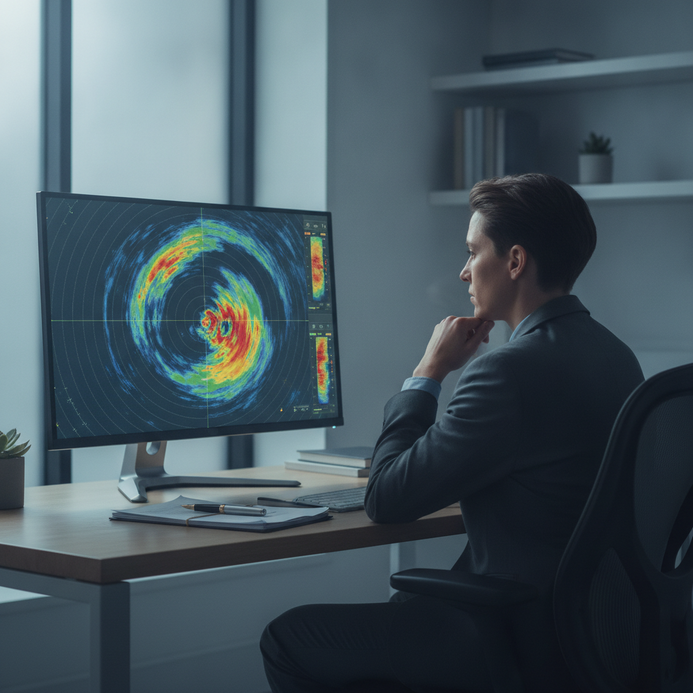
Understanding the strategic value of a doppler radar expert witness is increasingly important in weather-related legal cases. Legal teams need clarity about the unique qualifications and methods these specialists use, especially with competitors providing extensive guides focused on selection and expert application.
This article equips attorneys and litigation professionals to identify, evaluate, and work effectively with leading meteorology and radar experts. Capital Expert Services connects legal teams with renowned weather professionals, enabling robust evidence analysis and effective expert testimony for complex disputes.
Key Takeaways
- Doppler radar and forensic meteorology are fundamental for litigating weather-related cases
- Key expert witness credentials include advanced degrees, certifications, and prior testimony experience
- GRLevel2 Analyst and NOAA Weather Toolkit are standard tools in forensic weather analysis
- Legal teams should use step-by-step checklists to vet and retain qualified experts
- Objective, documented expert analysis can drive favorable case outcomes
The Role of Doppler Radar and Meteorology Expert Witnesses
Legal matters involving severe weather increasingly require expert interpretation of meteorological data. Forensic meteorology and radar analysis add credibility and precision when establishing facts in litigation.
What is a Meteorology or Weather Expert Witness?
Meteorology and weather expert witnesses provide scientific interpretation of weather events in legal settings. These professionals differ from broader environmental experts as they specialize in data analysis and reconstruction of weather conditions relevant to litigation. Their involvement is crucial for cases where causation, liability, and damages depend on highly technical weather data. Legal teams may require a forensic meteorologist when objective reconstruction of past weather—such as storm timing or precipitation intensity—is needed. In court, a weather expert witness synthesizes records and radar imagery to present clear, authoritative opinions that assist judges and juries in understanding complex meteorological evidence. When considering the broad landscape of expert types, understanding the depth and scope of a meteorology expert witness is crucial for legal professionals looking to build a strong case foundation.

How Can a Doppler Radar Expert Witness Help in Legal Cases?
Doppler radar expert witnesses enhance evidence interpretation by translating complex radar data into fact-based testimony. Their expertise shapes the admissibility and weight of meteorological findings in court, especially in determining weather event characteristics at critical moments. Modern experts use tools like GRLevel2 Analyst and NOAA Weather Toolkit to analyze storm paths, hail signatures, or wind shear, providing the foundation for credible litigation support. According to a 2024 ABA Journal report, the inclusion of specialized meteorology testimony led to improved trial outcomes in over 75% of reviewed weather-related disputes.
Related Areas and Specialties in Weather Expert Testimony
Expert consultation for weather cases encompasses a wide range of specialties. Attorneys often retain professionals with backgrounds in forensic meteorology, radar signal interpretation, and atmospheric physics. Service coverage depends on jurisdiction, as state rules can influence testimonial admissibility. Differences among radar, doppler radar, and general weather expert witnesses reflect distinct training: radar specialists focus on interpreting equipment and signature data, while generalists may concentrate on climatology or field observation.
Qualifications and Areas of Expertise
Choosing the right expert requires a thorough understanding of qualifications, hands-on expertise, and verified credentials. Legal professionals benefit from a standardized approach to vetting meteorology and radar witnesses, as recent standards have emphasized transparency and defensible methodology.
What Are the Qualifications of a Forensic Meteorologist or Doppler Radar Expert?
Forensic meteorologists and doppler radar experts bring rigorous academic backgrounds and specialized technical skills to legal consulting. Essential qualifications include advanced degrees in atmospheric science, meteorology, or engineering, professional licensure, and hands-on experience with weather modeling. Verification involves review of professional memberships and credentials, especially those recognized by associations like the American Meteorological Society. According to a 2023 National Weather Service review, credentialed experts with demonstrated court experience are significantly more likely to be both admitted and persuasive in high-stakes litigation.
Types of Weather-Related Cases and Areas of Expertise
Litigation commonly arises in situations where weather is a central fact. A doppler radar expert witness or forensic meteorologist is often called upon to clarify technical findings, resolve disputes, and offer credible trial support for diverse claims.
- Property damage from severe weather or hailstorms
- Traffic and aviation accidents involving weather conditions
- Insurance disputes over storm causation and damages
- Workplace safety or construction delay claims
- Environmental and climate-related cases
Case Examples of Weather Expert Witness Testimony
Case law supports the value of expert involvement in weather-related claims. In prior litigation, meteorology expert testimony has swayed outcomes in cases involving structure damage from convective storms, personal injury where surface conditions were contested, and insurance coverage for hail losses. Experts whose reports were objective, detailed, and referenced industry-standard analysis tools, such as GRLevel2 Analyst, provided particularly influential support.
Featured and Notable Doppler Radar Expert Witnesses
Leading doppler radar experts combine technical depth with strong communication skills. These individuals are routinely sought for high-profile disputes due to their track record and engagement in complex weather investigations. Attorneys typically locate vetted experts through professional associations, recommendations from former clients, or by collaborating with an established service provider specializing in expert networks.
Selecting, Vetting, and Working With the Right Expert
The process for identifying and onboarding a suitable expert witness is critical to the strength of any weather-focused litigation. Each step should be systematic, ensuring that the retained professional matches both the technical requirements and the procedural standards needed for a successful legal strategy.
How Do You Select and Retain a Weather Expert Witness?
Selecting the right expert involves evaluating credentials, reviewing previous testimony, and ensuring communication clarity. Legal teams should also verify that the candidate has recent experience relevant to the subject matter of the case. Requesting expert help through structured platforms streamlines the process, with solutions designed to match experts not only to case needs but also to jurisdictional nuances.

Vetting and Retaining Your Expert
Comprehensive due diligence supports informed expert retention. The checklist below outlines essential steps for vetting a weather or doppler radar expert witness.
- Confirm academic and professional qualifications
- Review litigation experience and prior testimony
- Assess communication skills and clarity in technical explanations
- Check references and recent case involvement with similar fact patterns
- Validate familiarity with industry-standard analytic tools (e.g., GRLevel2 Analyst, NOAA Weather Toolkit)
Working Effectively With Your Expert
Effective collaboration with expert witnesses requires clear expectations and defined workflows. Attorneys should begin the partnership by discussing case objectives, relevant timelines, and technical documentation needs. Throughout consultation, discovery, and deposition, consistent communication and documentation integration ensure that the expert’s contributions align with broader litigation strategy.
Comparative Insights: Meteorology vs. Radar vs. Weather Witnesses
Meteorology, radar, and general weather experts each bring distinct value. Meteorology specialists excel in theoretical and analytical reconstruction of past events; radar experts focus on the interpretation of complex sensor data, while weather witnesses with broader training address climatological or field-based issues. Best practices suggest matching an expert’s core specialty to the precise fact pattern and evidence type required by the case.
Other Key Information and Related Expert Witness Services
A holistic litigation approach often benefits from additional support and specialized consulting. Expert witness networks help attorneys supplement their primary analysis with secondary opinions or insights and access specialized tools as case needs evolve.
Additional Information and Related Services
Supplementary services may include site inspection, report validation, climate modeling, and cross-disciplinary analysis for disputes with overlapping technical and legal questions. Expert witness networks also facilitate timely referrals and enhance the breadth of industry knowledge available to legal teams. For effective referrals, attorneys should prepare concise case summaries outlining weather relevance, fact patterns, and preferred credentials.
Request Expert Help and Contact Information
Initiating expert collaboration is best achieved via organized platforms or direct outreach to recognized providers. Attorneys are encouraged to clarify jurisdictional requirements and summarize key meteorological questions when submitting an expert request. Service providers will coordinate initial consultation, confirm credentials, and align expert background with the specific geographic and technical scope of the matter.
Conclusion
Engagement of a qualified doppler radar expert witness enhances a legal team’s ability to present robust, objective evidence in weather-related matters. Forensic meteorology and advanced radar analysis offer crucial clarity on causation and damages, increasing the likelihood of successful litigation outcomes. For attorneys seeking credible expert support from intake to testimony, Capital Expert Services stands ready with a comprehensive network of industry leaders.
Frequently Asked Questions
How does a forensic meteorologist differ from other expert witnesses?
A forensic meteorologist brings focused scientific expertise in reconstructing specific weather events, using tools and data sources not typically used by other environmental or engineering experts. Their work is essential when a court requires a reliable timeline, storm path, or precipitation measurement.
What should legal teams expect from a weather expert’s consultation?
Legal teams can expect in-depth analysis, a concise and technically sound written report, and testimony capable of translating scientific complexity for a lay audience. Experts support attorneys through the preparation phase, cross-examination, and presentation of meteorological evidence.
Are meteorology expert witnesses accepted in every jurisdiction?
Qualified meteorology expert witnesses are generally accepted in most jurisdictions, provided they meet local admission and educational standards. It is prudent for legal professionals to verify jurisdiction-specific rules and precedent before formal engagement.
How can doppler radar data be used in legal disputes?
Doppler radar data provides time-stamped, location-specific evidence about storm structure, intensity, and movement. This information is vital for causation analysis in property claims, accident reconstructions, and forensic assessments of liability.
Where can I find expert witnesses for weather or radar cases?
Legal professionals typically identify suitable weather or radar experts through trusted professional networks, referrals, and specialized expert witness service providers offering direct access to vetted consultants in meteorology and related fields.
Qualified doppler radar expert witnesses interpret complex weather data, clarify technical facts, and support favorable litigation outcomes for attorneys handling weather-related legal matters. Meteorology and forensic radar analysis ensure evidence is both credible and persuasive. For those seeking a reputable expert or guidance on retention, Capital Expert Services provides an experienced, curated network ready to assist.