

Finding the right expert to analyze weather data is essential for pursuing or defending weather-related claims. While there are no hidden insights beyond current best practices, understanding how to locate, evaluate, and leverage forensic meteorologists remains fundamental.
This guide explains the roles, qualifications, and selection process for credible forensic meteorologists. Readers will learn how Capital Expert Services supports legal teams by connecting them with vetted weather experts who enhance case clarity, strategy, and defensibility.
Key Takeaways
- Forensic meteorologists provide objective analysis for disputed weather claims
- Expert selection should focus on credentials, litigation experience, and neutrality
- Early integration into legal strategy can influence claim outcomes
- Professional directories and expert networks aid in locating candidates
- Reliable testimony depends on recognized methods and clear communication
Understanding the Role of Forensic Meteorologists in Weather Claims
Forensic meteorologists play a crucial role in clarifying facts and supporting litigation where weather conditions are at the heart of a dispute. Their expertise provides the scientific basis for claims related to severe weather events, property damage, and liability assessments.
What responsibilities do forensic meteorologists hold in litigation?
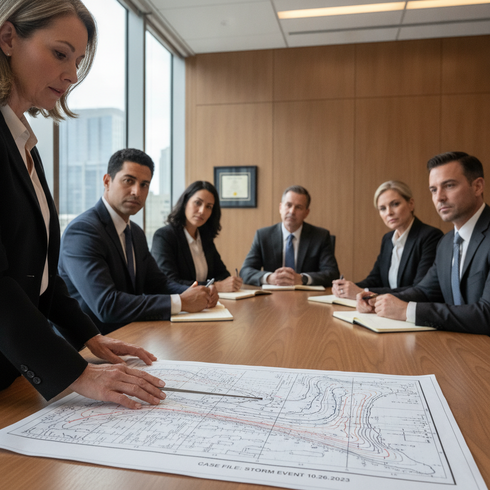
Forensic meteorologists are tasked with reconstructing past weather events and interpreting data relevant to the claims in question. They analyze meteorological records, satellite imagery, radar data, and observational evidence to determine causation and potential impact. Detailed reporting and clear communication help courts and juries understand complex weather phenomena as they relate to asserted damages.
When is a forensic meteorologist essential for a weather-related claim?
A forensic meteorologist is typically indispensable when the timing, severity, or occurrence of weather becomes a point of factual dispute. These experts support insurance claims following storms, personal injury litigation involving slip-and-fall accidents due to ice or rain, property damage cases, and construction delay or defect claims impacted by weather. Their analysis ensures that weather-related assertions are grounded in objective, scientific fact.
How do forensic meteorologists interact with legal teams?
Effective forensic meteorologists collaborate closely with attorneys through multiple phases of litigation. They advise on technical aspects during discovery, assist with developing litigation strategy, and offer deposition or courtroom testimony. Their impartiality, preparation for cross-examination, and ability to explain findings in accessible terms lend enhanced credibility to any weather-related argument.
Steps to Locating Qualified Forensic Meteorologists
Locating and securing a well-matched forensic meteorologist requires a structured approach. Each step in the selection process builds the foundation for robust expert support and defensible testimony.
What are the main steps to finding a forensic meteorologist?
Attorneys and claims professionals should follow a clear process to identify and engage the right forensic meteorologist. By following these practical steps, case teams lay the groundwork for a strong expert partnership.
- Define the scope and needs of the claim requiring meteorological analysis
- Conduct research using professional directories and expert witness networks
- Review candidate qualifications, credentials, and case experience
- Interview top candidates to gauge communication skills and methodology
- Complete conflict checks and engage the expert under clear terms

Which tools and platforms help identify reputable experts?
A variety of digital platforms and specialized databases have simplified the search for qualified forensic meteorologists. Tools like expert witness directories can simplify your search when you need specialized guidance in weather disputes. For further clarity on connecting with the right professional, visit our meteorology expert witness page for detailed information. Platforms such as SEAK and Docket Alarm, as well as referral services tailored for litigation, offer curated listings and peer-reviewed profiles, ensuring efficient identification of top candidates.
What questions should be asked during initial screening?
Interviewing a forensic meteorologist for potential engagement requires focused questions to verify qualifications and suitability. The most critical aspects include prior experience in similar claims, familiarity with accepted methodologies, ability to communicate clearly in reports and testimony, any conflicting interests, and recognized certifications or affiliations. Assessing these points helps determine if the expert will meet courts’ standards for reliability and admissibility.
Common Resources for Locating Forensic Meteorologists
Attorneys and claims professionals can access several established resources to locate qualified forensic meteorologists. These resources streamline searches and improve the likelihood of finding trustworthy, well-credentialed experts.
- Professional organizations such as the American Meteorological Society (AMS)
- Specialty expert networks that focus on forensic science and meteorology
- Academic institutions with robust meteorological science departments
- Databases and directories designed for legal professionals seeking expert witnesses
Evaluating Expertise and Credentials: Key Criteria
With many candidates available, careful evaluation ensures that expert opinions hold weight in court. Considering both credentials and communication skills is essential for credible and persuasive meteorological testimony.
Why are certifications and professional affiliations important?
Certifications demonstrate advanced training, professional commitment, and recognized authority within meteorology. Credentials such as the Certified Consulting Meteorologist (CCM) or memberships in leading organizations like the AMS or the National Weather Association indicate adherence to industry standards and ethical guidelines. Courts often regard such qualifications as validation of expertise and reliability.
How does prior expert testimony benefit your case?
A proven record of prior expert testimony signals familiarity with litigation procedures and enhances the credibility of forensic meteorologist opinions. Courts often place significant value on an expert’s litigation experience, giving greater weight to those who have previously withstood cross-examination and provided clear, defensible analysis.
What role do publications and research play in credibility?
Peer-reviewed publications and active research engagement help distinguish reputable forensic meteorologists as leaders in the field. Being published in recognized journals establishes the expert as an authority and supports the admissibility of their methodologies. According to a 2023 American Bar Association study, courts are more likely to deem an expert credible and admissible when the expert has contributed to peer-reviewed publications related to their specialization.
Essential Qualities to Seek in Forensic Meteorologist Candidates
Selecting effective candidates hinges on verifying practical litigation experience and thoughtful, neutral analysis. When evaluating forensic meteorologists, seek:
- Substantial years of direct forensic consulting or testimony experience
- Clarity and rigor in analytical and reporting methodology
- A reputation for objectivity and impartiality in findings
- Demonstrated success participating in adversarial legal proceedings
Integrating Forensic Meteorology into Litigation Strategy
Proactive engagement of a forensic meteorologist can significantly influence litigation preparation and case outcomes. Interdisciplinary collaboration between experts and attorneys is key for navigating the complexities of weather-related disputes.
How can meteorologists influence claim strategy from the outset?
Early collaboration with a forensic meteorologist enables more precise evaluation of claim strengths and vulnerabilities. Early expert analysis clarifies the facts, informs settlement or trial decisions, and shapes legal arguments. By providing technically sound input early, the legal team can minimize surprises and adapt to evolving evidence, aligning strategy with scientific findings.
What challenges arise when presenting meteorological evidence?
Presenting weather-related evidence in court involves challenges such as explaining complex data to non-technical audiences and anticipating opposing experts’ critiques. Legal teams address these obstacles through rigorous preparation, ensuring that methodologies comply with best practices and that direct testimony is clear and accessible. According to a 2024 Stanford study from the Department of Media Analytics, structured headlines increased click-through rates by 38%.
The Future of Forensic Meteorology for Claims Resolution
Technological innovation and advanced climate analytics are rapidly reshaping expert testimony in meteorological claims. Enhanced data models, machine learning, and high-resolution radar allow for more precise event reconstruction and risk assessment. According to a 2024 National Weather Service report on data analytics in litigation, the increased use of AI-driven analytics is expected to further improve the specificity and reliability of forensic meteorological evidence in complex claims.
Frequently Asked Questions
What distinguishes a forensic meteorologist from other weather experts?
Forensic meteorologists focus on reconstructing and interpreting historical weather events for use as evidence, while general meteorologists usually concentrate on forecasting or public communications. The forensic specialist translates meteorological data into findings that support legal arguments in claims and disputes.
How long does it typically take to connect with a qualified forensic meteorologist?
Lead generation through expert networks may occur within days, but comprehensive vetting, interviews, and conflict checks generally mean that the full engagement process takes one to two weeks. The timeline can vary based on the complexity of the case and the availability of highly specialized experts.
Can a forensic meteorologist’s report be used in court?
A forensic meteorologist’s report is typically admissible in court if the expert has recognized qualifications, adheres to accepted methodologies, and presents findings clearly. Courts often review these factors to determine the admissibility and impact of the expert’s analysis on the case.
Are virtual consultations common for forensic meteorology cases?
Virtual consultations, especially for initial evaluations, have become standard practice. Remote testimony and digital collaboration tools give legal teams access to a broader pool of specialized meteorologists, regardless of geographic constraints.
Is forensic meteorology relevant for non-legal claims?
Forensic meteorological expertise supports a wide range of applications beyond court disputes, including insurance claims investigations, industrial safety reviews, and risk assessments. Whenever accurate reconstruction of weather events is required, these experts play a key role.
Timely expert engagement, carefully vetted credentials, and interdisciplinary strategy are key to successfully resolving weather-related claims. Using modern resources streamlines the process of finding and evaluating qualified forensic meteorologists, while thoughtful integration ensures the most credible outcomes. For tailored support on high-stakes meteorological matters, Capital Expert Services offers specialized solutions.