
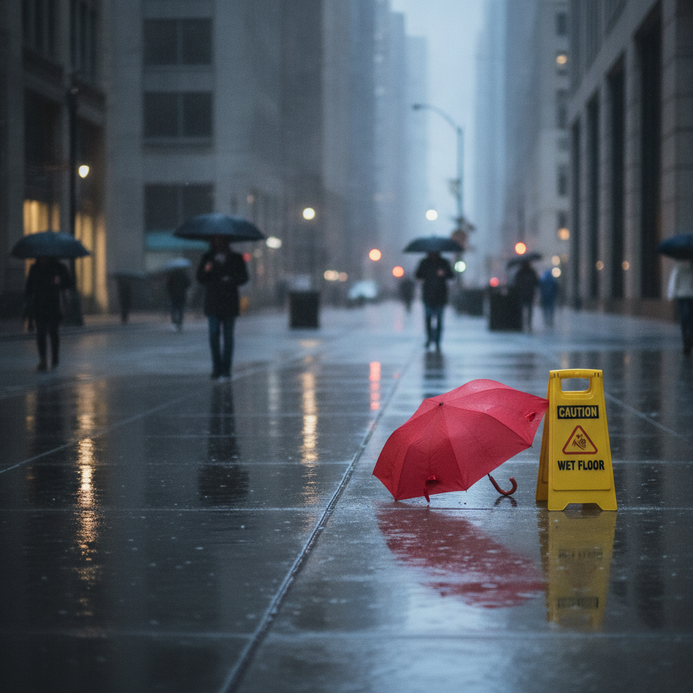
Understanding how weather influences personal injury cases is vital for accident victims who need fair compensation. Unlike other variables, weather conditions complicate liability and evidence requirements, and insurance responses often vary by region and severity. Many people overlook the importance of documenting the environment or knowing what steps best support a claim after a weather-related incident.
Navigating the intersection of personal injury law and adverse weather requires precise legal strategy and timely expert guidance. This article will clarify which weather conditions most frequently impact liability, explain how negligence is proven in such circumstances, and describe the essential steps for building a strong claim. Readers will also see how Capital Expert Services supports effective case strategy and connects clients with the right litigation resources.
Key Takeaways
- Weather often impacts who is liable after an accident or injury
- Slip-and-fall and auto collision cases are frequently influenced by poor conditions
- Prompt evidence gathering can make or break weather-related claims
- Documentation from photos, witnesses, and weather data strengthens fault arguments
- Victims should seek legal help early when weather plays a role in an injury
How Weather Conditions Affect Personal Injury Claims
Adverse weather can change how personal injury claims are evaluated and resolved. Liability, causation, and even the calculation of damages may shift based on environmental factors present at the time of an incident. Knowing how weather affects these elements is crucial for pursuing a successful claim.
How do weather conditions influence personal injury cases?
Personal injury cases involving weather commonly include auto accidents, slip-and-fall events, and incidents related to premises negligence. Weather influences fault by altering what is considered reasonable behavior — driving slowly on icy roads or maintaining sidewalks during snowfall. Extreme or unusual weather, such as flash floods or sudden hail, can make claims more complex due to issues with foreseeability, preparation, and the extent of reasonable care expected from property owners or drivers.
Why do weather conditions matter in personal injury cases?
Insurance companies often argue that weather was an uncontrollable factor, using defenses such as “act of God” or asserting all reasonable measures were taken to prevent harm. Specific legal standards apply when weather is a factor, including heightened duties of care for property owners or operators during known hazardous conditions. Some courts have recently addressed insurer defenses aimed at reducing liability, highlighting that proper maintenance and reasonable precautions are still required even during adverse weather. According to a 2024 ABA Journal article, insurance defenses in weather-related injury cases have become more aggressive, emphasizing the importance of thorough documentation and expert input.
Types of Weather Conditions That Impact Liability
Multiple types of adverse weather create new risks and can shift how premises liability or accident claims are judged. Understanding the most influential conditions helps victims anticipate challenges and collect the right evidence.
What are the most common weather conditions involved in accidents?
Rain, snow, and ice are the most prevalent contributors to slip-and-fall claims and traffic collisions. Fog, wind, sun glare, extreme heat, and high winds or tornadoes also commonly factor into liability assessments. Each of these conditions can create hazardous surfaces, limit visibility, or otherwise raise the standard of care for property managers and drivers. Some regions experience more frequent events, which shapes judicial expectations and claimant strategies.
How do specific weather conditions contribute to personal injury and premises liability?
Weather events change the context in which accidents and injuries occur. Rain increases the risk of slippery surfaces in public areas and on roads, making slip-and-fall and hydroplaning car crashes more likely. Slip-and-fall on snow or ice often hinges on whether property managers attempted reasonable clearing or warning. Fog and sun glare are involved in numerous rear-end and intersection collisions because of limited visibility. Severe wind, tornadoes, or extreme heat may play a role in objects falling, signage detaching, or heatstroke cases — each requiring different analysis of how foreseeability and maintenance apply to liability.
What if the weather was unusual or extreme?
Unusual weather events, such as hail storms or hurricanes, often increase both the number and complexity of personal injury claims. While some jurisdictions consider these events when assessing fault, the legal standards for reasonable care often still apply, though courts may adjust expectations. Damages may include broader categories, such as property loss or extended business interruptions, especially following severe storms. According to a 2025 Weather & Law Review study, litigation spikes following recognized extreme weather events, with claims involving layered insurance policies and detailed expert testimony.
Proving Negligence and Fault in Bad Weather
When bad weather is involved, proving fault takes methodical evidence collection and careful legal application. Multiple forms of independent corroboration are critical for success in court or settlement discussions.
How do you prove liability in weather-related incidents?
Proving liability for weather-related personal injury claims requires more than simply showing an injury occurred during poor conditions. Plaintiffs often need to provide objective evidence of how another’s negligence directly led to harm, rather than weather alone being the cause. Photos of the scene, certified weather reports, and witness statements provide important support. Digital tools like dashcams, smartphone photos, and localized weather tracking apps can all supply useful details about the context and timing of an incident. Expert evaluations of weather and accident circumstances are often essential when establishing liability. Incorporating insights from a qualified meteorology expert witness can help clarify the conditions at the time and substantiate your case with authoritative data.
What steps should be taken after a weather-related accident?
After any weather-related accident, time-sensitive evidence collection is crucial. Victims should document both injuries and site conditions before remediation efforts or further weather changes erase proof. Key documentation includes clear photos of hazards, witness accounts, and time-stamped digital information. Platforms like AccuWeather and NOAA supply historical weather data to verify official conditions, which attorneys may use to confirm or counter claims regarding visibility or ice formation.
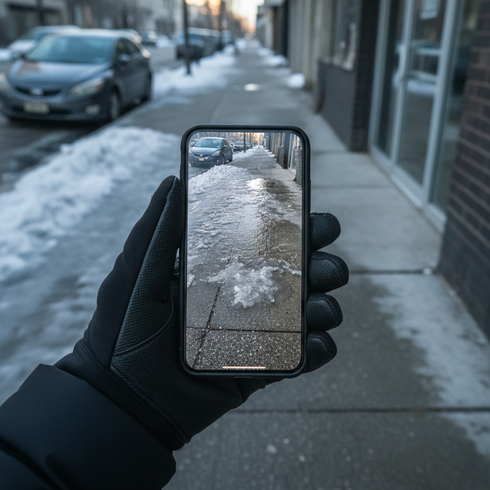
Key evidence to collect for weather-related slip and fall or accident claims
A well-documented claim often makes the difference between a favorable settlement and denied liability. There are several forms of evidence that can be especially useful:
- Photographs or video of the scene and weather conditions
- Weather reports and expert assessments (meteorological data)
- Witness statements detailing circumstances and visibility
- Incident reports or police records
- Digital time stamps from phones or security cameras
Challenges and Strategies: Handling Weather-Related Claims
Not only do adverse weather events create new physical hazards, but they also complicate communications, adversarial responses, and claims management. A focused approach is needed to overcome the barriers imposed by weather complications.
How can weather complicate personal injury claims?
Insurers frequently invoke “act of God” or reasonable care defenses, arguing that some events were unforeseeable or unpreventable. In situations involving serious weather, liability analysis shifts to whether adequate warnings, precautions, or post-event responses occurred. Attorneys must counter arguments that weather itself was solely to blame, requiring careful linkage between negligence and resulting harm. This complexity explains why weather-related incidents often see greater pushback from opposing counsel and insurance teams.
Tips for strengthening your weather-related personal injury case
Given these challenges, certain steps greatly improve the likelihood of fair compensation. Best practices include:
- Gather and preserve all relevant physical evidence immediately
- Consult local weather records using reputable sources
- Seek prompt legal advice, especially in jurisdictions with unpredictable weather
- Maintain detailed records of injuries, expenses, and communications
What damages can be claimed after a weather-related accident?
Damages from weather-related incidents usually cover medical expenses and lost earnings, and pain and suffering may be compensated as well. Courts assess whether conditions led to aggravated injuries or unusual medical outcomes; some also recognize long-term or secondary injuries from delayed care due to weather disruption. Calculating fair damages in weather claims often involves meticulous accounting and expert economic analysis. According to a 2024 University of Chicago Department of Law study, damage calculations in weather-related injury claims are more likely to require specialized economic and actuarial input than standard cases.

When to Contact a Personal Injury Attorney
Because successful navigation of these claims demands targeted expertise and strategic planning, consulting a knowledgeable attorney is especially important for weather-affected accidents. The following sections explain why and how to seek competent legal support.
Do you need a lawyer for a weather-related accident claim?
Legal professionals have specialized experience in evaluating negligence and countering common insurance defenses involving weather complications. Attorneys can also direct clients in gathering critical evidence, enlisting qualified experts, and anticipating challenges. Success often depends on quickly building a strong foundation of fact and law, which is best facilitated by legal counsel familiar with local weather patterns and judicial expectations.
What can Capital Expert Services and attorneys do for your weather-related claim?
Capital Expert Services connects clients with expert witnesses and analysts skilled in reconstructing accident conditions, including meteorologists and engineers. Testimony from these experts can be pivotal, clarifying the sequence of events and supporting claims with objective data. Utilizing a robust expert witness network can substantiate fault, explain technical findings to judges or juries, and bolster a claimant’s position when insurers challenge liability or causation.
How to choose the right attorney for weather-related injuries
Selecting an attorney for weather-related litigation requires attention to credentials, local experience, and prior success in similar matters. Lawyers should have demonstrable expertise in cases involving premises liability and insurance disputes under adverse weather. A strong reputation for organizing and presenting expert evidence is highly beneficial, and experience with the nuances of regional weather patterns can provide a critical edge.
Conclusion
Understanding the impact of weather on personal injury claims empowers individuals to make informed decisions and take prompt, strategic action after an incident. By recognizing different weather hazards, gathering compelling evidence, and seeking timely legal advice, injured parties can protect their rights and maximize their chances of obtaining fair compensation. For effective support, including expert input and case strategy, consult Capital Expert Services.
Frequently Asked Questions
Can I still recover damages if bad weather contributed to my accident?
Yes, recovery is possible even when poor weather is involved. Courts focus on whether another party failed to act with reasonable care appropriate for the conditions, and strong evidence can help secure damages.
What if I was partly at fault due to the weather?
Under comparative fault laws, injury victims may receive compensation reduced by their share of the blame, provided another party’s negligence also contributed. Legal advice helps clarify these nuances.
Are there special steps to take after a slip-and-fall on ice or snow?
Victims should take immediate photographs, collect contact information for witnesses, and report the incident to property managers. Preserving footwear or clothing involved in the incident can further support the claim.
How quickly should I contact a lawyer after a weather-related injury?
Contacting a lawyer as soon as possible preserves crucial evidence and protects against insurance tactics that may aim to minimize liability. Early consultation strengthens the foundation of a potential claim.
Do I need an expert witness for my weather-related personal injury case?
Expert witnesses are commonly required in contested cases, particularly those involving technical weather data or accident reconstruction. Their input often determines whether liability is established and claims succeed.
A clear understanding of weather’s impact on personal injury claims allows victims to take informed, timely action. Effective evidence collection, knowledge of applicable legal standards, and the support of skilled experts are critical to fair outcomes. Capital Expert Services provides needed expertise and helps navigate these complex claims.