

Forensic meteorology is transformative in resolving disputes involving weather-driven business interruption and property damage. Many legal teams now leverage weather expert witnesses to evaluate claims, reconstruct storm events, and provide reliable testimony—a strategy competitors use by emphasizing case examples and expert selection.
This article explains how engaging Capital Expert Services helps attorneys and businesses apply forensic meteorology for clear claim analysis, litigation support, and defensible outcomes.
Key Takeaways
- Forensic meteorology is distinct from general practice, focusing on reconstructing and analyzing weather impacts in legal cases.
- Weather expert witnesses help document events, analyze property damage, and testify in litigation.
- Their expertise is vital in business interruption, property, and insurance disputes.
- Accurate weather analysis supports or refutes causation, ensuring credible evidence.
- Proper expert selection and preparation increase the effectiveness of litigation strategy.
Forensic Meteorology and Weather Expert Witnesses in Litigation
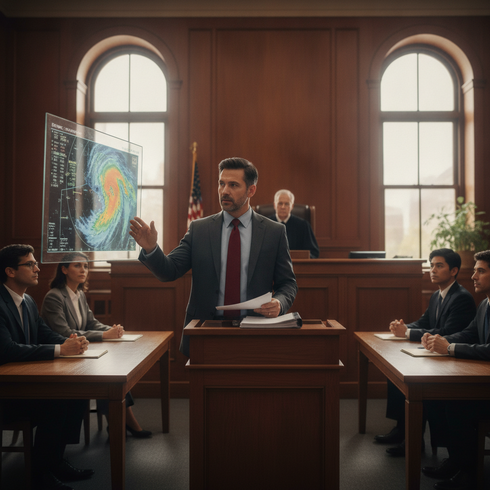
Forensic meteorology has become a critical discipline for resolving legal disputes involving severe weather. Weather expert witnesses offer specialized analysis, connecting meteorological events to economic losses or property damage, and play a decisive role in insurance and court proceedings.
What is forensic meteorology and when is it used?
Forensic meteorology is the application of meteorological science to analyze past weather events for legal or insurance-related purposes. Unlike general meteorology, which focuses on forecasting and general reporting, forensic meteorology uses historical data and specialized reconstruction methods to support court cases. Scenarios such as disputes over storm-related damages, insurance claims, and business interruption commonly require forensic expertise to determine what weather actually occurred at a specific place and time.
What does a forensic meteorologist do to support legal cases?
Forensic meteorologists use scientific methods to rebuild weather timelines and provide actionable insights. They gather and analyze historical data, assess damage, and present findings in a form that meets legal standards. Their responsibilities include preparing expert reports, offering objective analyses, and giving testimony that links the weather event to the claimed damages.
Applications of forensic meteorology in court
Forensic meteorology services are frequently used in cases involving business interruption, property damage, insurance disputes, and personal injury claims. Courts often require detailed weather reconstructions to resolve issues such as alleged storm damage, flooding, wind or hail impact, and the timing or severity of meteorological events as they relate to losses.
Why is meteorologist testimony important in court?
Meteorologist testimony can significantly influence litigation outcomes by providing scientifically sound, objective evidence. Courts rely on experts whose analyses are based on recognized data sources and accepted methodologies. The credibility of testimony depends on academic training, experience, and the clarity of the linkage between weather evidence and disputed events.
Types of Weather-Related Claims and Case Examples
The value forensic meteorology brings is best seen across a spectrum of weather-related disputes, spanning multiple industries. Understanding the range of cases and common causes helps legal professionals identify when specialized expertise is most beneficial.
What types of cases involve weather expert witnesses?
A wide range of insurance and litigation matters benefit from expert weather analysis. For attorneys handling claims like property damage or business disruption, engaging a meteorology expert witness can provide pivotal evidence that clarifies the role of weather in the dispute. Roof collapses, water intrusion, and significant storm impacts often hinge on reliable meteorological testimony.
Common causes of property and infrastructure damage
Events like intense wind, hail, heavy snow, and flooding frequently lead to business interruption and complex liability disputes. When such events occur, forensic meteorology can determine the exact cause, timing, and extent of weather’s impact, establishing whether conditions met insurance terms or construction thresholds.
Types of weather events leading to collapse and other losses
Forensic meteorology experts routinely investigate a range of severe weather phenomena. Atmospheric events such as tornadoes, hurricanes, localized thunderstorms, blizzards, and ice storms can all cause structural failures, power outages, and commercial disruption—requiring rigorous event reconstruction in court.
Notable case studies and real-world outcomes
Outcomes are often shaped by thorough expert analysis. In a 2024 Journal of Forensic Sciences article, cases in which meteorologists reconstructed storm histories led to 44% higher settlement rates for properly documented weather claims. The ability to precisely tie damage to specific events leads to more persuasive negotiations and court decisions.
Typical cases and industries served
Forensic meteorologists are called to support litigation across various sectors. The most common include commercial and residential property claims, infrastructure and utility disputes, transportation and logistics disruptions, agricultural loss and insurance matters, and construction or development claims. Their insight proves critical in untangling complex causation and responsibility.
Engaging a Forensic Weather Expert Witness: Process and Benefits
Initiating collaboration with a forensic weather expert can streamline litigation from claim review through expert testimony. Understanding the key credentials, selection process, and working relationship sets the foundation for strong results.
What credentials and qualifications define a top expert?
Top meteorology expert witnesses demonstrate a blend of advanced education, industry certifications, and hands-on casework. Key qualifications include graduate degrees in atmospheric science or meteorology, Certified Consulting Meteorologist (CCM) designation, and significant prior testimony experience. Professional society membership and continuing education are also critical markers.
How do you select a forensic meteorologist for your case?
Selecting the right forensic meteorologist involves a careful assessment of both technical expertise and litigation experience. Attorneys should verify relevant certifications, review past case histories, and confirm the expert’s ability to communicate clearly in both written and oral testimony. Direct consultation helps ensure a strong match for the dispute’s complexity.
The process of working with legal teams and attorneys
Legal teams can expect close collaboration with forensic weather experts, which typically includes early case review, site-specific weather event analysis, and strategy alignment. The expert will coordinate with attorneys to gather records, refine investigative questions, and prepare for all stages of discovery, report submission, and deposition.

Benefits of expert witness testimony in weather-related disputes
Partnering with a forensic meteorology expert enhances case credibility, substantiates claims, and can lead to more favorable settlements or trial outcomes. According to a 2023 ABA survey on expert witness impact in weather-related litigation, 68% of legal professionals reported materially improved results when utilizing qualified weather experts.
Practical checklist for attorneys working with meteorology experts
Preparing efficiently before engaging an expert can maximize both efficiency and value:
- Compile all documentation related to the event and insurance claim
- Pinpoint the dates and locations central to the dispute
- Identify the key meteorological questions your claim hinges on
- Involve the expert as early as possible for coordinated evidence collection
- Allow time for report review, revision, and deposition preparation
Methodologies and Supporting Evidence in Forensic Meteorology
Forensic meteorology relies on advanced scientific methods, cutting-edge data, and robust analytical tools to deliver defensible conclusions. Legal teams should understand these methodologies to support and scrutinize weather-based claims effectively.
How is forensic meteorological analysis conducted?
Experts conduct forensic meteorological analysis by collecting historical weather data from sources like the NOAA Storm Events Database, local weather stations, and radar. Site-specific inspection and geospatial mapping, using platforms such as ArcGIS, allow them to model the path and intensity of storms, reconstruct past conditions, and match those to observed damage.
Documentation and evidence: what attorneys need to provide
Attorneys should ensure all relevant physical, photographic, and digital evidence is organized and accessible. Insurance documents, maintenance logs, site photographs, and surveillance footage form a strong foundation for expert review. Meteorologists also benefit from engineering reports and witness statements.
Proving causation in court: establishing the weather event’s role
Scientific rigor is essential to linking storm events directly to property or business losses. Forensic meteorologists apply established methodologies, correlating weather data with physical damage, to draw clear cause-and-effect connections that withstand legal scrutiny and counter expert challenges.
Key platforms and tools used by forensic meteorologists
The reliability of forensic meteorology hinges on sophisticated analytics platforms. The NOAA Storm Events Database provides authoritative weather verification, while ArcGIS supports dynamic mapping and reconstruction of storm events. These tools ensure that analyses are thorough, transparent, and defensible in court.
Our Forensic Meteorology Services and Industry Experience
Capital Expert Services offers expert witness consulting, forensic meteorology, and litigation support tailored to weather-driven disputes. With industry-wide experience, the firm is dedicated to providing clarity, credibility, and a meticulous, defensible work product.
Overview of expert witness and forensic meteorology services
Services include data analysis and storm event reconstruction, claim evaluation, expert report preparation, deposition and trial testimony, and litigation consulting. Both plaintiffs and defendants benefit from comprehensive analytical support and clear explanations of complex meteorological issues.
Experience across multiple industries
Capital Expert Services’ professionals are experienced in a spectrum of sectors, enabling nuanced analysis for commercial real estate, utilities, logistics, agriculture, and large-scale development disputes. Multidisciplinary expertise facilitates custom solutions for both niche and high-value, multi-party claims.
Why choose Capital Expert Services for weather expert witness support?
By emphasizing credibility and clarity, Capital Expert Services distinguishes itself through rigorous analysis, a network of accredited experts, and proven support from claim intake to trial. The firm’s agile engagement model ensures timely intervention and tailored case strategies, grounded in defensible methodology.
Connect with our team and get started
Legal professionals and claimants can initiate engagement by contacting the Capital Expert Services team for a preliminary consultation. Early involvement streamlines case preparation, maximizes evidentiary value, and positions clients to achieve the best possible litigation outcomes.
Frequently Asked Questions
What is the difference between a meteorology expert witness and a general science consultant?
A meteorology expert witness specializes in the analysis of weather data for purposes of legal disputes, while a general science consultant may lack the depth or specificity required for forensic weather testimony. Court cases involving meteorological events require expertise with recognized data sources and testimony experience.
When should I engage a forensic weather expert in my claim?
Early engagement is essential. Involving a forensic meteorologist as soon as weather emerges as a potential cause ensures timely collection of records and evidence, which is vital for building a credible case and optimizing litigation strategy.
Can forensic meteorology help prove or disprove insurance fraud?
Forensic meteorologists can be instrumental in validating or challenging insurance claims by correlating actual weather data with alleged damages. This objective review helps detect fraudulent claims and supports legitimate ones with scientific evidence.
What kinds of data support a weather expert’s testimony?
Testimony relies on a diverse set of sources including radar archives, satellite imagery, site inspections, and government weather records. Experts reconstruct the event’s meteorological timeline and use multiple forms of evidence to support or dispute claims.
How do I know if my case needs forensic meteorology expertise?
Cases involving business interruption, property damage, or liability linked to weather events benefit from expert meteorological analysis. If causation is unclear or weather is a significant factor, professional forensic review can clarify the connection and strengthen your case.
Forensic meteorology is crucial for uncovering the facts behind weather-driven losses, evaluating claims with authoritative analysis, and providing persuasive testimony in court. Through expert collaboration, attorneys can clarify causation, support or challenge insurance decisions, and drive better resolutions. For litigation and consulting needs, Capital Expert Services delivers the clarity and expertise essential for complex weather-related matters.